


The Vatican is investigating more than 100 religious institutes and congregations following allegations of structural abuse of power, spiritual manipulation, and sexual misconduct.
Case files have accumulated across three Holy See departments, with the Dicastery for Consecrated Life currently examining dozens of male and female founders of relatively recent religious orders.
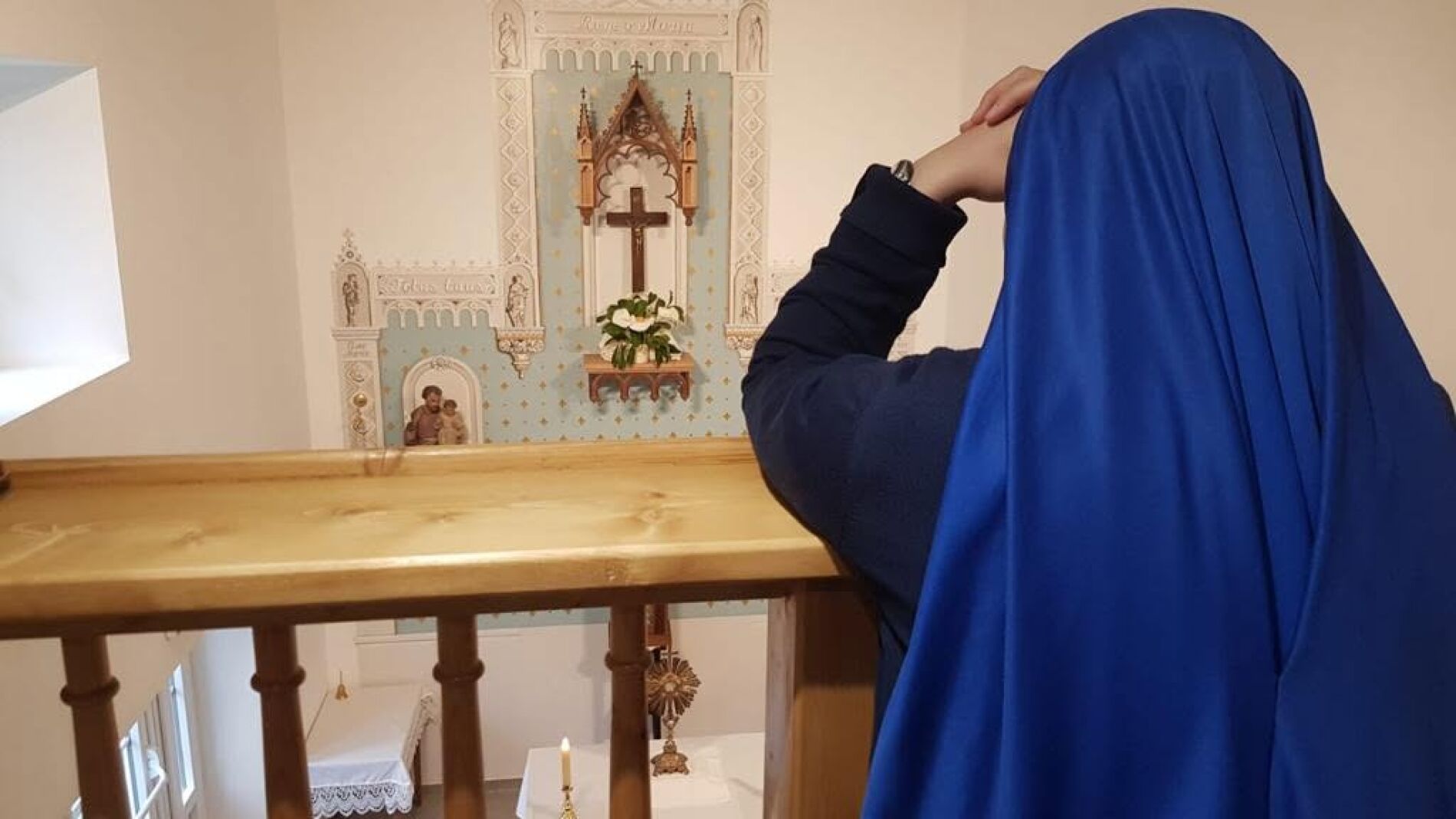
Complaints involving economic irregularities, spiritual coercion, and sexual misconduct reach Rome through three major Vatican ministries: the Dicastery for the Doctrine of the Faith, the Dicastery for Institutes of Consecrated Life and Societies of Apostolic Life, and the Dicastery for the Laity, Family and Life.
An official involved in combating abuses said that following past pedophilia scandals, the major issue currently facing the Church involves adult-on-adult abuse. She described the pattern as a structural plague with sectarian elements that extends far beyond individual authoritarian superiors, noting that the overall system has become corrupt rather than a few isolated cases.
Emergence of conservative movements
Vatican analysts noted that many of the targeted groups emerged in response to reforms following the Second Vatican Council, the landmark 1960s council that modernized Roman Catholic worship and pastoral work. While traditional 19th-century orders adapted by adopting secular clothing and emphasizing social ministry, conservative groups formed with a focus on preserving traditional doctrine.
These groups are easily recognized by their traditional attire, strict liturgical focus, and hierarchical structures that enforce absolute obedience. Vatican officials initially welcomed their rapid growth during a period of declining vocations in Western nations.
However, investigators later uncovered methods of systematic manipulation. A Vatican expert noted that leaders used strict external discipline to offer reassurance to followers seeking stability in a changing society, while manipulating young recruits and adult converts who placed total authority in their leadership.
Interventions and papal supervision
To address the allegations, the Holy See has placed numerous groups under papal trusteeship, appointing external bishops or religious figures to assume temporary governance and attempt reform.
The Pope faces a fundamental decision between refounding a group or dissolving it entirely. If the Holy See determines that a genuine spiritual gift or charism exists despite abuses, reform is attempted. If an organization is found to have originated from false messianism, financial motives, or ideological goals, it is shut down.
Refounding was attempted with Regnum Christi, despite the double life of its ousted founder Marcial Maciel. After a process involving recognition of past harm and structural reform, Rome approved updated statutes for the Legionaries of Christ and Regnum Christi in December 2024, officially ending Vatican supervision.
Dissolution of corrupt institutions
In contrast, the Holy See took drastic action against the Sodalitium of Christian Life, founded in Peru in 1971 by Luis Fernando Figari. The movement had expanded across 25 countries and was accused of attempting to create a counterpart to the Spanish Falange under a religious umbrella, including the Servants of the Plan of God.
Following allegations of severe abuse and the embezzlement of 1 billion euros, Pope Francis suppressed the entire organization before his death. He appointed Catalan priest Jordi Bertomeu as apostolic commissioner to dismantle the group and manage victim compensation. The situation was previously denounced by Leo XIV during his tenure as a bishop in Peru.
In Madrid, Archbishop José Cobo decreed the dissolution of the Daughters of Merciful Love, known as HAM, at the end of July. Founded in 1983, the group faced a Tribunal of the Rota report exceeding 1,000 pages that detailed unauthorized exorcisms, vocational control, and leader idolatry. Despite over 100 young consecrated women in its ranks and persistent denials from leadership, Cobo ended a year-long attempt at reform.
Vatican officials at the Dicastery for Consecrated Life confirmed that HAM is not the only Spanish group under scrutiny, noting that two other prominent Spanish-origin institutes remain under investigation due to serious public allegations.
Longstanding international investigations
Other international investigations have dragged on for years. The Heralds of the Gospel, known for wearing attire reminiscent of medieval knights, operates in roughly 78 countries with an estimated network of 10 million followers, including priests and laity.
Pope Francis ordered an intervention in 2019 after inquiries revealed problems in governance, pastoral care, and financial management. Amid ongoing canonical disputes, Brazilian Cardinal Raymundo Damasceno served as commissioner until his resignation in 2025 following a final report, leaving the case unresolved.
Similarly, the Religious Family of the Incarnate Word, founded in Argentina in 1984, remains under intervention. The group encompasses over 3,000 members across 45 countries within the Institute of the Incarnate Word, the Servants of the Lord and the Virgin of Matará, and the Secular Third Order.
The Holy See first intervened 11 years after its founding following allegations of sexual abuse against its founder. Cardinal Santos Abril, appointed commissioner in 2019, prohibited new foundations and reported resistance from members who continued to venerate their deceased founder as a saint despite proven assaults.
Five months before his death, Pope Francis named Jesuit Sister Clara Echarte and Bishop of Málaga José Antonio Satué as pontifical delegates with full authority. Recently, Satué ordered a major overhaul of the male branch, placing 8 out of 10 leadership positions under members of external orders including the Salesians, Capuchins, and Passionists.


