

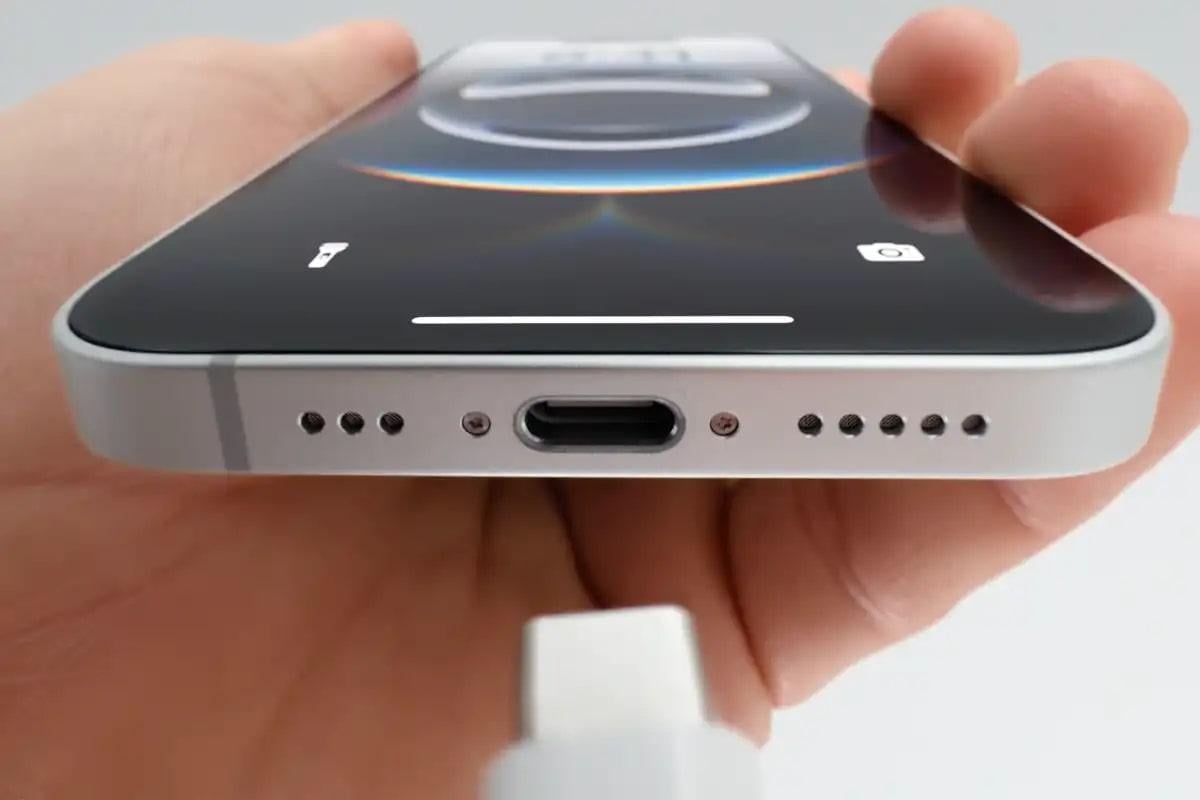
Smartphones equipped with USB-C ports can perform eight major functions beyond standard battery charging, according to tech publication Engadget.
The universal connector has replaced fragmented interfaces like microUSB and Apple Lightning across most mobile devices in 2026, turning handsets into versatile computing hubs.
While users primarily rely on the port to recharge their devices, the interface allows smartphones to transfer data, transmit video signals and output electrical power.
Power sharing and external storage
Among the key capabilities highlighted by Engadget is reverse charging, which enables a USB-C smartphone to supply power to secondary accessories. Connecting another mobile phone, wireless headphones or a smartwatch with a compatible cable allows users to deliver emergency power when an outlet is unavailable.
The connector also simplifies file management through external storage devices. Flash drives increasingly feature native USB-C connectors or dual USB-C and USB-A plugs, allowing seamless file transfers between smartphones and older desktop computers. Photographers and videographers working with large media files can also connect USB-C card readers that support SD and microSD formats simultaneously to transfer photos and video directly to a handset.
Workstations, displays and audio gear
A USB-C port can also transform a mobile device into a portable workstation. Connecting a wired keyboard enables users to type documents and manage work tasks on a compact setup.
For larger workflows, external displays can expand smartphone screen space for editing documents, watching video content or playing games. A single monitor connects using a USB-C to HDMI adapter, while multi-device setups require a powered USB-C hub with extra ports.
Content creators can use the port to improve sound quality during video recording. Plugging an external microphone into the USB-C port provides clearer audio than built-in microphones, with hardware options ranging from simple consumer models to professional equipment. Users who prefer wired headphones can plug in native USB-C headsets or connect legacy 3.5 mm headphones using a specialized adapter.
Gaming setups and medical equipment
For mobile gaming, wired controllers connected via USB-C offer lower input latency than wireless Bluetooth connections. Dedicated mobile gamepads can clip directly onto the sides of a handset, converting it into a handheld gaming system similar to a Valve Steam Deck or Nintendo Switch.
The port also supports specialized hardware for technical and medical applications. Technicians can attach flexible endoscopic cameras to inspect tight or hard-to-reach spaces, while healthcare workers in remote regions can plug in portable ultrasound systems. Although portable scanners cannot fully replace traditional hospital machinery, they provide crucial diagnostic options in areas with limited technical infrastructure.
Charging cable standards and device speeds
Despite USB-C becoming the standard connector across gadgets in 2026, experts warn that physical compatibility does not guarantee fast charging. Cable capabilities vary significantly, meaning users must check whether a specific USB-C cable supports fast charging protocols.
In previous benchmark tests evaluating charging speeds across 33 popular smartphones, experts found that the iPhone 17 Pro unexpectedly recorded the top overall results.


