

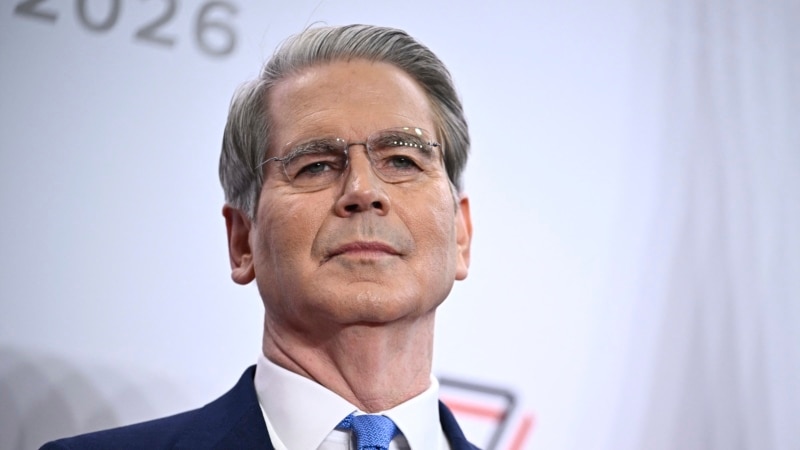
The United States on September 29 imposed sanctions on 10 individuals and companies accused of helping Iran purchase weapons and dual-use equipment components.
According to the US Department of the Treasury, the newly sanctioned targets operate across China, Hong Kong and Pakistan. The measures form part of President Donald Trump's broader economic strategy to isolate Iran and pressure Tehran into negotiations to end the military conflict between the two nations that began in February.
US Treasury Secretary Scott Bessent said the department would not tolerate any support for the regime and would continue to identify, expose and isolate those facilitating Tehran. The Treasury added that the restrictions aim to weaken Iran's capability to rebuild its weapons systems while increasing financial costs for third parties supporting its military procurement networks.
Iranian Arms Procurement Networks Targeted
Among those designated is Seyyed Asghar Alizadeh Tabatabaei, a Beijing-based representative of Iran's Ministry of Defense and Armed Forces Logistics. US officials accused Tabatabaei of coordinating the procurement of complete weapons systems and dual-use hardware from suppliers in China. Iran's defense ministry oversees state military manufacturing and international defense logistics.
The Treasury also sanctioned Kavoshcom Asia R and D Group, an Iranian firm accused of procuring electronic components, including specialised connectors, for the Iran Aircraft Manufacturing Industrial Company. Hong Kong firm EC Mojo Technology Co Limited and its representative in China, Li Feng, were cited for supplying electronics to support Kavoshcom's purchasing operations.
Pakistani national Waseem Pasha Tajammal was included in the sanctions list as head of Cavalier Group, a private defense contracting firm operating in Pakistan and abroad. Private defense suppliers in the region frequently deal in tactical equipment and military hardware. Iranian officials have not publicly commented on the latest sanctions.
Broader Economic Pressure and Aviation Restrictions
The financial penalties follow actions taken on September 8, when Washington imposed sanctions on all remaining commercial airlines operating in Iran. That measure was designed to intensify pressure on Iran's aviation sector as part of a broader initiative to sever the Islamic Republic from international trade and global financial networks.
The economic actions coincide with diplomatic developments. President Donald Trump told reporters on September 28 that American officials had held discussions with intermediaries seeking an end to the war. Trump stated that the United States would win the conflict very soon, one way or another, and predicted the war would conclude quickly.
Strait of Hormuz and Negotiation Demands
Iranian Foreign Minister Abbas Araghchi confirmed that Tehran presented a proposal for a peaceful resolution through diplomatic intermediaries. However, Araghchi insisted that conditions established by Iran's supreme leader must be satisfied before the strategically vital Strait of Hormuz can be reopened to shipping. Iranian state media reported that Araghchi expected to receive a final response through Qatari mediators on September 29. Qatar regularly serves as a diplomatic bridge between Western powers and regional governments.
In a statement released by his office, Supreme Leader Mojtaba Khamenei maintained that Iran must retain control over the maritime corridor. Khamenei, who has not been seen in public since his election to office in March, stated that Iran would not permit itself to be forced back into an era desired by its enemies. The Strait of Hormuz serves as a vital shipping passage connecting Persian Gulf oil exporters to global energy markets.


