


The Supreme Court of the United States authorized the administration of President Donald Trump on Tuesday to temporarily reactivate its policy of deporting certain migrants to third countries.
The decision by the top court leaves in suspense previous rulings from lower courts that required officials to inform migrants about which country they would be sent to before deportation.
Those lower court orders had also mandated that authorities provide migrants with the opportunity to challenge their transfer prior to their expulsion from the country.
The federal government has justified the third-country removal measure as necessary to deport individuals with criminal records.
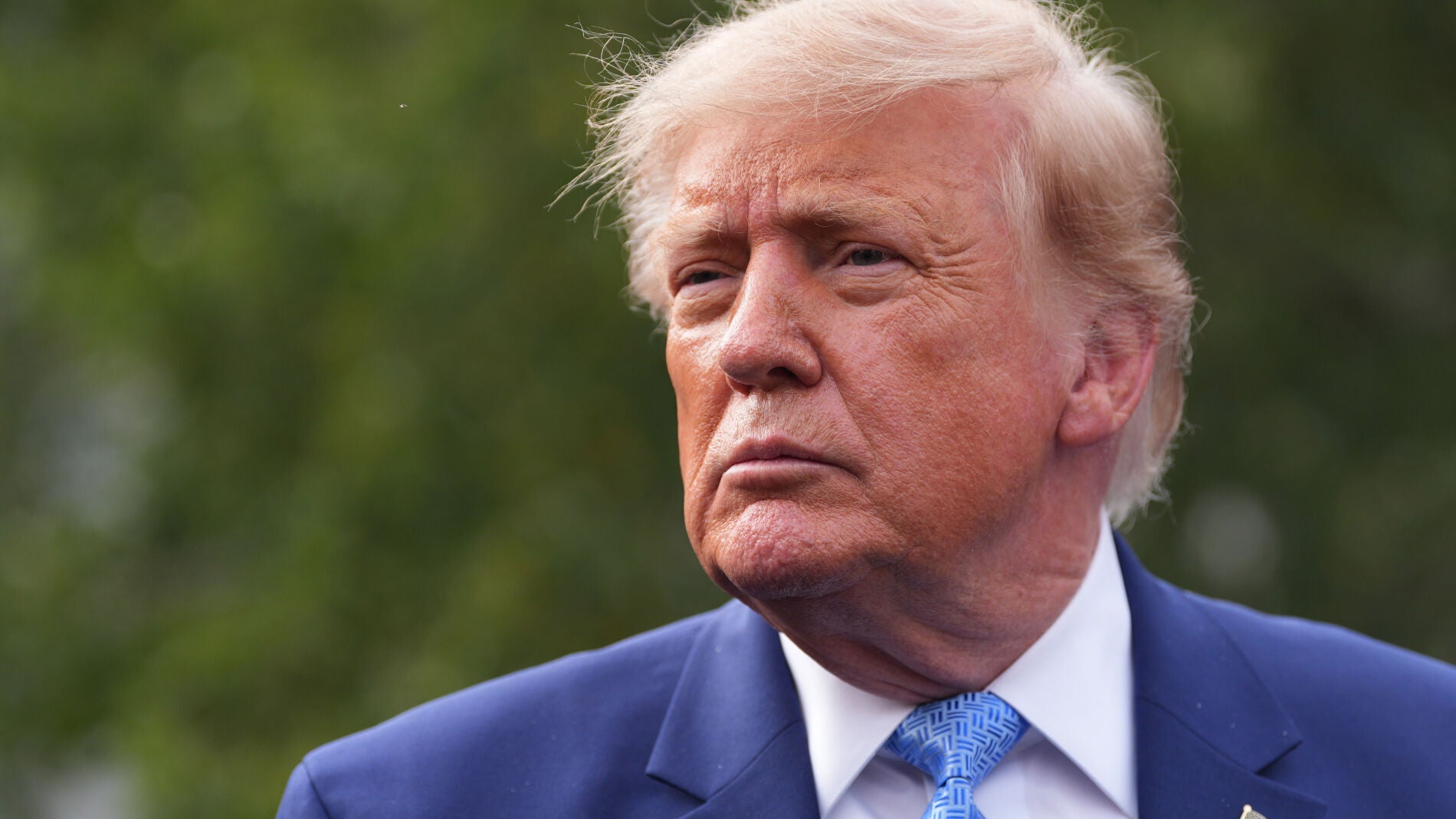
Lower court rulings paused
The Supreme Court of the United States is the legal system's highest tribunal, holding ultimate appellate authority over federal law and executive actions. When emergency applications involving administration directives reach the court, the justices may issue interim orders to suspend or reinstate federal policies while legal challenges make their way through the judiciary.
Third-country deportation policies allow immigration authorities to send non-citizens to a willing third country rather than returning them to their home nation. Such removal measures generally require diplomatic arrangements between governments to govern the reception and legal processing of deported individuals.
Federal authority and legal process
In the federal judicial system, district courts and circuit courts of appeals conduct judicial review of executive policies to ensure compliance with statutory due process rights. Lower courts frequently grant preliminary injunctions when lawsuits contend that federal agencies have failed to provide required administrative notices or rights of appeal.
Federal immigration laws grant executive branch agencies broad power to enforce removal directives against foreign nationals who have criminal convictions. However, legal disputes surrounding deportation procedures regularly examine whether statutory provisions require individual hearings and notification prior to transfer.
Next steps in the Supreme Court
Following its order permitting the Trump administration to resume third-country deportations on a temporary basis, the Supreme Court has scheduled new hearings to examine the case.
The upcoming proceedings will allow the justices to hear full legal arguments from both sides before determining whether the third-country deportation policy complies with federal statutory standards.


