
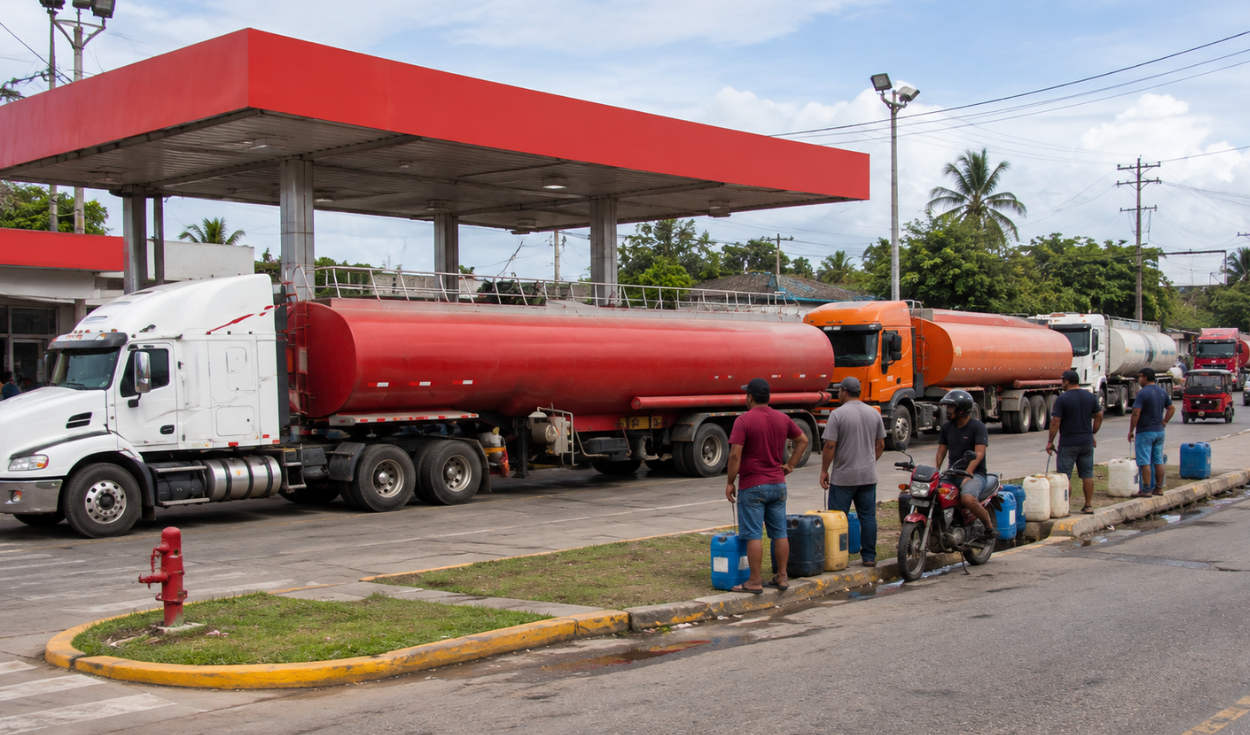
The Ministry of Energy and Mines declared a fuel supply emergency in Peru's Ucayali region after reserves fell to between 1.5 and three days of consumption.
Inventories in Pucallpa and surrounding areas reached critical lows, creating supply difficulties and upward price pressure for transport operators and local residents.
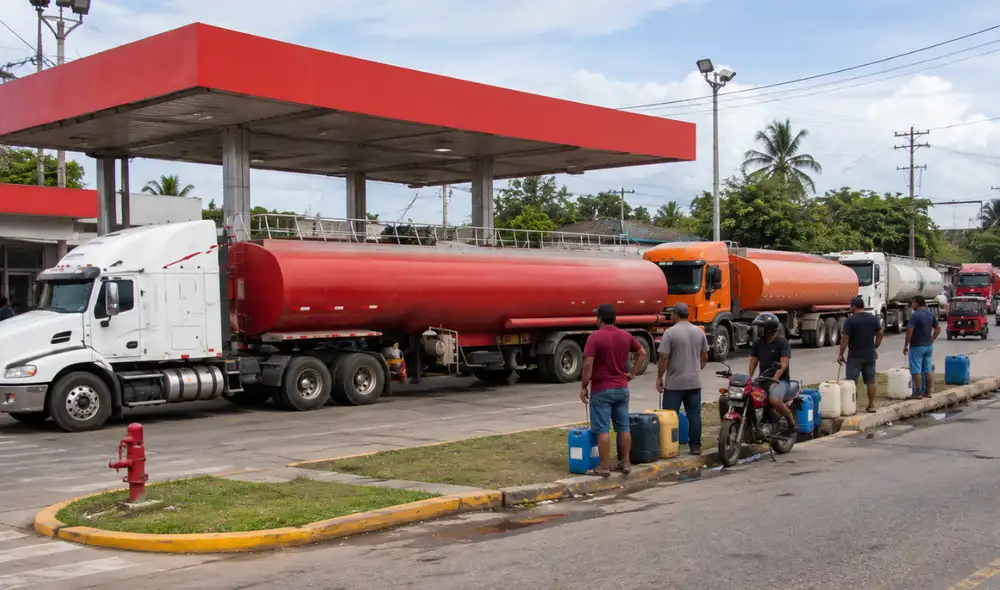
Under the decree published on August 15, 2026, emergency measures will remain in place for up to one year to stabilize fuel distribution in the eastern Amazonian territory.
The ministry recognized that low inventory levels encouraged episodes of price speculation. The declaration allows officials to evaluate temporarily repurposing storage tanks currently used for other activities to hold hydrocarbons, primarily diesel 2.
Authorities aim to increase Ucayali's fuel reserves to about seven days of consumption. Officials hope an expanded buffer will absorb transport delays and prevent logistical disruptions from rapidly reaching retail consumers.
Causes of storage vulnerability
Ucayali relies heavily on fuel shipped from other parts of Peru. Overland supply lines connecting to Pucallpa, the regional capital, face frequent threats from highway blockades, traffic accidents, landslides, mudslides, and social conflicts.
When tanker truck deliveries stop, limited local storage leaves little room to absorb the delay. Problems begin before service stations run dry, starting as reserves drop and replenishment fails to keep pace.
Peru's energy regulator, the Supervisory Agency for Investment in Energy and Mining, warned earlier this year that limited storage capacity and rising demand threaten supply security. The agency continues to monitor local fuel autonomy and inventory levels.
Economic impact and price pressure
Low reserves also create upward pressure on fuel prices. The ministry stated that low inventories in Pucallpa and nearby districts generated supply bottlenecks and encouraged speculative pricing by distributors.
In Ucayali, overland and river transport are critical for connecting isolated towns and moving essential goods. Sustained fuel price increases raise transport overheads, which are eventually passed to consumers through higher prices for goods and services.
Officials emphasized that the emergency declaration addresses structural supply risks and does not mean every service station is empty. The primary goal is building reserves to seven days before another disruption occurs, as national fuel availability does not guarantee regional supply security for isolated inland areas.