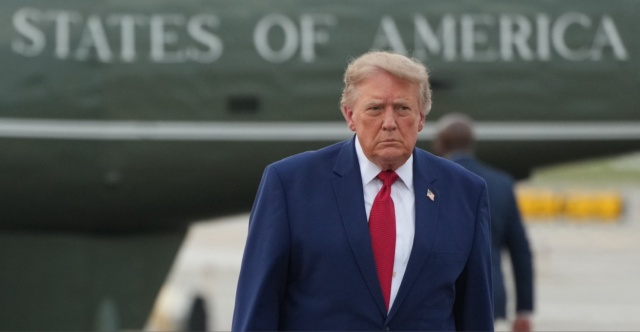
US President Donald Trump stated on Friday that Iran is not ready to conclude a suitable agreement with Washington, while claiming that American forces maintain complete control over the region surrounding the Strait of Hormuz.
Speaking to reporters, Trump said the United States controls the entire area connected to the strategic waterway, including surrounding land zones. He added that although Iranian leadership would like to negotiate a settlement, Tehran has not shown readiness to accept what he described as the right deal, while noting that Washington is monitoring ongoing developments closely.
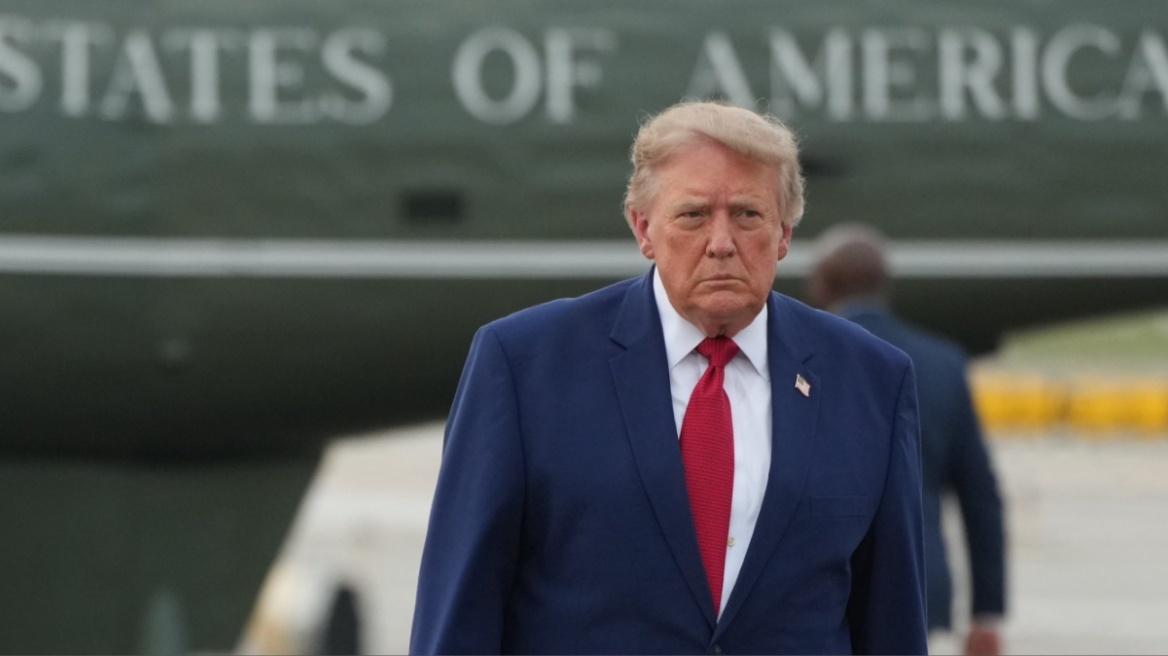
Trump also painted a severe picture of Iran's internal economic standing, asserting that the nation has no money and faces an annual inflation rate of 350 percent. He further claimed that financial hardship has left authorities in Tehran struggling to meet payroll obligations for both military personnel and police forces.

Control of the Waterway
The Strait of Hormuz is a narrow maritime passage between the Persian Gulf and the Gulf of Oman, serving as one of the world's most critical oil transit chokepoints. A substantial portion of global petroleum exports moves through the waterway daily, making its security vital to international energy markets and regional geopolitical stability.
Tensions between Washington and Tehran have long centered on economic sanctions, regional security, and maritime movement near the Arabian Peninsula. The United States has frequently deployed naval assets to the region to safeguard commercial shipping lanes and maintain strategic leverage against Iranian security forces.

Economic Pressure and Sanctions
Iran's economy has faced severe strain in recent years under extensive international sanctions that restricted crude oil exports and isolated its banking sector from global financial networks. Rapid currency depreciation and rising consumer prices have persistently impacted domestic living costs and state budgets across the country.


Washington continues to observe regional developments and monitor economic and military activity around the waterway, as US officials maintain pressure on Tehran to negotiate updated terms.