Spain's national electricity system is preparing for the first total solar eclipse visible in the country in more than a century, drawing on experience from similar astronomical events that, while less intense, have been managed in coordination with other European operators.
Sector sources told the EFE news agency that Wednesday's event should not cause significant changes to the electricity supply, since operating the system is "relatively simple" when such episodes are forecast well in advance. Héctor de Lama, technical director of the Spanish Photovoltaic Union (UNEF), said this advance notice allows operators to plan the backup generation needed, meaning Red Eléctrica, the system operator, already factors these scenarios into its planning.
The sector points back to Friday, March 20, 2015, when a solar eclipse was total only over the Faroe Islands and Norway's Svalbard archipelago, and partial across the rest of Europe, North Africa and North Asia. Europe's high-voltage transmission network, which requires constant balance, had to absorb the rapid loss and reintegration of 35 gigawatts (GW) of solar energy, equivalent to eighty conventional power plants. That eclipse ran from 9:00 to 12:00 peninsular time, a period of rising photovoltaic output.
Evening timing limits impact
De Lama said this summer's eclipse will have a limited impact because it happens in the late afternoon, during a period of low solar radiation, and passes over areas of Spain with relatively little installed photovoltaic capacity.
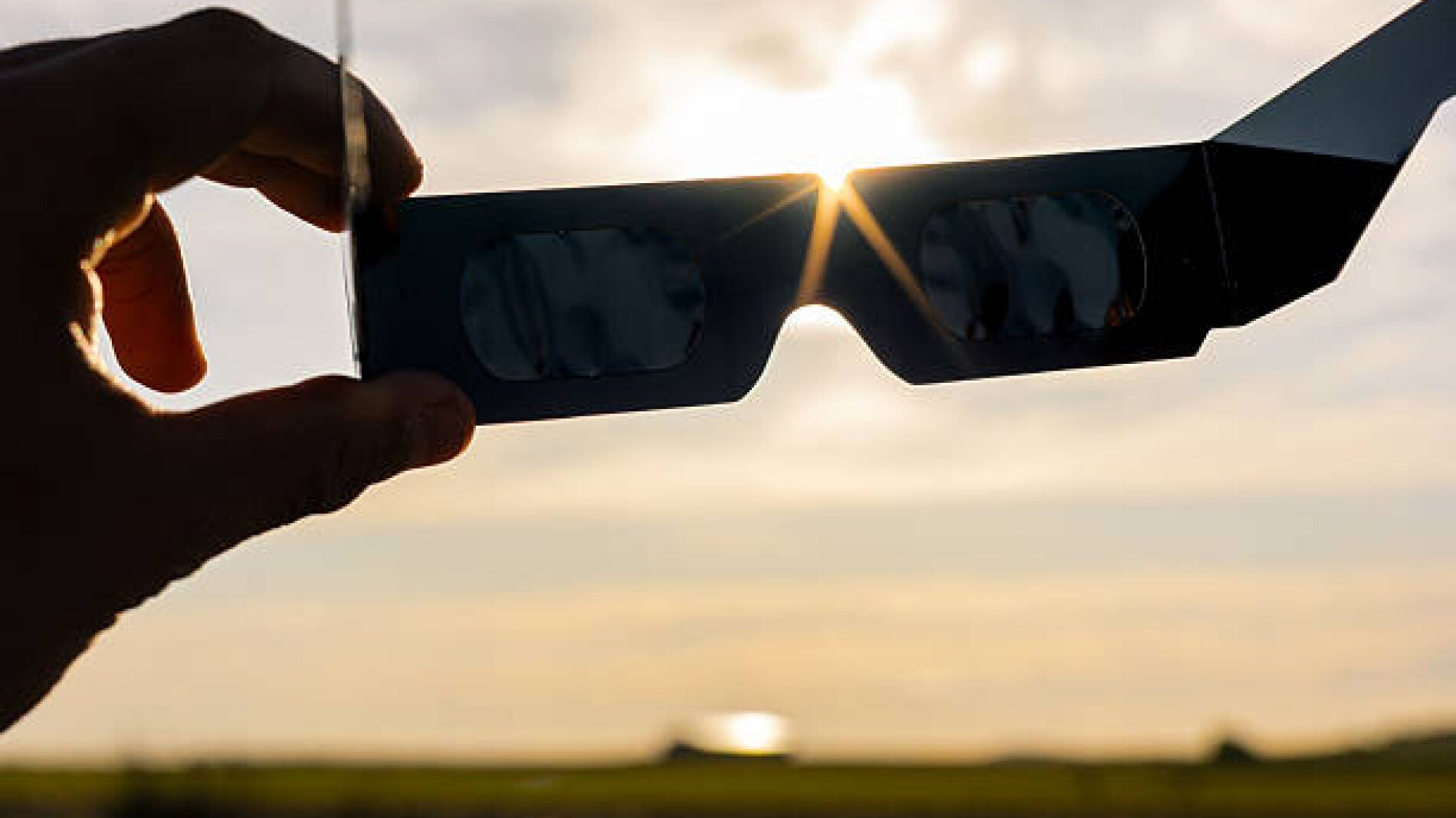
According to Spain's National Astronomical Observatory (OAN), the eclipse will begin at 17:34 peninsular time over the Bering Sea and end at 21:58 over the Atlantic Ocean, lasting a total of 264 minutes, just under four and a half hours. Galicia will be the first place in Spain to see it: in A Coruña, it starts at 19:31, reaches its maximum at 20:28 and ends at 21:22. The Balearic Islands will be the last; in Palma, the eclipse begins at 19:38 and peaks at 20:32.
At those hours the sun sits very low and photovoltaic output naturally declines, so the eclipse's effect on generation will be smaller than if it occurred in the middle of the day, when solar contribution peaks, according to energy company Endesa's blog. Red Eléctrica expects peninsular solar generation to fall by 5 GW, though the figure could vary depending on weather conditions. Under clear skies, estimates for the drop across Europe as a whole reach up to 9.7 GW.
Coordination between grid operators
Operators are also looking to the 2015 precedent, when Europe's transmission system operators (TSOs) took a regional approach to manage swings in photovoltaic generation and demand. TSOs doubled staffing in their control rooms and stayed in continuous contact to sharpen coordination and cut reaction times, and supply across Europe remained fully guaranteed that day.
Red Eléctrica said there will again be European cooperation on August 12, including preventive steps such as increasing standard reserves and safety margins along with constant monitoring of the eclipse. Endesa said the eclipse poses no risk because months of weather and generation forecasting, advanced algorithms, coordination between government ministries and European cooperation allow it to be managed with the same reliability the grid uses to compensate for sunset every night.
As a result, end consumers should not notice any change, since the system draws the energy it needs from other available generation sources, just as it does every evening. That gap is typically filled by combined-cycle plants, which provide backup during periods of high demand or low renewable output. Because these plants run on gas, electricity costs tend to rise during the hours they operate, generally later in the day. The sector is advising households with solar panels and batteries for self-consumption to store as much energy as possible in the morning so they can keep using their own power during the minutes of lowest production.