TERNA chief executive Christos Panagiotopoulos yesterday warned that Greece faces an annual infrastructure funding gap of up to 8 billion euros following the conclusion of the European Union Recovery Fund.
Speaking at the 9th Infrastructure and Transport Conference ITC 2026, Panagiotopoulos warned that the next cycle of construction projects will face an annual financing deficit of 6 billion to 8 billion euros. He stated that Greece cannot rely solely on the state budget and EU funds to cover its growing infrastructure demands.
TERNA is the construction subsidiary of GEK TERNA Group, one of the largest infrastructure and industrial conglomerates in Greece. The company's warning comes as Greece prepares for the completion of disbursements under the EU Recovery and Resilience Facility, which has provided substantial funding for post-pandemic development projects.
Panagiotopoulos argued that the next phase of development requires greater mobilization of private capital. He called for increased utilization of public-private partnerships, commercial concessions, and projects financed entirely by private investors to sustain national construction activity.
Sector workload and ongoing projects
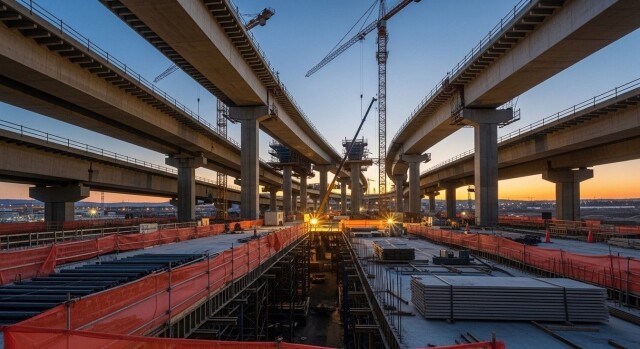
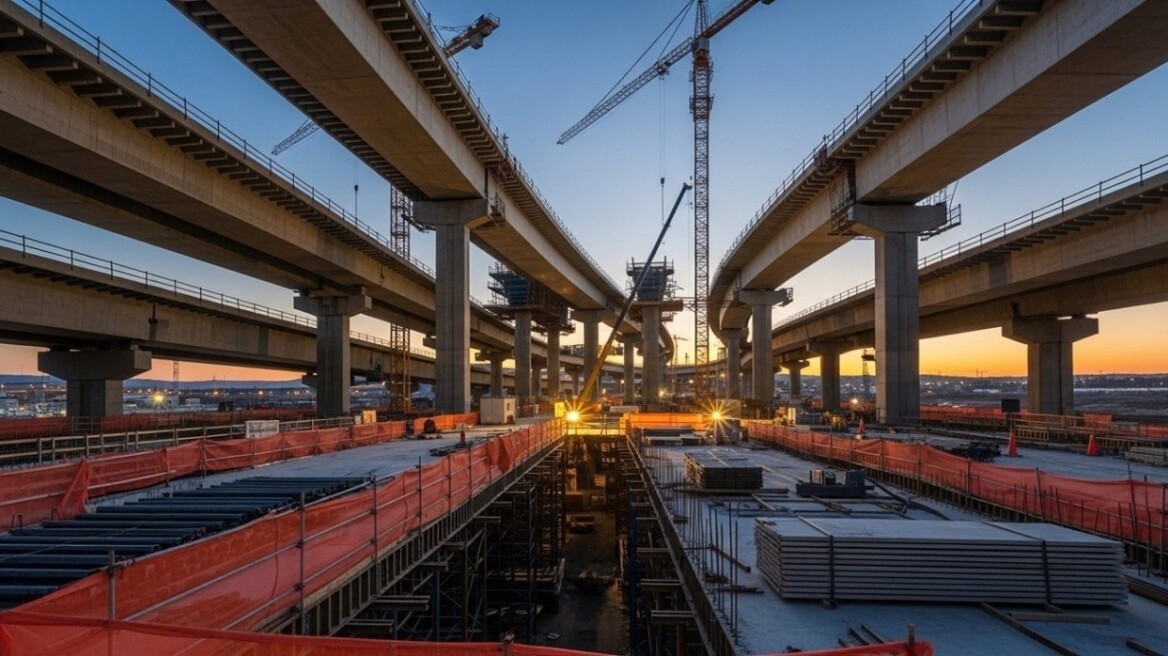
The warning comes during a period of high activity across the Greek construction sector. The infrastructure programme currently under execution and scheduled for implementation is valued at approximately 10 billion euros, with high workload levels expected to continue through the 2026 to 2030 period.
Active and planned contracts span major investments in railway networks, road construction, water supply management, telecommunications, and energy infrastructure. Panagiotopoulos noted that construction companies are currently executing large-scale contracts featuring high technical complexity at the same time.
The financing concerns reflect broader anxieties across the industry. Greece's four major technical companies have also sounded an alarm over rising project costs, which threaten contract execution and future planning.
Public versus private investment gap
Panagiotopoulos highlighted a clear disparity between public and private investment levels in Greece. While public investment in infrastructure has successfully risen to match the European Union average, private investment lags behind the EU average by 4 to 5 percentage points.
According to TERNA, closing this private investment gap is critical to preventing a drop in construction output once Recovery Fund funding ends. Panagiotopoulos emphasized that the primary challenge for industry leaders is not merely executing current contracts, but building a stable pipeline of mature, fully financed projects for the coming years.