

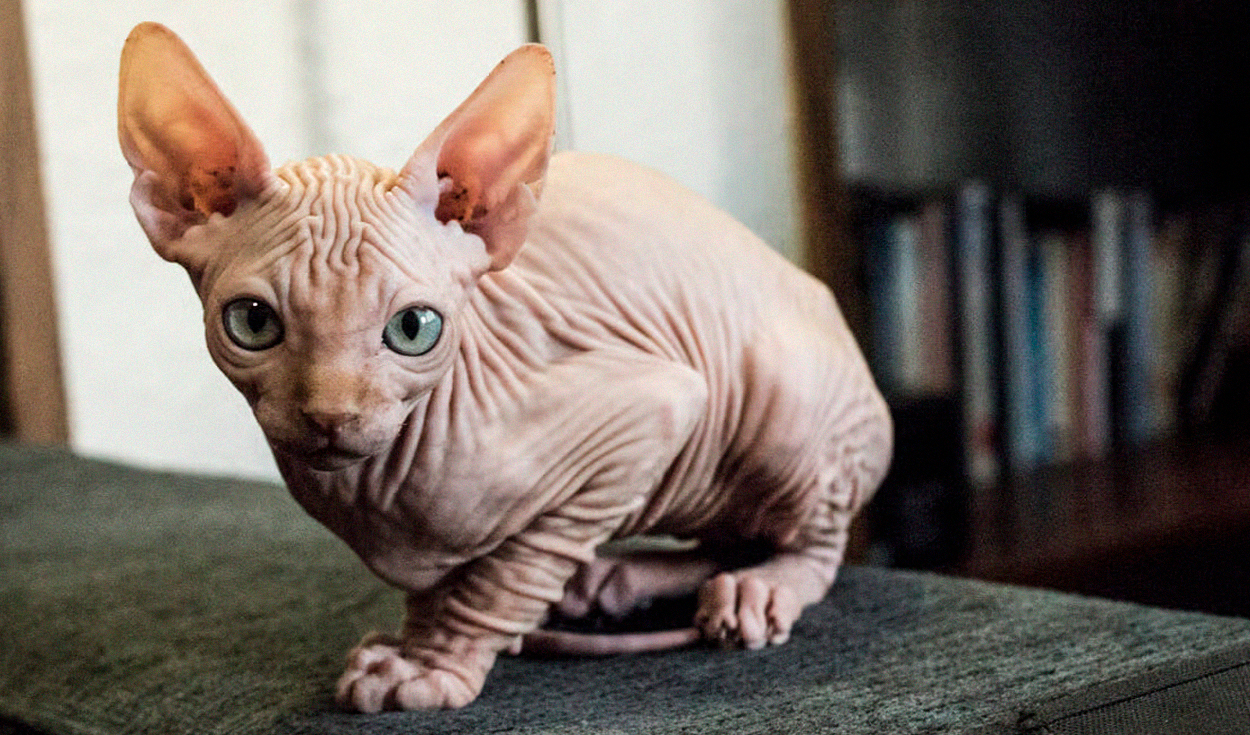
Sphynx cats originated from a natural genetic mutation in Toronto, Canada, in 1966 rather than ancient Egypt, according to the Cat Fanciers' Association. The organization stated that the hairless breed began when a domestic cat gave birth to a hairless kitten named Prune.
Breeders used Prune to start selective breeding programs that shaped the modern Sphynx. To expand genetic diversity in the lineage, breeders crossed these hairless animals with normal-haired cats.
The association said the name Sphynx comes from the cat's physical resemblance to the Great Sphinx of Giza. However, the group clarified that the name is purely aesthetic and does not indicate Egyptian origins.
Genetic Research and Lineage
The Cat Fanciers' Association noted that Prune's appearance was a natural, spontaneous mutation rather than the result of thousands of years of selective breeding. Later research published in Mammalian Genome by scientists linked to the University of California, Davis, identified mutations in the KRT71 gene associated with hair characteristics in both Sphynx and Devon Rex cats.
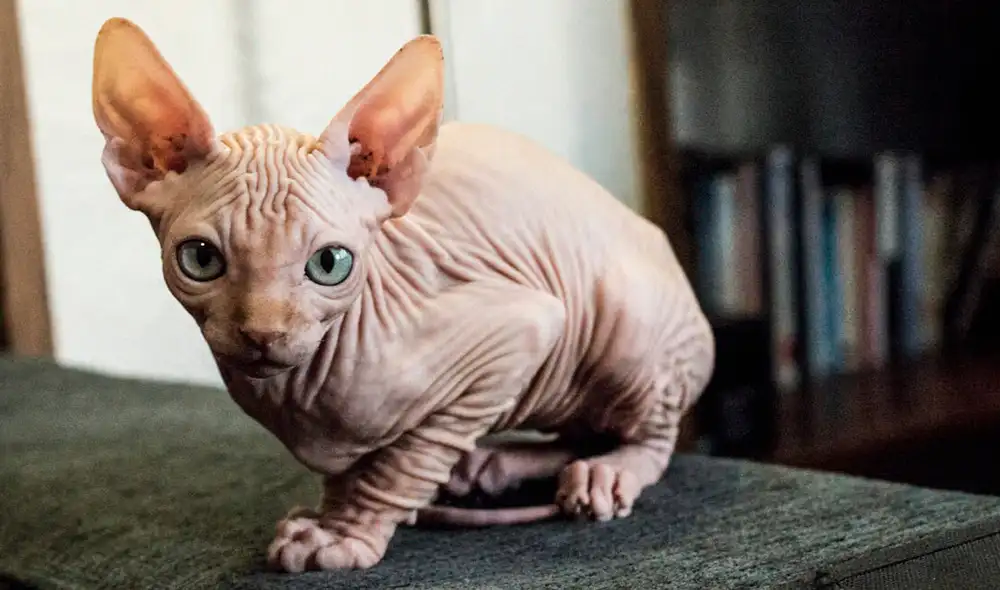
The development of the breed continued in Minnesota in 1975 when two more hairless cats, named Epidermis and Dermis, were born. Breeders incorporated Epidermis and Dermis into breeding programs alongside American Shorthair and Devon Rex cats to build the modern Sphynx lineage.
Cultural Links and Health Care
The connection between hairless cats and Egypt remains cultural and aesthetic. While ancient Egyptians held cats in high regard and depicted them in art and religion, no evidence shows that modern Sphynx cats descend directly from those ancient animals, making the label of Egyptian cat misleading.
The absence of a standard hair coat does not make the Sphynx a low-maintenance pet, as its skin requires specialized care and protection from environmental factors. In addition, the Cornell University College of Veterinary Medicine listed the Sphynx among cat breeds with a higher predisposition to hypertrophic cardiomyopathy (HCM), a condition that causes thickening of the heart muscle. Cornell noted that genetics plays a role in HCM and that the disease is more prevalent in certain breeds, including the Sphynx.


