
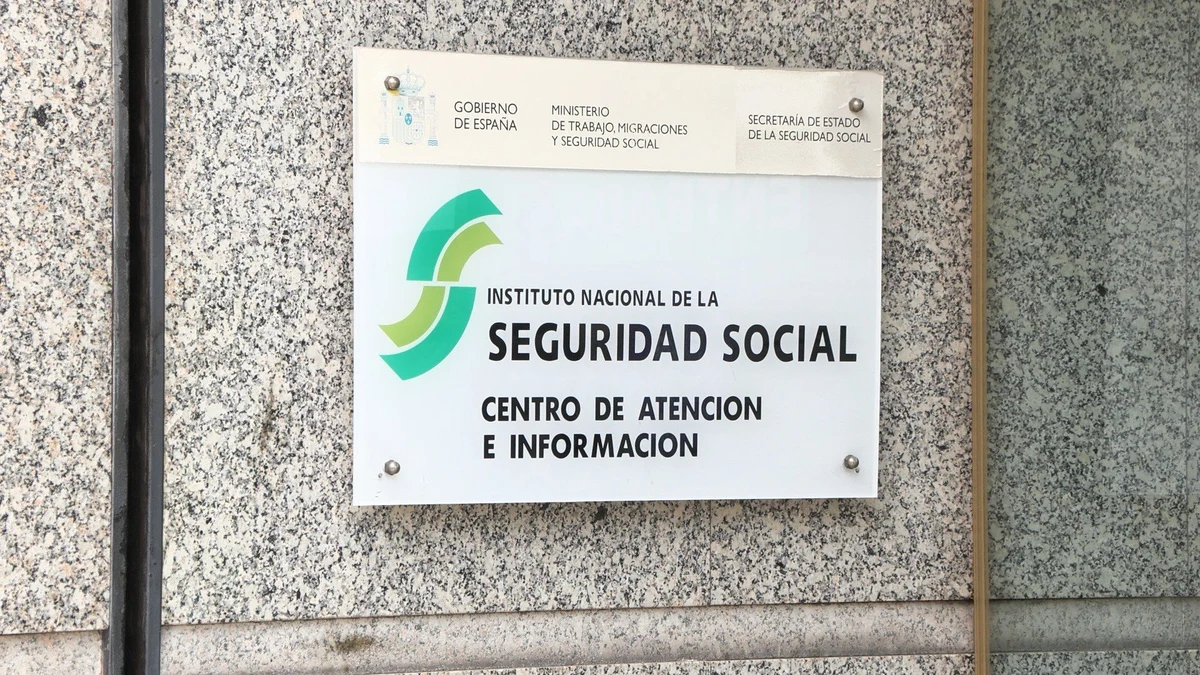
A Spanish court has ruled that a single mother does not have to repay more than 7,600 euros in minimum vital income payments after finding that the national social security agency could not prove she had received excess benefits.
The Social Chamber of the Catalan Superior Court of Justice issued ruling 3981/2026 on July 6, dismissing an appeal by the National Social Security Institute, known as the INSS, against an earlier decision that had sided with the woman.
The case began in August 2022, when the INSS notified the woman that she owed 7,632.37 euros. The agency argued that her household income in 2019 and 2020 meant she had received more than she was entitled to under the Minimum Vital Income scheme, known as the IMV. The woman maintained throughout that her actual earnings had been negative in both years.
The woman, who has had custody of a minor son since her divorce in 2016 and receives support from municipal social services, had automatically qualified for the IMV in June 2020 when an existing child benefit she received was converted into the new payment.
At trial in October 2024, the INSS attempted to revise the income figures attributed to the woman to show she had exceeded the benefit's limits. The court found there was insufficient evidence of such income and ruled entirely in her favour.
On appeal, the Catalan court upheld that verdict, finding that the INSS had built its argument on facts that had not been established in the original ruling. The court noted that the woman's tax filings showed negative taxable bases in both 2019 and 2020, and that the isolated figures the agency sought to introduce did not reflect the final result of each year because they left out eligible expenses and deductions.
A separate insolvency process also contributed to cancelling the debt. In July 2024, the Commercial Court No. 3 of Barcelona granted the woman a definitive discharge of unsatisfied liabilities, which included a debt of 7,217.46 euros owed to the General Treasury of Social Security. The Catalan court noted that insolvency law required the discharge to be taken into account, eliminating any remaining basis for the repayment claim.