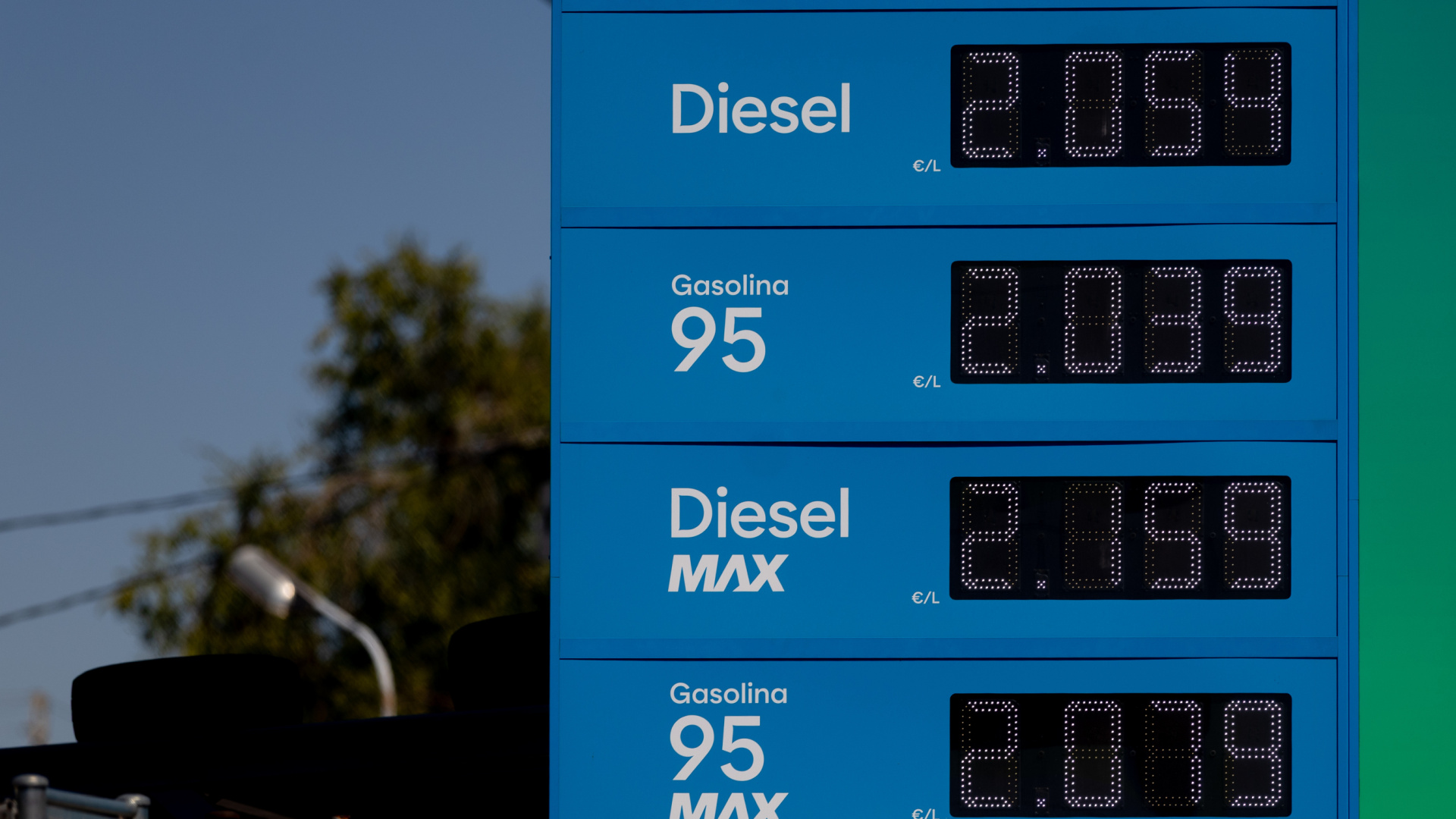
Spain has extended its 20-cent-per-litre fuel subsidy for agricultural and fishing sectors until the end of the year to offset rising energy prices.
The Council of Ministers approved the decree extension, which takes effect from Thursday, October 1. The measure is designed to support households, businesses, and vulnerable economic sectors through the final quarter of the year.
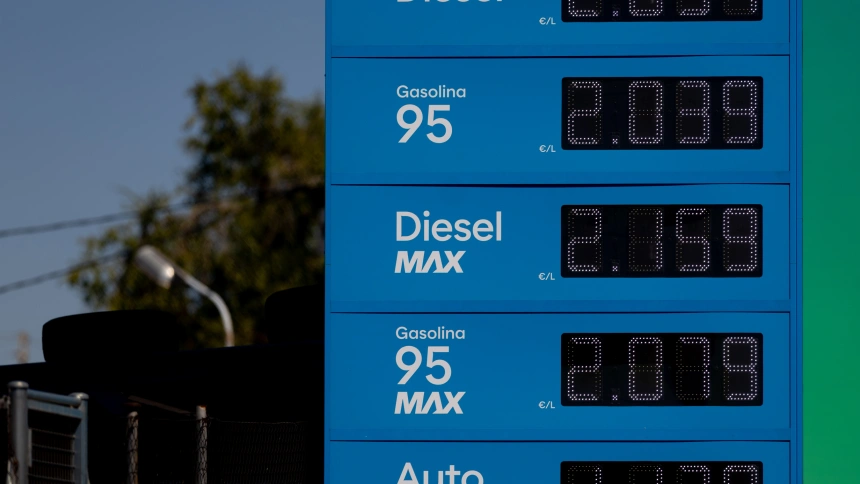
Government officials introduced the extension to compensate for rising fuel costs driven by the ongoing war in Iran, which began seven months ago. Spain's Council of Ministers serves as the primary executive decision-making body of the national government, responsible for issuing decree-laws during economic crises.
Direct fuel rebates and sector support
First Vice President of the Government and Minister of Economy, Trade and Business, Carlos Cuerpo, announced the measure during a press conference following the cabinet meeting. He stated that the government opted for a linear per-litre discount rather than value added tax reductions requested by transport workers and service station operators.
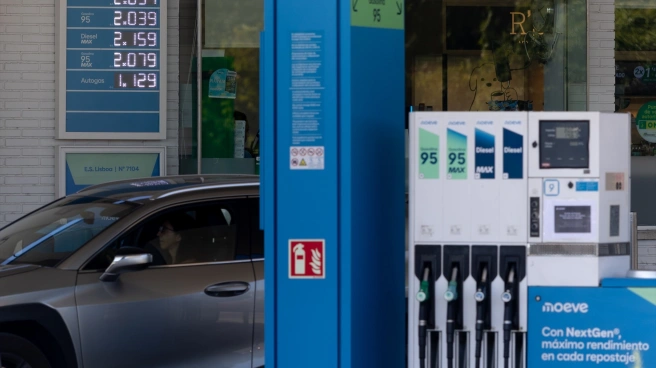
Cuerpo explained that the decree aims to extend and adapt support measures for Spanish households and businesses amid persistent geopolitical risks that continue to affect international energy markets.
Financial assistance for the agricultural and maritime sectors provided under Spain's Comprehensive Plan for Response to the Middle East Crisis had already exceeded 1 billion euros prior to this latest extension.
Role of fuel subsidies in Spain
Agricultural and commercial fishing operations in Spain depend heavily on specialized diesel, known locally as red diesel for farming machinery and marine fuel for fishing fleets. Because fuel represents one of the largest operational costs for primary producers, sudden price increases in crude oil can rapidly erode profit margins across the food supply chain.
Rather than altering value added tax rates on energy products, direct fuel rebates provide immediate price relief at the point of sale or through targeted sector distribution. Spain remains highly reliant on imported fossil fuels, leaving domestic energy costs sensitive to geopolitical conflicts and international supply disruptions.