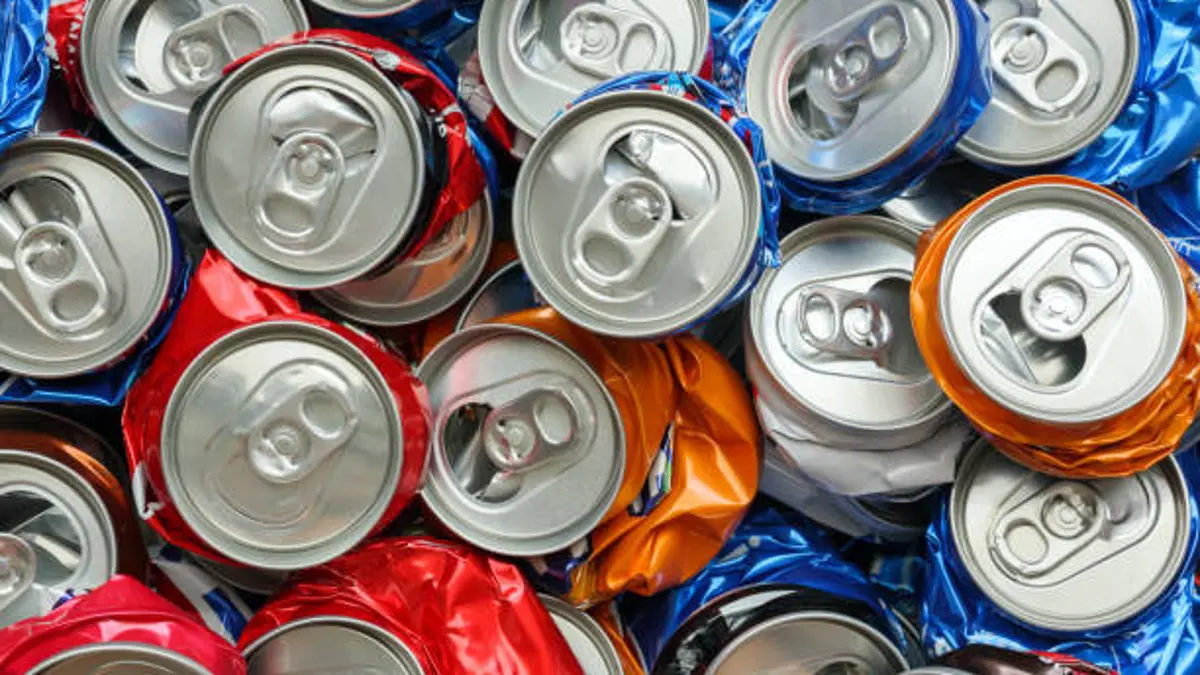
Spain is overhauling its recycling system after the current model, based on colour-coded bins, failed to meet the collection targets set by the European Union. The government will have to roll out an alternative scheme that changes both how shoppers buy drinks and how businesses handle packaging waste.
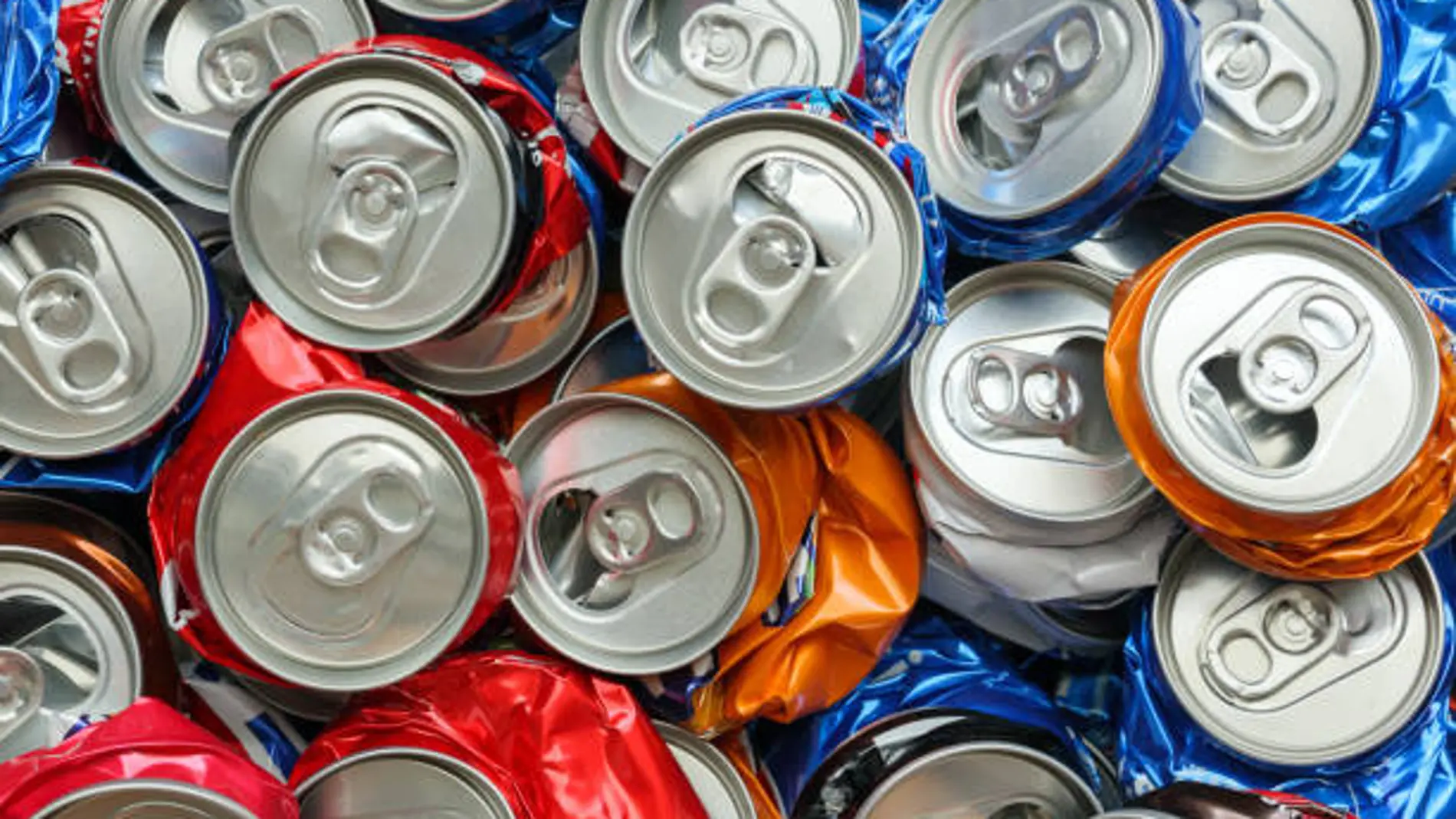
The centrepiece of the change is the deposit, return and refund system, known in Spain by its Spanish acronym SDDR. Under the mechanism, a small extra amount is added to the price of certain drink containers, which customers can recover if they later bring the empty packaging back to authorised collection points.
How the deposit system works
The new model covers plastic bottles, cans and beverage cartons of up to three litres, including water, soft drinks, juice and beer. A deposit of at least 10 cents will apply to each container, though the final amount charged could be higher. To get the money back, shoppers will need to take the empty containers to participating shops or authorised facilities.
Deposit-return schemes of this kind already operate in several other European countries, such as Germany and the Netherlands, where they are used to give consumers a direct financial incentive to return packaging rather than throw it away.
Launch delayed past deadline
Although 22 November had been set as the deadline for the system to start operating, it had not yet come into force. The delay stems from administrative procedures that remain unfinished, particularly the permits required for the entities responsible for running the scheme.
The SDDR Association for Spain, an industry body involved in setting up the scheme, said there were still matters to resolve and parts of the regulation that needed to be finalised. Among the outstanding issues, the association pointed to the authorisation of the organisations that will administer the model and the coordination between the different operators involved. These obstacles mean there is currently no definitive timetable for rolling the scheme out across the country.
Spain falls short of EU recycling targets
The new mechanism is designed to address Spain's weak container collection figures, which currently fall well short of the levels demanded by Brussels.
Spain managed to separately collect just 41.3% of single-use plastic bottles in 2023, far below the 70% target set by European rules.
Through the deposit, return and refund system, authorities hope to increase the volume of packaging that returns to recycling circuits and move towards a 90% recovery rate in the coming years.

For now, no date has been confirmed for when the deposit, return and refund system will begin operating nationwide, as the permits and coordination between operators remain unresolved.
What happens next
No definitive timetable has been set for the nationwide rollout, as permits for the managing organisations and coordination between operators still need to be resolved.
Test yourself
What is the minimum deposit that will be added per container under Spain's new SDDR system?
What percentage of single-use plastic bottles did Spain separately collect in 2023?
Why was the launch of the system delayed past its 22 November deadline?
Have your say
Do you support Spain's new deposit charge on bottles and cans?
Where it happened
Madrid, Spain