

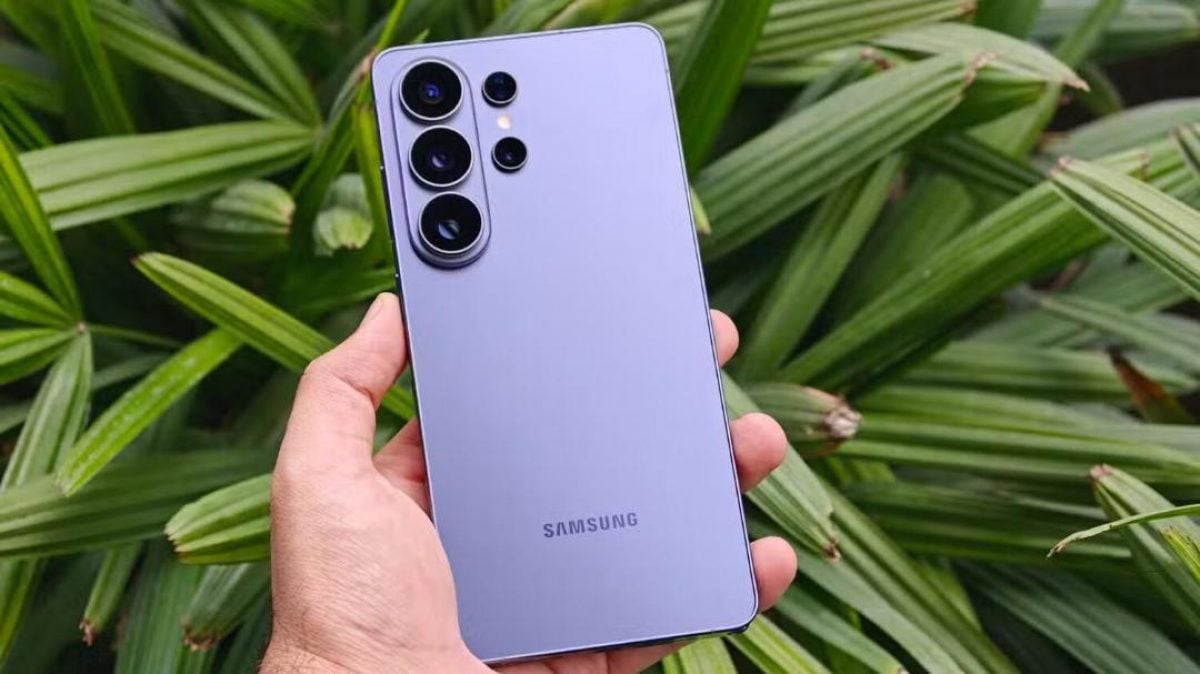
Smartphone buyers evaluating new devices should look beyond camera quality and battery life to five overlooked hardware features, according to tech outlet Android Police.
With smartphone prices continuing to rise in 2026, consumers are spending increasingly higher amounts on new handsets. The analysis emphasizes that minor hardware details now play a far greater role in determining long-term daily satisfaction than minor differences in photo quality or battery endurance, as modern devices already offer strong baseline performance in those areas.
Build quality and ingress protection
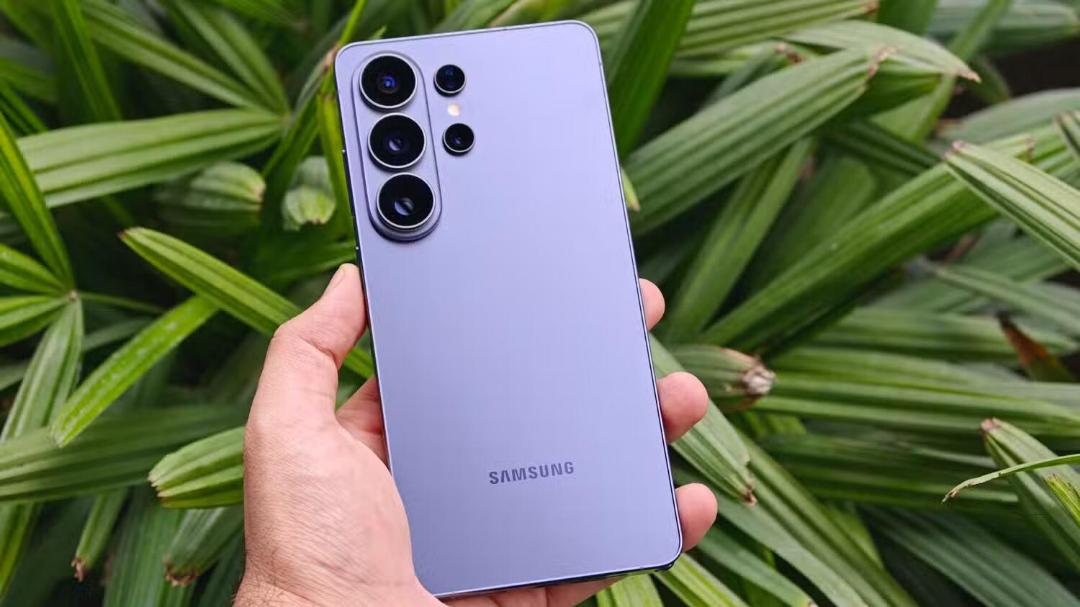
One of the primary factors highlighted in the assessment is overall build quality and physical construction. Even when manufacturers use identical combinations of glass and metal, competing smartphones can deliver vastly different tactile experiences in the hand.
The review advises prospective buyers to inspect how slippery a handset body feels, whether the exterior easily accumulates fingerprint smudges, and how comfortable the phone is to hold without a protective case. Frame materials also significantly affect performance: while titanium provides superior structural durability, aluminum frame designs often provide better heat dissipation during prolonged processor workloads.
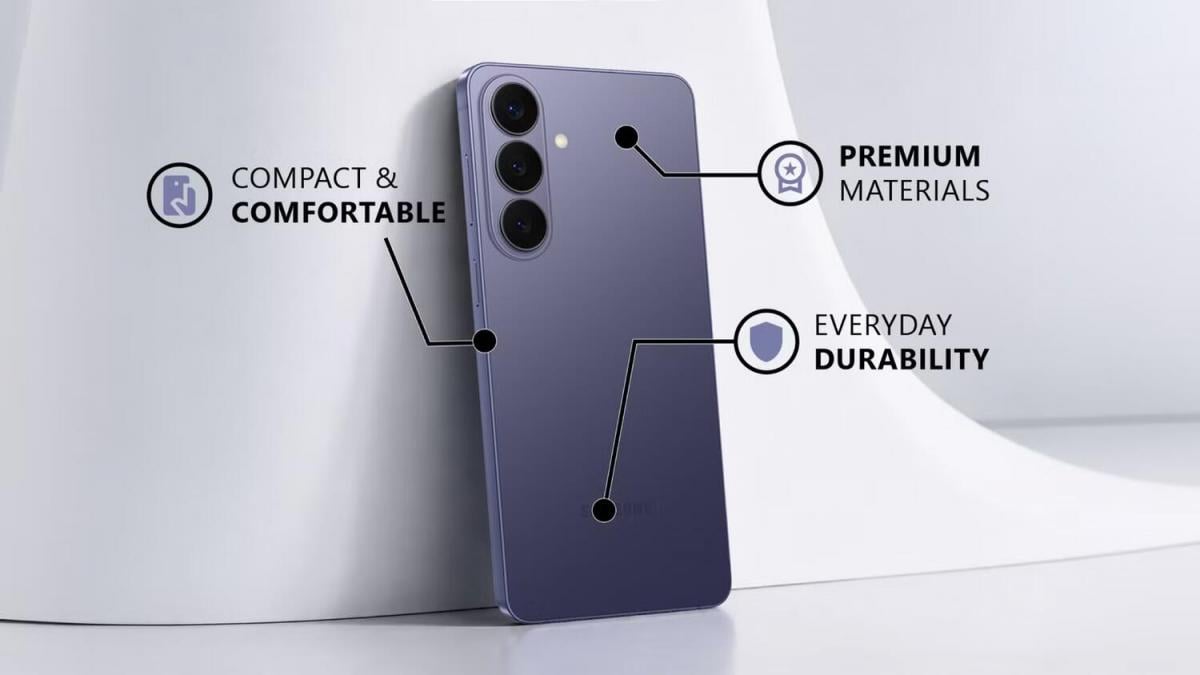
Water and dust resistance serves as another crucial consideration for long-term reliability. While most modern flagship smartphones carry standard IP68 certification for ingress protection, certain newer models now offer IP69 ratings for higher pressure resistance. Buyers evaluating foldable smartphones are urged to check environmental protection ratings with extra care, as complex hinge mechanisms present unique sealing challenges.
Audio performance and tactile feedback
Built-in speaker quality represents a second critical feature that buyers frequently underestimate. Smartphones are routinely used to watch video streaming platforms such as YouTube and Netflix, listen to music, and play audio without headphones.
As a result, even premium flagship models costing $1,000 can cause frustration if equipped with weak or distorted speakers. When evaluating audio capabilities, consumers are advised to test actual sound clarity and depth rather than relying strictly on maximum volume metrics.
Tactile feedback from the internal vibration motor forms a third vital component of the daily user experience. Although haptic vibration specs rarely feature prominently in promotional marketing, users interact with haptic responses constantly while typing text messages, receiving incoming notifications, and navigating system interfaces.
A high-quality linear vibration motor delivers crisp, precise tactile feedback, whereas cheap vibration components can diminish the premium feel of an expensive flagship phone. Experts recommend testing a phone's vibration response in person before finalizing a purchase.
Hardware extras and microphone quality
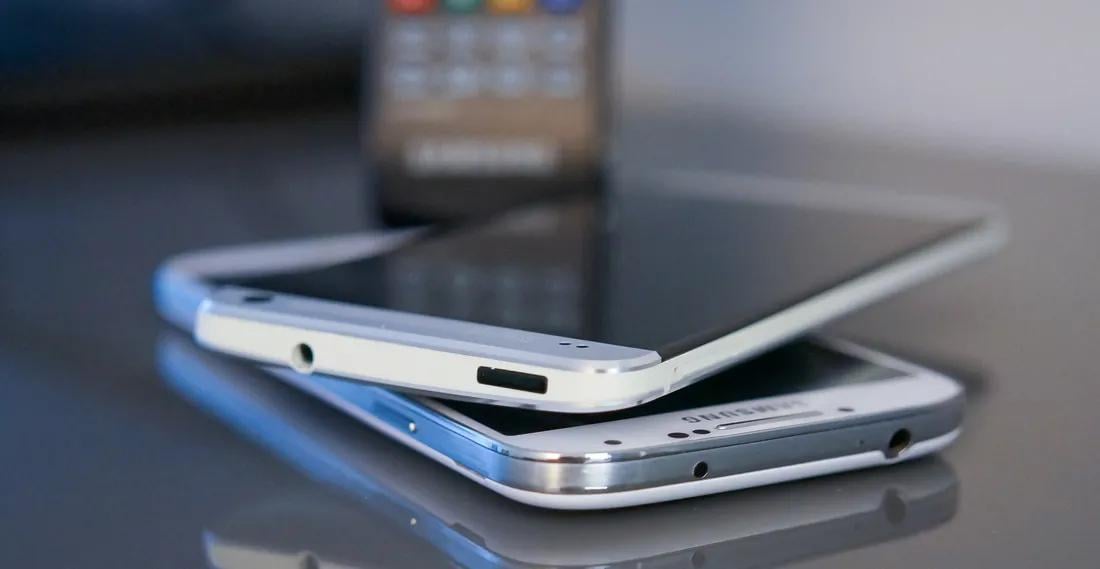
Certain secondary hardware capabilities receive minimal attention in promotional campaigns yet deliver substantial practical convenience. An integrated infrared port, for instance, allows a smartphone to function as a universal remote control for televisions, air conditioners, and other home electronics.
For foldable smartphones and clamshell devices, stylus support is especially valuable. Adding stylus compatibility enables users to take advantage of expanded inner displays, transforming a large-screen foldable from a simple media viewer into a versatile productivity tool.
Microphone quality marks the fifth key area highlighted in the analysis, proving essential during voice and video calls, audio recording, and video capture. Even the most advanced camera system cannot deliver a compelling video recording if internal microphones capture muffled or distorted audio.
Trade-offs across major smartphone brands
While cameras, battery life, and display quality remain fundamental specifications, judging a smartphone exclusively by those three parameters overlooks key operational differences. For example, Google Pixel devices offer the fastest Android software updates and high-quality speaker performance, but lack an integrated infrared port.
Conversely, Samsung manufactures some of the most versatile Android smartphones on the market, yet even its most expensive flagship models come pre-loaded with unwanted software applications. The review notes that while individual drawbacks may not be complete dealbreakers, the cumulative effect of small design details dictates daily user comfort.
Market context and upcoming device releases
The discussion around hardware value coincides with several major mobile industry developments expected in 2026. Industry reports indicate that Samsung is preparing to launch its Galaxy S26 FE, a model positioned as a budget-friendly flagship featuring high-end capabilities at a lower price point.
Meanwhile, Apple is scheduled to unveil its flagship iPhone 18 Pro next month, with reports highlighting 10 major technical innovations. Other recent industry evaluations have pointed to exclusive software capabilities on Samsung devices, noting six proprietary features absent from competing Android phones that make switching to other brands difficult once established.
For budget-conscious buyers, analysis published by news agency UNIAN identified a $200 smartphone offering long battery endurance, wireless charging, and features rarely found in entry-level handsets. Additional recent evaluations by industry experts have highlighted the most reliable smartphone model of 2026 outside the Google Pixel and Samsung Galaxy lineups, alongside top wireless earbuds for Android users and comparative testing on the energy efficiency of wireless versus wired charging systems.


