

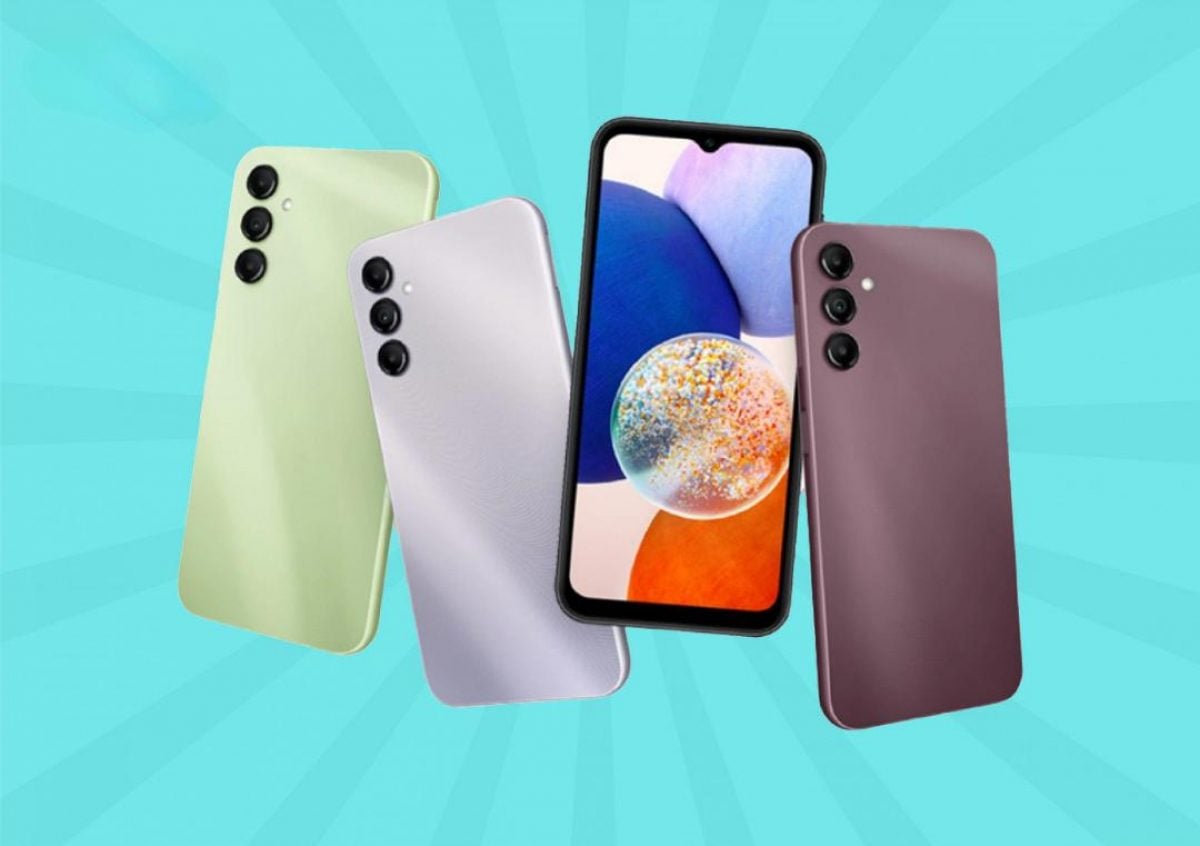
Sales of smartphones priced under $100 in the United States fell by 64 per cent year on year during the second quarter of 2026 as soaring memory component costs threaten to wipe out ultra-budget mobile devices. Technology news outlet TechSpot reported that sharp price increases for random-access memory and flash storage have left manufacturers struggling to keep low-cost handsets viable on store shelves.
Smaller hardware makers have been hardest hit by the component price surge. Finnish mobile manufacturer HMD has already scaled back its presence in the American market or withdrawn from it entirely, while other suppliers are either halting deliveries or raising retail prices to absorb the extra component expense. As a result, the price gap between generic budget models and low-end handsets from established brands like South Korean tech giant Samsung has narrowed, making lesser-known alternatives less appealing to consumers.
Amid the industry turmoil, Motorola Mobility, the smartphone maker owned by Chinese technology firm Lenovo, managed to solidify its commercial standing. Price increases pushed Motorola's Moto G series out of the budget bracket and into the $200 to $299 price tier. Sales in that price segment jumped by nearly 200 per cent year on year, tripling Motorola's share of the United States smartphone market.
Rising memory costs squeeze manufacturers
The market shift stems from hardware components taking up an unprecedented share of total manufacturing expenses. Data from industry research firm Omdia showed that memory modules represented nearly 60 per cent of component costs for smartphones priced under $400 during the first quarter of 2026. For ultra-budget handsets costing under $100, memory components accounted for more than 64 per cent of the total bill of materials.
The memory supply crunch is not limited to the mobile phone industry. Market research group Gartner previously warned that elevated memory expenses could cause the budget personal computer market under $500 to virtually vanish by 2028. Analysts noted that entry-level consumer electronics are either being forced into higher price categories or eliminated altogether from store shelves.
Tech industry faces wider market exits
Industry analysts estimate that many mobile brands will be forced to shut down operations or cancel specific product lines by the end of 2026 due to severe memory shortages. Several established hardware manufacturers have already pulled out of the sector. Taiwanese computer maker ASUS and Chinese electronics producer Meizu both officially announced their complete departure from the smartphone market.
Chinese smartphone manufacturer OnePlus confirmed that it will no longer release new mobile models in the United States or Europe. The Shenzhen-based company stated that its future corporate strategy will focus exclusively on its home market in China.


