The Central Bank of Russia reported that the war between the United States and Iran helped reduce domestic inflation during the spring. In its key rate discussion summary, the regulator stated that the conflict caused a blockage of the Strait of Hormuz.
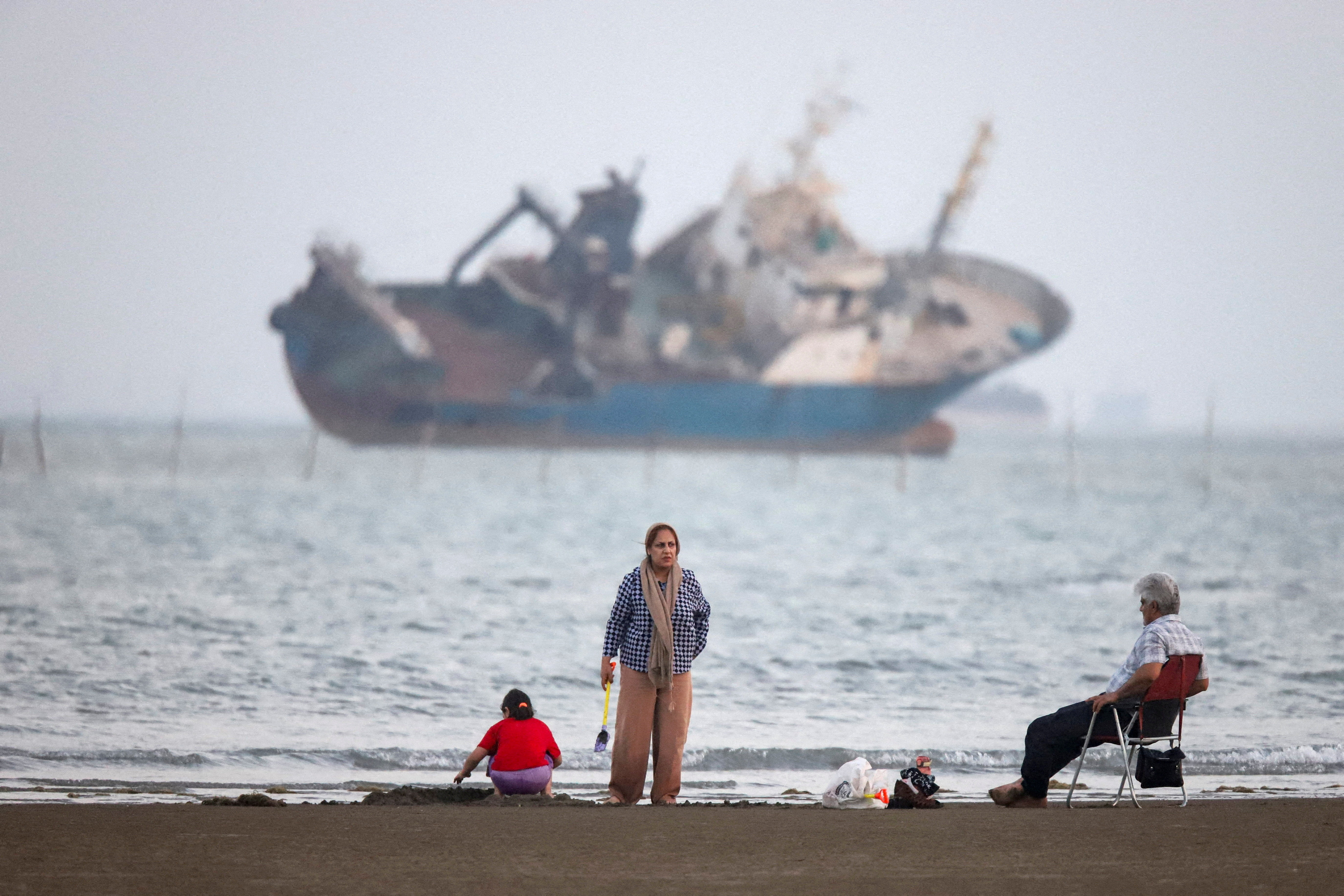
The closure of the Middle East logistics artery disrupted energy shipments from Persian Gulf countries. This disruption triggered a rapid surge in prices for oil, petroleum products, and gas.
Higher energy prices benefited Russian commodity exporters by boosting sales revenues while demand stayed steady. The resulting influx of foreign currency into the domestic market strengthened the ruble, which kept Russian consumer price growth restrained through the spring.
Ruble weakening and inflation risks
However, experts warn that economic conditions could shift by the end of the summer. The ruble began weakening in June and July, a trend analysts expect to persist through August.
Economist Guzel Protsenko predicted that the US dollar exchange rate could rise to 82 rubles by the end of summer. Analysts said the dollar will be supported by higher domestic demand for currency, currency interventions by the Ministry of Finance, and the risk of stricter US sanctions against Russia's trading partners.
A weakening Russian currency could lead to higher prices for imported goods, threatening to accelerate already high inflation.