

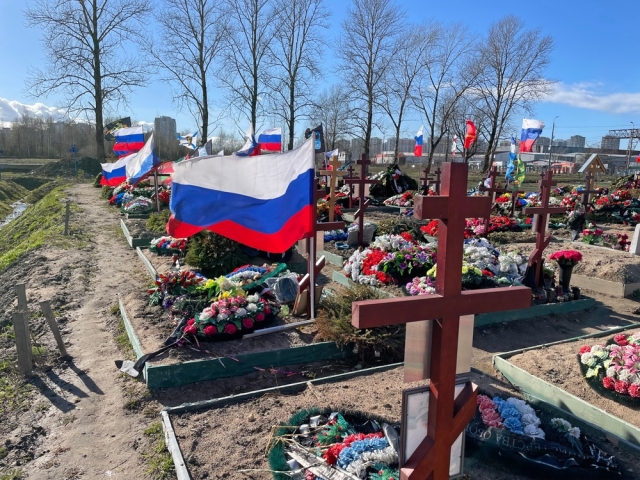
Russia's invasion of Ukraine has affected daily life for Russians since 2022, creating new forms of social and financial exploitation. Allegations are growing across Russia regarding women known as black widows who form fake marriages with soldiers shortly before they head to the front line. Their sole goal is to collect state death benefits if the soldiers are killed.
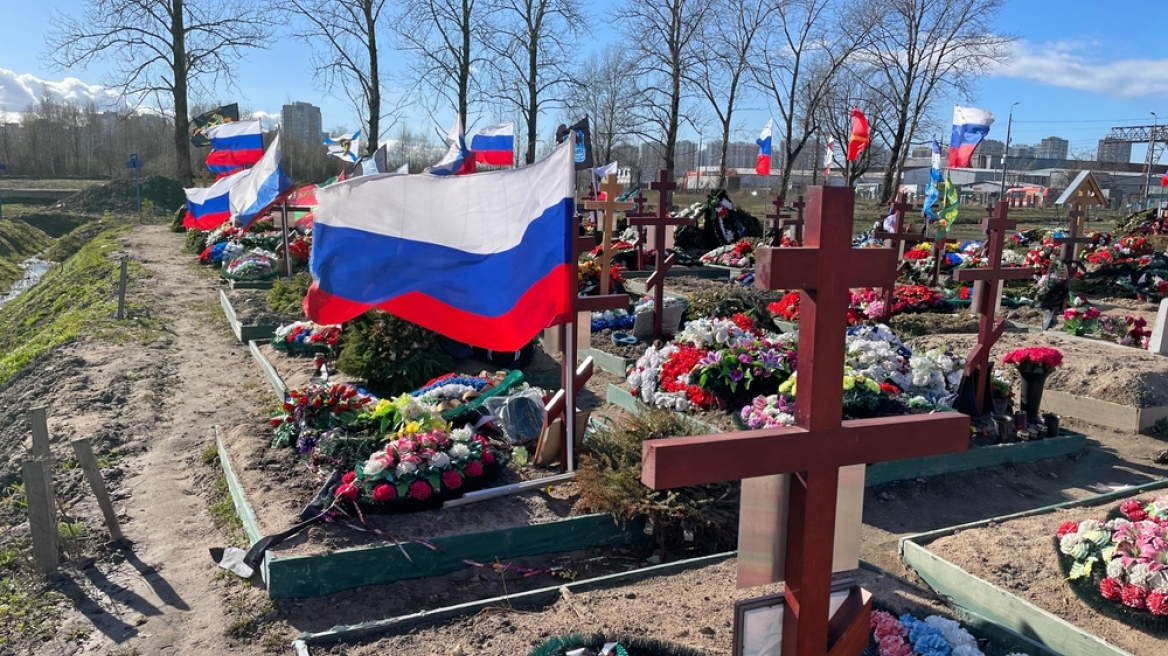
The scheme has caused widespread turmoil as an increasing number of soldiers' families report being shut out from official financial payouts. Under the current system, when a Russian soldier dies in the war, their closest relative receives a lump-sum payment starting at 5 million rubles, or roughly $64,000.
The government created the financial support to provide economic security for families of front-line troops. However, Russian officials, state media, and soldiers' relatives say fraudsters are using the measure to target lonely and vulnerable men. Women marry the servicemen right before deployment, automatically gaining the right to collect the state payout and leaving blood relatives with nothing.
Hospital marriages and public outrage
Reports have emerged of marriages taking place just days before troops leave for Ukraine, as well as weddings conducted inside military hospitals while wounded soldiers were in critical condition. In one high-profile case, a military hospital nurse was fired after being accused of marrying five injured soldiers under her care before they died from their wounds so she could collect their payouts.
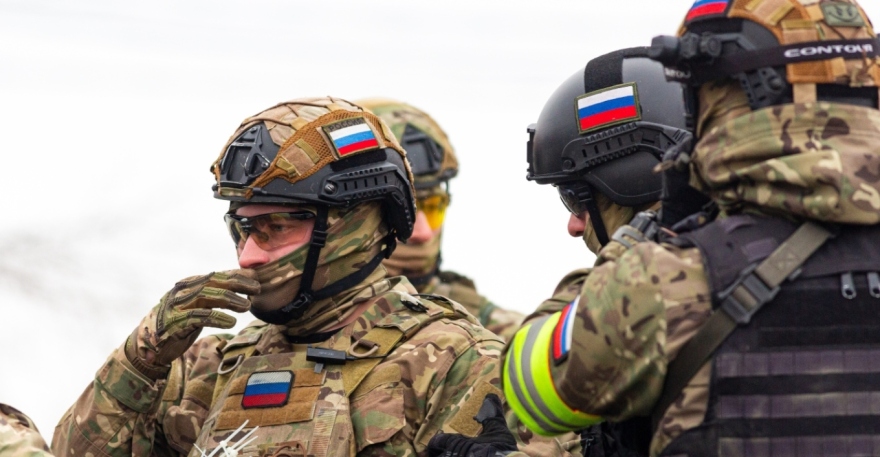
The cases have sparked intense public outrage in Russia alongside the economic fallout of the war, fuel shortages, and rising casualties from near-daily Ukrainian attacks deep inside Russian territory. The backlash prompted government figures to call for stricter legal protections for servicemen's families.
Russian lawmaker Leonid Slutsky said criminal practices had taken on serious dimensions. He stated that the families of combatants must be shielded from financial fraudsters, phone scams, and so-called black widows.
Kremlin policies and marriage rush
Following the 2022 invasion of Ukraine, the Kremlin actively encouraged new recruits to marry before deploying to the front line. Authorities simplified the registration process by removing standard waiting periods for marriage licenses, while state media broadcast mass wedding ceremonies organized by local municipal governments.
Russian officials linked the policy to strengthening family support for troops and promoting traditional family values. Russian President Vladimir Putin has emphasized these traditional values in recent years to counter severe demographic decline.
Real estate schemes and court rulings
The controversy expanded further in 2025 when a real estate broker in Siberia appeared on an online broadcast advising women who wanted to buy homes to marry soldiers bound for Ukraine. She described the practice as a business, telling viewers that widows could easily buy property using payouts worth several million rubles if the husbands were killed.
The broadcast triggered severe backlash. Authorities brought both the real estate agent and the show host to court, where judges sentenced them to multiple days of community service and ordered them to issue public apologies to soldiers' families.
Russian courts have handled numerous legal disputes between families of fallen soldiers and wives who married them right before their deployment. In several cases, judges annulled the widows' rights to receive compensation after finding strong evidence of abusive behavior or suspicious circumstances surrounding the marriages.
Military officers accused of organized fraud
Growing concern centers on allegations that Russian military personnel have participated in the fraudulent schemes. According to an investigation made public last year, non-commissioned officers and a military accountant allegedly recruited vulnerable men, including orphans and individuals without close relatives.
The suspects organized fake marriages for the recruits and subsequently assigned them to exceptionally dangerous front-line missions where their chances of survival were low. Russian authorities launched an investigation into the matter, though officials have not provided an update on its current status.


