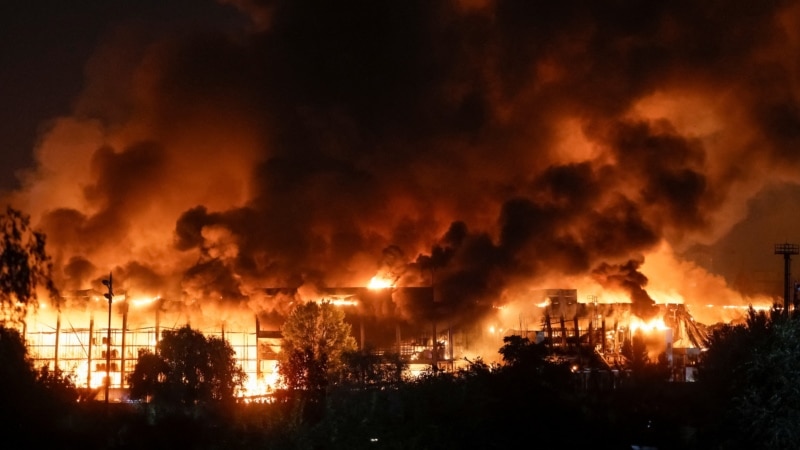
Ukraine failed to intercept any ballistic missiles during a massive overnight Russian attack, Ukrainian military authorities reported on August 5, 2026.
Russian forces launched 28 missiles and more than 100 strike drones across the country overnight. While Ukrainian air defenses brought down nearly 100 drones, no missiles were intercepted. The Air Force of the Armed Forces of Ukraine did not provide an explanation for the failure.

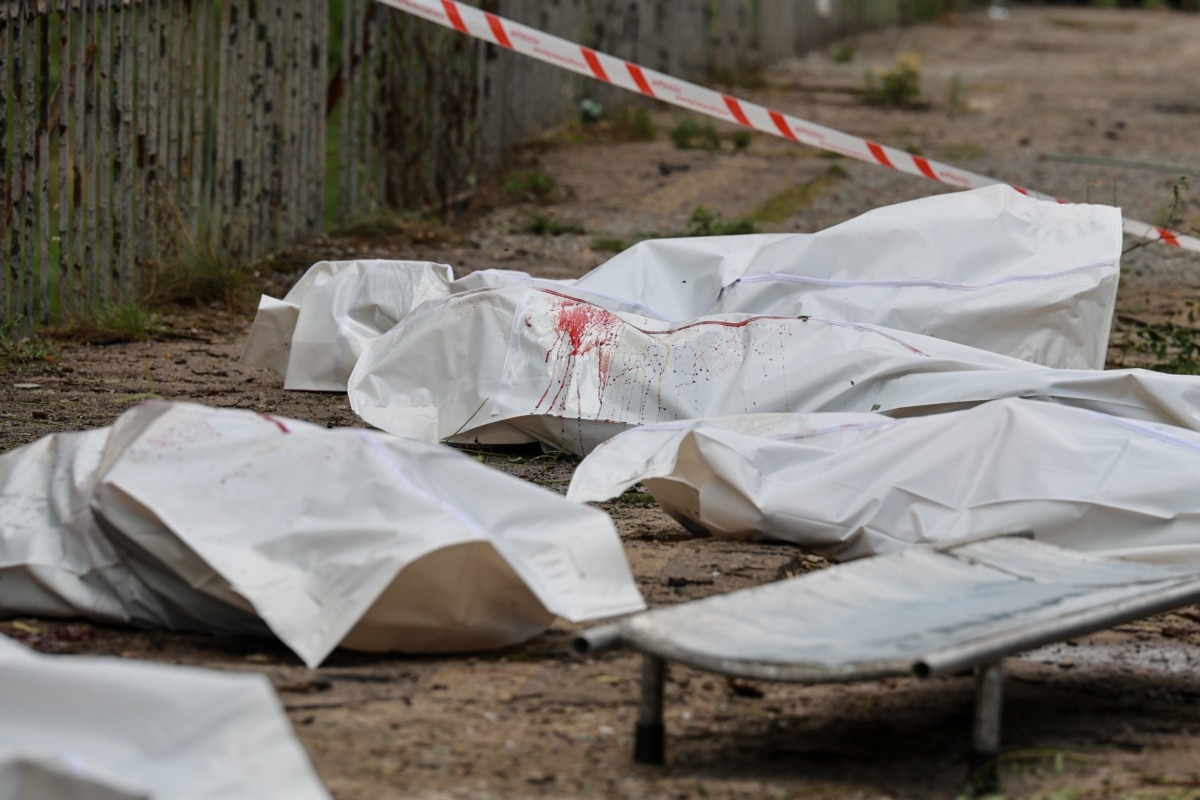
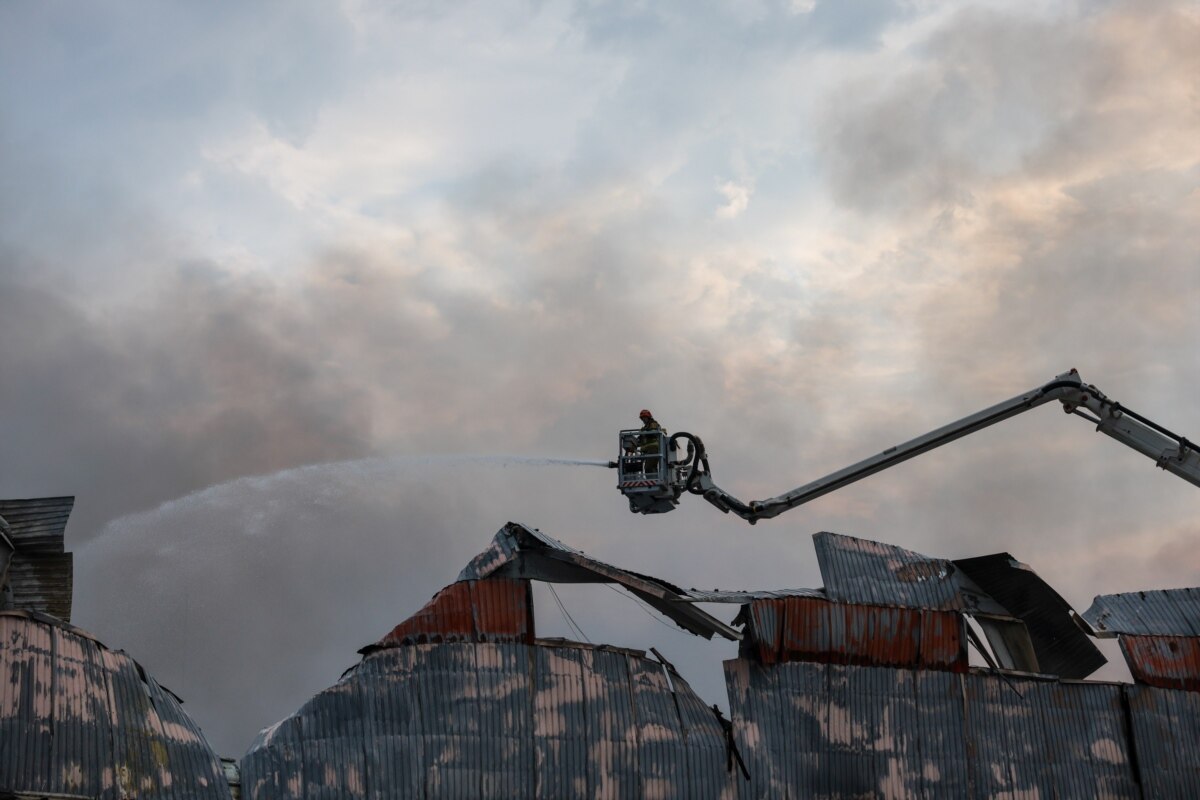
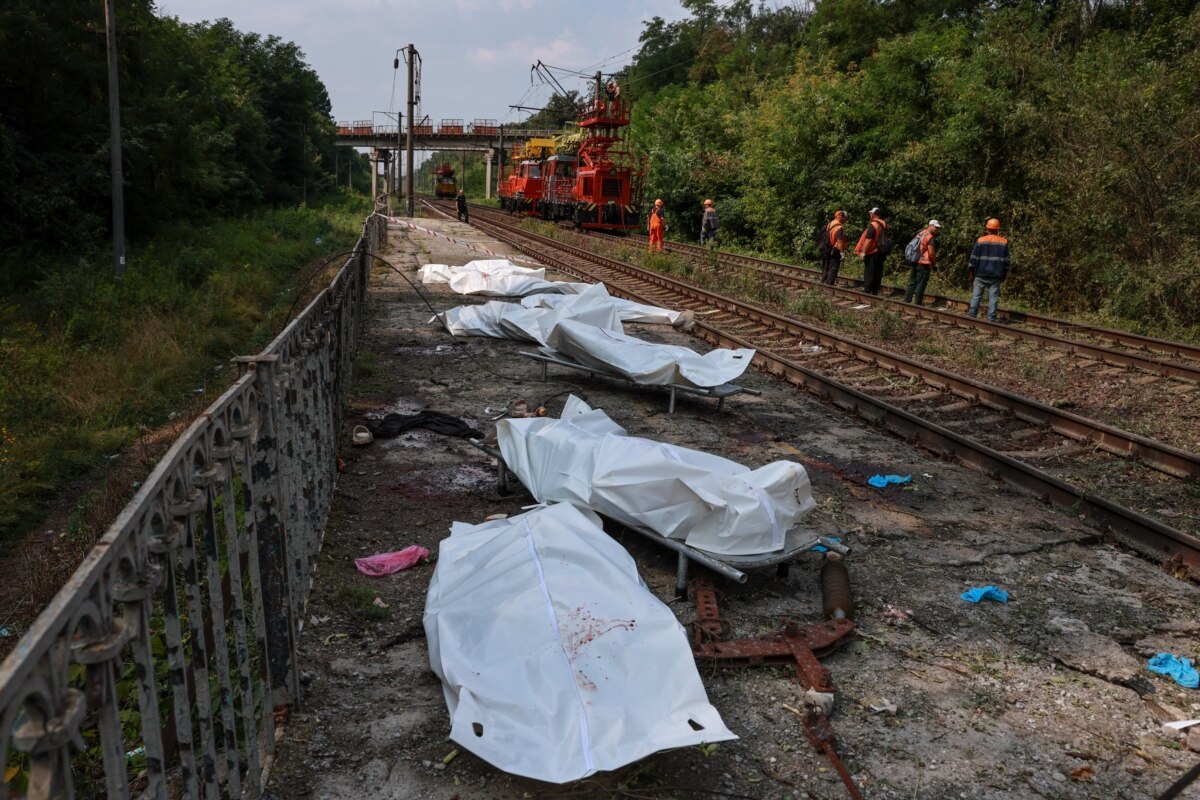
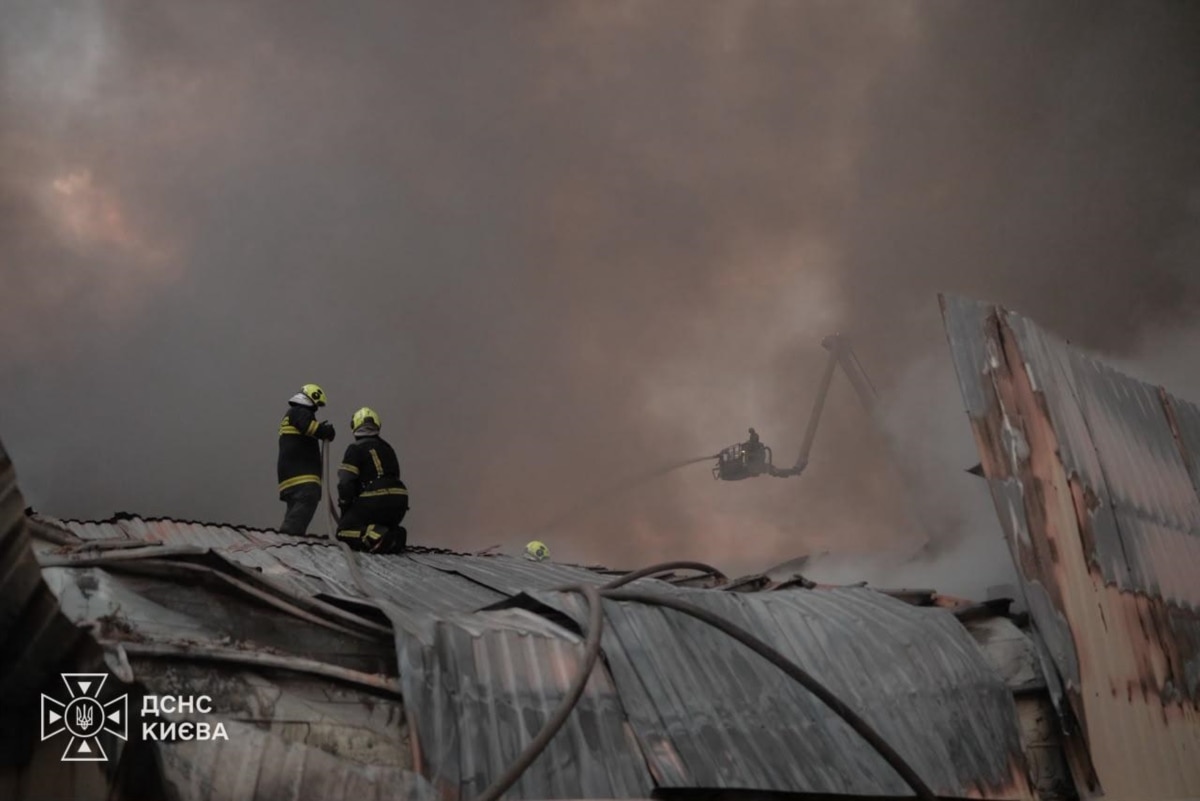
The strikes caused fires at food and industrial warehouses in the Obolonskyi district of Kyiv. In Kyiv Oblast, a missile hit the Kvitneva railway station, killing eight people who were waiting for a train.
Ukrainian Foreign Minister Andrii Sybiha stated that Russian attacks do not take holidays, referencing the European Union political summer recess. Sybiha called on international partners to accelerate decisions on delivering interceptor missiles, describing them as life-saving tools and emphasizing that every missile counts.
Latvian Foreign Minister Baiba Braze, visiting Kyiv on an official trip, wrote on social media platform X that she took shelter alongside local residents during what she called a despicable attack. Braze praised Ukrainian resilience and added that Russia is a terrorist state that must be deterred.
The UN Human Rights Monitoring Mission in Ukraine reported that the overnight strikes are part of an escalating pattern of civilian casualties. During the first six months of 2026, 1,396 civilians were killed and 7,978 injured in Ukraine, representing a 37 percent increase compared to the same period in 2025 and a 114 percent increase compared to 2024.
Drop in Air Defense Missile Deliveries
Ukrainian President Volodymyr Zelenskyy stated after an August 5 meeting with military leadership that deliveries of anti-ballistic interceptor missiles from partner countries have dropped significantly.
Zelenskyy reported that Ukraine has received three times fewer anti-ballistic missiles in 2026 compared to the same period in 2025. He said partner nations possess interceptor missiles and called for political decisions to deliver them and speed up production, including localized manufacturing in Ukraine.
US Stockpile Depletion and Middle East Operations
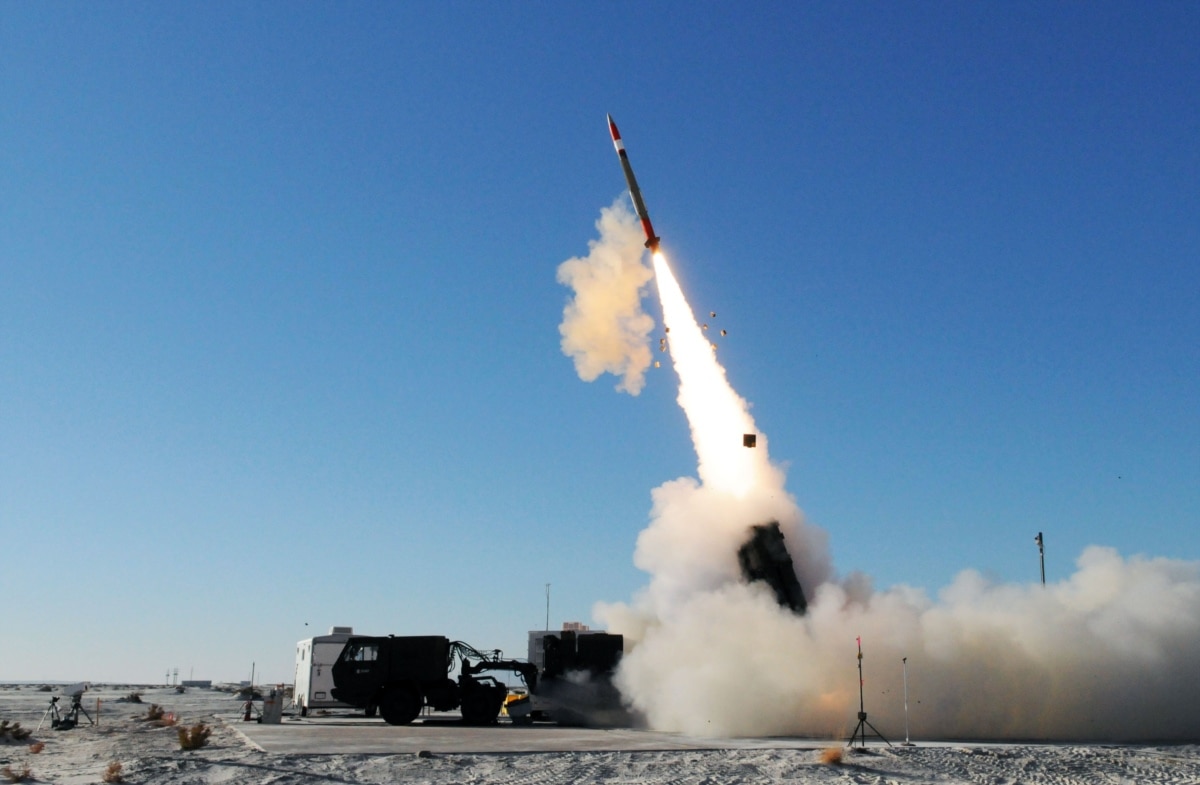
The Patriot PAC-3 MSE and Terminal High Altitude Air Defense (THAAD) systems remain the most effective weapons against ballistic missiles. However, questions have mounted over how many interceptors Washington can supply.
A study by the Center for Strategic and International Studies (CSIS), a Washington think tank, estimated that the United States has used more than half of its Patriot PAC-3 MSE and THAAD interceptor stocks during military operations against Iran.
According to CSIS estimates, US stocks of Patriot PAC-3 MSE missiles fell from more than 2,300 before the Middle East conflict to approximately 800, while THAAD interceptor stocks declined by nearly half.
Mark Cancian, a senior advisor at CSIS and co-author of the study, said Washington has almost no capacity left to supply Ukraine. Cancian noted that US military planners will not allow Patriot inventories to fall below 800 to 900 missiles, making transfers to Kyiv very difficult. He suggested Ukraine may need to source S-300 missiles from nations operating Soviet-era systems or focus on destroying Russian launchers before launch.
Debate Over American Missile Inventories
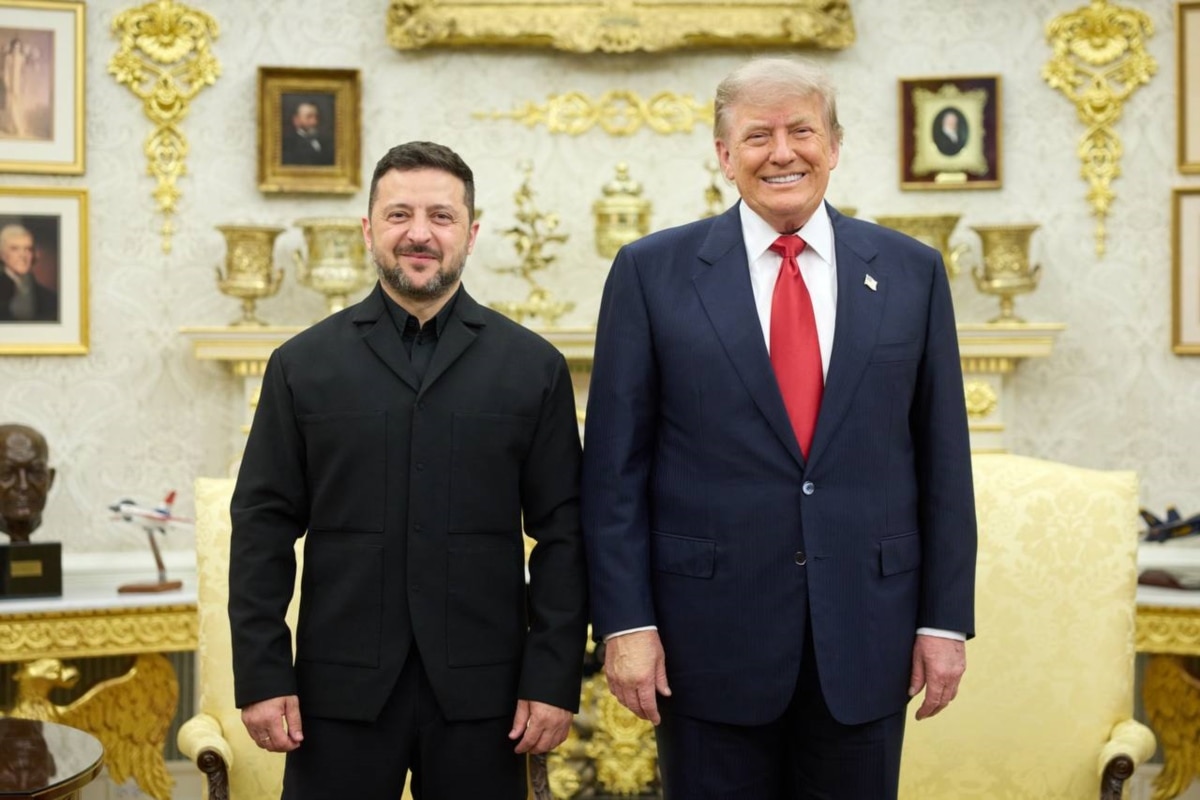
Zelenskyy told news outlet Axios that he asked US President Donald Trump last week for hundreds of Patriot missiles before winter. The Financial Times reported that Trump declined the request due to interceptor shortages and US operational needs in the Middle East.
On August 6, President Trump stated that the United States also needs missiles, noting that former President Joe Biden provided Ukraine with 300 billion dollars in munitions. Trump added that the US maintains a huge amount of ammunition and that defense companies are building the largest number of factories in American history.

Trump also warned on August 6 that individuals responsible for treacherous leaks about military stockpiles are being sought and will face long prison sentences.
CNN reported on August 4 that military officials described Patriot interceptor stocks as dangerously low after about half were used. US Secretary of Defense Pete Hegseth rejected the media report on X, specifically disputing claims that 80 percent of THAAD stocks had been spent.

The Pentagon recently announced agreements with Lockheed Martin and Northrop Grumman to expand production of Patriot PAC-3 and THAAD missiles. Anonymous US officials told Radio Free Europe / Radio Liberty that the CSIS report generally reflects actual stockpile levels.
CSIS analysts warned that depleted stockpiles create short- and medium-term risks for US military readiness in the Western Pacific, creating a window of vulnerability that China could exploit.
Cancian estimated US Patriot missile production has grown from 300 per year before the war to 600 currently, with a target of 2,000 per year by 2030, meaning supply may not catch up with demand for four to five years.
Kervin Aucoin, a US Army veteran and former military analyst, said reduced US supplies will impact Ukraine, but predicted Ukrainian forces will adapt by relying on cheaper technologies like drone-based air defense and laser systems.
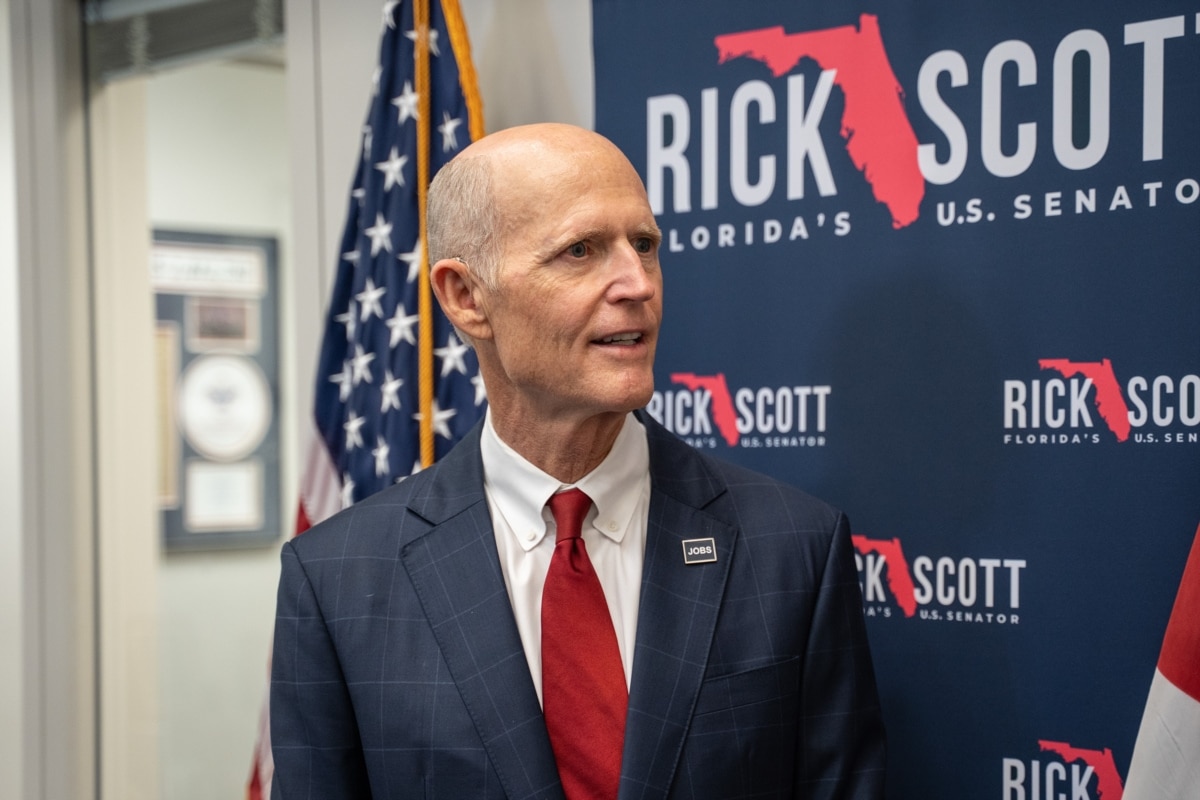
Republican Senator Rick Scott of Florida, who chairs the Senate Armed Services Subcommittee, told Radio Free Europe / Radio Liberty that the White House remains committed to supporting Ukraine and will provide necessary weapons when needed.
European Responses to Ukrainian Requests
As American supplies tighten, Ukraine has turned to European allies operating Patriot systems, including Germany, Poland, the Netherlands, Sweden, Greece, Spain, and Romania.
In early July, then Defense Minister Mykhailo Fedorov requested nearly 40 countries to temporarily transfer Patriot interceptors from their arsenals, offering replacement from future production.
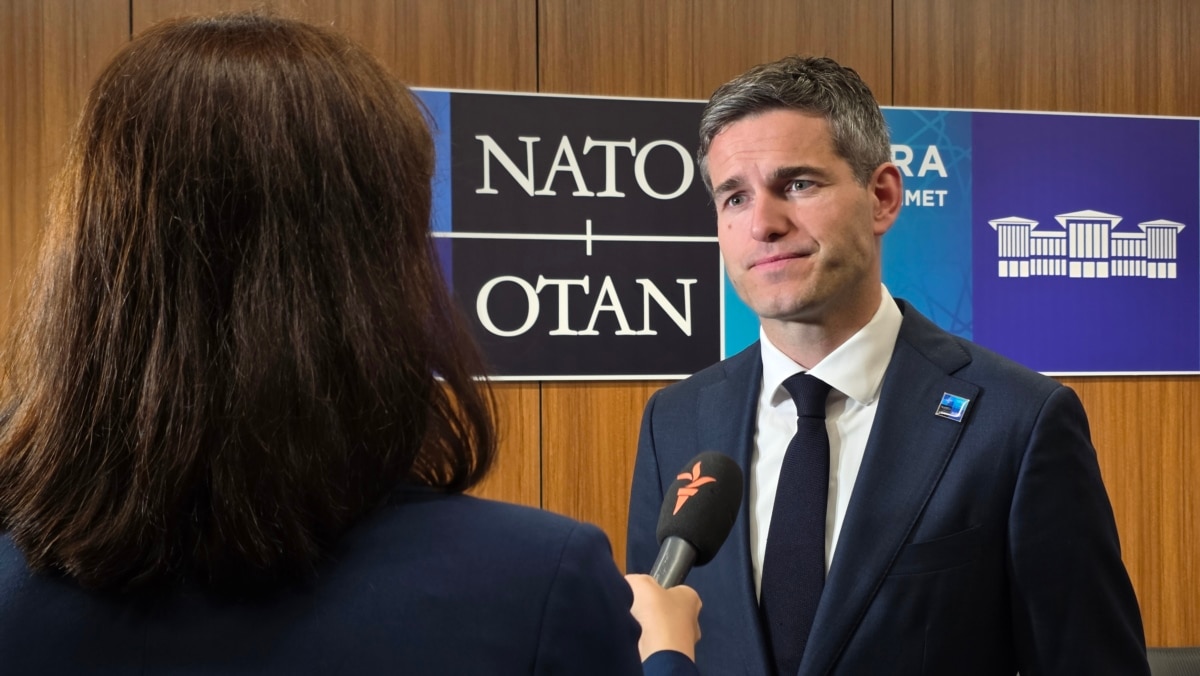
US Ambassador to NATO Matthew Whitaker told Fox News that Washington is exploring joint production of Patriot interceptors with Ukraine and European allies, emphasizing that providing air defense before winter is the top priority.
Following inquiries on August 5, defense ministries from five European capitals responded:
- The German Ministry of Defense declined to comment on specific military support to protect operational security and prevent conclusions about Ukrainian military capabilities.
- The Romanian Ministry of Defense stated that information on support to Ukraine involves national security and is classified.
- The Polish Ministry of Defense stated that all Ukrainian requests are analyzed by the military and defense ministry, noting Poland provides comprehensive support.
- Johan Hjelmstrand, press officer for the Swedish Defense Ministry, highlighted Sweden's recent 108 million dollar contribution to the PURL procurement initiative, bringing Sweden's total PURL funding to 535 million dollars.
- Kees Bakkerhuis, spokesperson for the Dutch Ministry of Defense, stated that the Netherlands has transferred Patriot missiles and cannot provide more from existing stocks, though it remains open to other options to protect Ukrainian airspace. Dutch Foreign Minister Tom Berendsen previously noted the Netherlands had provided all it could from its arsenals.
NATO Secretary General Mark Rutte spoke with President Zelenskyy on August 5 and posted on X that he is discussing with allies how to supply urgently needed air defense systems.
Ukrainian Ambassador to NATO Alona Hetmanchuk was asked for comment regarding negotiations with partner states, with a response pending.