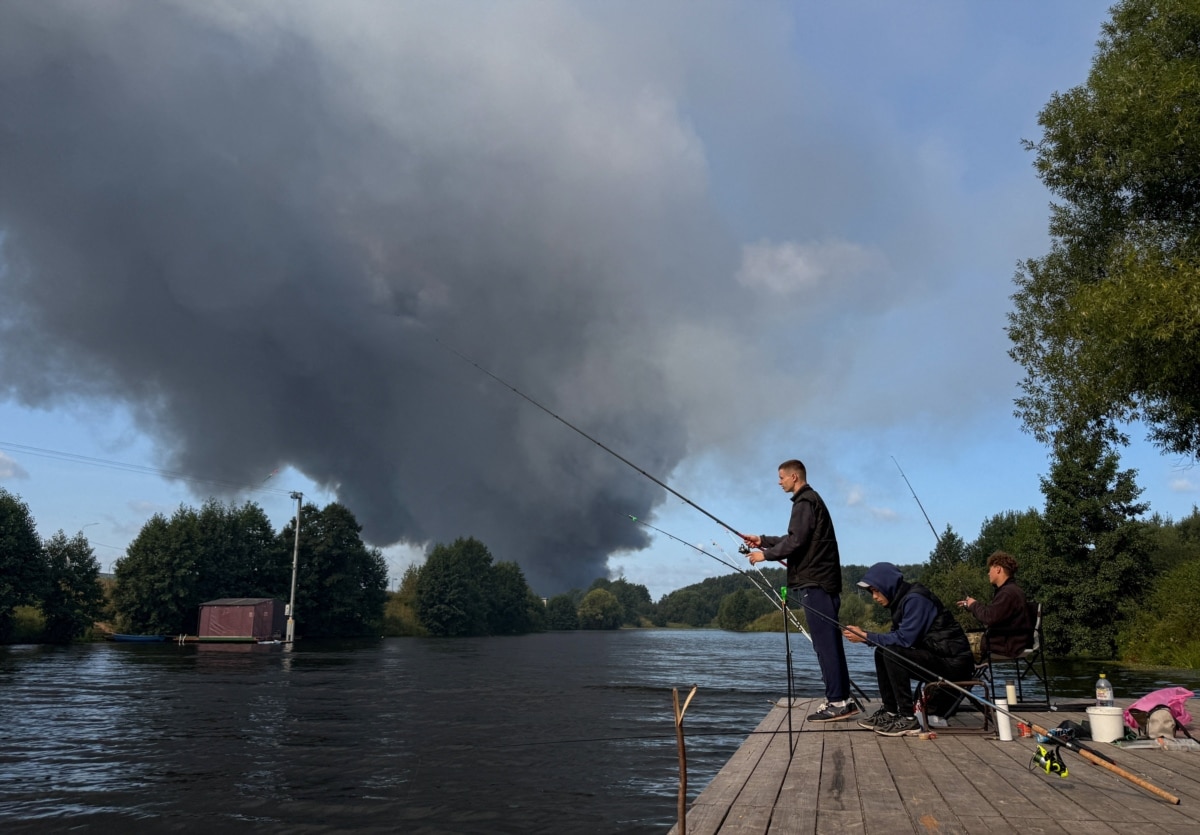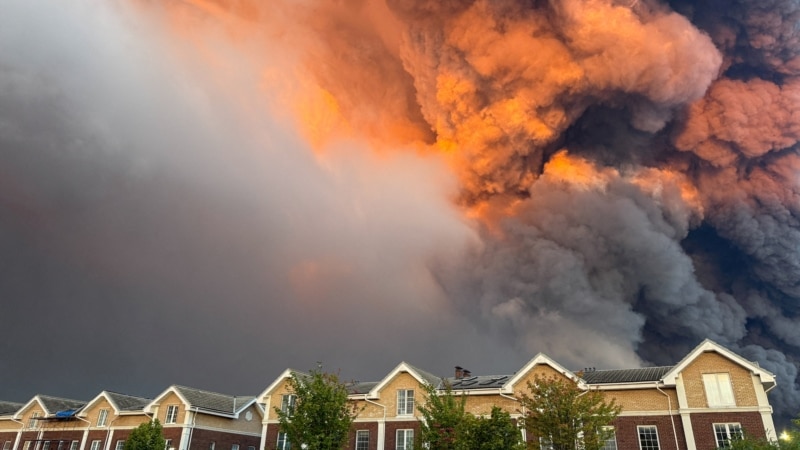
Neither the Kremlin nor Russian military bloggers believe Moscow can fully prevent Ukrainian air strikes, the Institute for the Study of War reported.
In its latest assessment, the U.S.-based defense think tank noted that Russian officials are increasingly shifting the responsibility for air defense onto regional authorities and private commercial enterprises. However, these organizations continue to struggle to counter long-range Ukrainian drones.
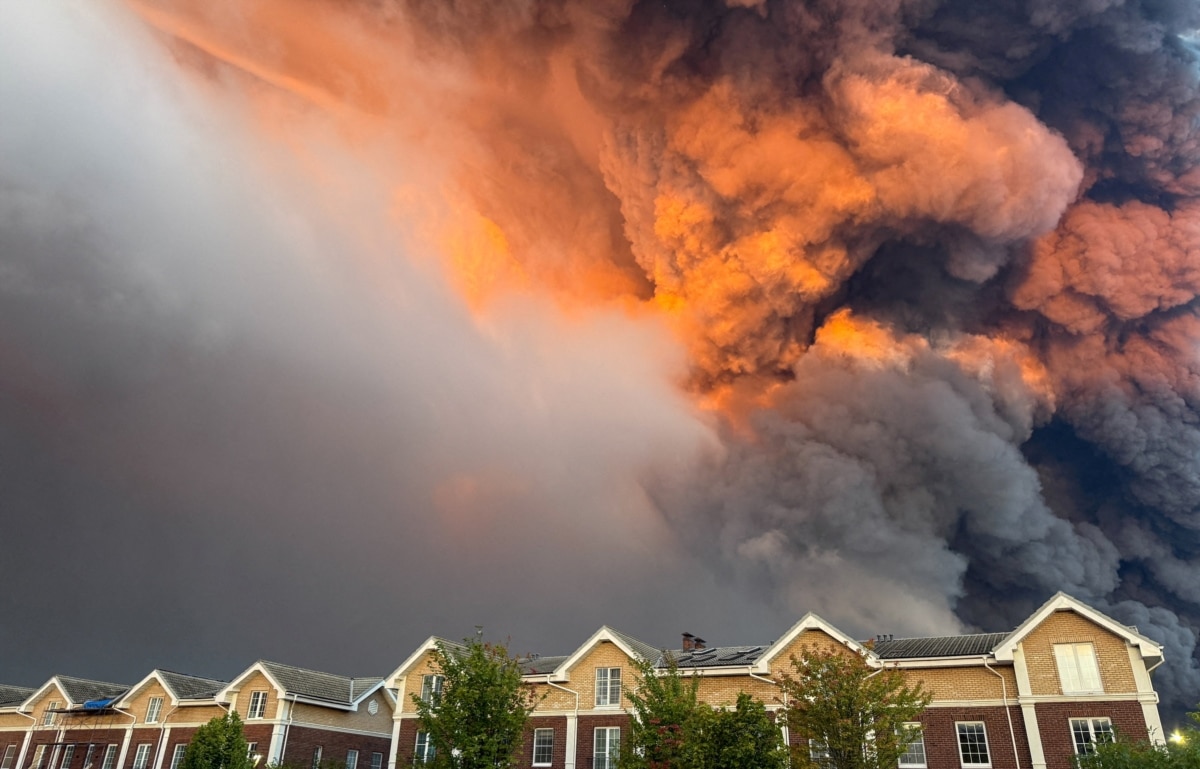
Pro-war Russian commentators have also acknowledged severe ongoing vulnerabilities in Russia's defensive network. ISW highlighted statements from two prominent Russian war bloggers who admitted that officials and private companies hold highly unrealistic expectations about protecting strategic and industrial sites. The bloggers stated that neither commercial facilities nor the Russian military are currently equipped to adequately repel incoming Ukrainian drones and missiles.
On August 19, another Russian military blogger argued that the country must adopt passive protection measures to safeguard industrial assets. The blogger proposed installing specialized anti-drone netting, building protective shelters, and establishing redundant infrastructure to mitigate damage from incoming strikes.
Russian air defense shortages
The Institute for the Study of War assessed that domestic defense manufacturing in Russia is unlikely to meet the country's rapidly growing air defense requirements. Researchers stated that Russian production cannot supply sufficient systems to protect both active front-line positions and the nation's expansive deep rear simultaneously.
According to ISW analysts, the tiered and decentralized approach advocated by Russian officials and commentators will require significant time and financial resources. The think tank added that decentralized defenses would still fail to overcome Russia's vast geographic limitations or fulfill its total defense needs.
Building physical fortifications around major industrial and commercial sites across Russia would also undermine the Kremlin's efforts to maintain a sense of everyday normality for the domestic public, which Moscow has consistently sought to preserve during the conflict.
Ukrainian long-range strike campaign
Air strikes have repeatedly targeted facilities inside Russian territory and within occupied regions of Ukraine since Moscow launched its full-scale invasion. Ukrainian President Volodymyr Zelenskyy recently confirmed a successful strike against an oil refinery in Perm, located in central Russia, while Ukrainian military commanders also confirmed a separate attack on an oil refinery in the Volga region of Tatarstan.
The General Staff of the Armed Forces of Ukraine has confirmed responsibility for most long-range attacks. Ukrainian military officials stated that the defense forces are systematically executing operations to degrade the combat potential of Russian occupation forces and force Moscow to cease its armed aggression against Ukraine.