

Pregnant women in Santo Domingo are being advised to adapt their daily skincare routines rather than abandon skin care entirely, as hormonal changes alter skin sensitivity and increase the risk of hyperpigmentation during pregnancy.
Dr Nathalie Diaz Lazala, an aesthetic doctor and holder of a master's degree in Aesthetic Medicine, explained that while many women are handed long lists of prohibited cosmetics during pregnancy, they are rarely given safe alternatives, turning preventive health advice into unnecessary anxiety.

Hormonal fluctuations during pregnancy extend far beyond abdominal growth, frequently causing heightened skin sensitivity, dryness, stretch marks, and facial dark spots. According to Dr Diaz Lazala, who previously served as president of the Dominican Society of Aesthetic Medicine, pregnant women must evaluate their products individually and suspend specific active ingredients while continuing basic protective care.
Understanding Retinoid Risks During Pregnancy
Among the cosmetic components requiring the closest scrutiny during pregnancy are retinoids, particularly retinol. Retinol is a Vitamin A derivative widely used in over-the-counter anti-aging facial creams and targeted stretch mark treatments to promote cellular turnover and collagen synthesis.
Dr Diaz Lazala pointed out that retinol is considered the primary anti-aging ingredient used on the face, but its use must be suspended throughout pregnancy. She recommended that women consult their healthcare providers to select suitable alternative treatments.
The scientific evidence surrounding topical retinoids is more nuanced than commonly reported. Unlike oral retinoids, which carry a well-documented risk of causing severe congenital malformations when ingested during pregnancy, topical retinoids are absorbed through the skin in only minimal amounts.
Medical studies examining topical retinoid exposure have not demonstrated a significant increase in birth defects. A major cohort study published in 2026, which analyzed more than 3.8 million births across Nordic countries, confirmed no elevated risk of congenital malformations associated with using topical retinoids during the first trimester of pregnancy.
Despite these findings, the authors of the 2026 Nordic study emphasized that topical retinoids should still be avoided throughout pregnancy as a precautionary measure. Dr Diaz Lazala stressed that women who accidentally use a retinoid product before realizing they are pregnant should not panic. Instead, they should simply stop using the product and discuss it with the medical professional managing their pregnancy.
Checking product ingredients must cover both facial creams and body care items. Stretch marks commonly develop on the abdomen, breasts, and other expanding body areas as skin stretches. To manage these areas safely, Dr Diaz Lazala advised switching to rich moisturizing formulas that are completely free of retinoids.
Managing Sensitive Skin and Glycolic Acid

Retinol is not the only ingredient requiring careful management during pregnancy. Hormonal shifts during this delicate stage cause the skin to react much more easily to external substances and active chemical compounds.
Dr Diaz Lazala explained that while certain chemical exfoliants are not subject to an absolute medical ban, caution is necessary when using potentially irritating ingredients such as glycolic acid. Glycolic acid is an alpha-hydroxy acid frequently used in chemical peels and exfoliating serums to dissolve dead skin cells.
Because hormonal changes significantly heighten skin sensitivity, Dr Diaz Lazala noted that any major modification to a skincare routine should be customized based on individual skin characteristics and patient needs rather than adopting generic commercial advice.
Sun Protection and Preventing Melasma
Facial dark spots represent another major cosmetic concern for pregnant women. Melasma, a skin condition characterized by blotchy hyperpigmentation on the face often called the mask of pregnancy, can emerge or darken significantly due to pregnancy hormones.
To combat melasma, Dr Diaz Lazala emphasized that rigorous photoprotection is essential. Sun exposure and ultraviolet radiation are primary triggers that exacerbate facial hyperpigmentation and accelerate premature skin aging.
The former aesthetic society president recommended using physical mineral sunscreens rather than chemical filters. Mineral sunscreens contain active ingredients such as zinc oxide or titanium dioxide, which create a physical barrier on top of the skin to reflect ultraviolet rays away from the body without being absorbed.
Hydration for Stretch Marks and Changing Body Areas
As the body expands during pregnancy, maintaining adequate skin hydration becomes a vital daily practice. Dr Diaz Lazala recommended applying hydration products consistently across the face, neck, and stretching body areas.
Effective skincare routines can incorporate moisturizing formulas featuring ingredients like hyaluronic acid, a naturally occurring humectant capable of retaining large amounts of moisture in skin tissue. Such products should be selected to match each woman's specific skin profile.
While proper hydration cannot guarantee that a woman will avoid stretch marks entirely, given that genetic factors, hormonal influences, and physical skin tearing also dictate stretch mark formation, regular moisturizing remains a key protective habit during pregnancy.
Safety Concerns Around Aesthetic Procedures
When considering clinical aesthetic procedures, Dr Diaz Lazala urged pregnant women to exercise even greater caution. Most elective cosmetic procedures are strongly discouraged during gestation.
The specialist explained that procedures are avoided not because evidence proves they cause fetal harm, but because there is a lack of clinical studies establishing their safety in pregnant women. Conducting clinical trials on pregnant individuals is deemed ethically unacceptable by the medical community.
Consequently, invasive aesthetic treatments such as mesotherapy, which involves micro-injecting vitamins and compounds into the skin, and botulinum toxin injections, used cosmetically to relax facial muscles, must be avoided. The same caution applies to medications, and women should refrain from using any product or drug not explicitly prescribed by their doctor.
Safe Alternatives and the Three Pillars of Skincare
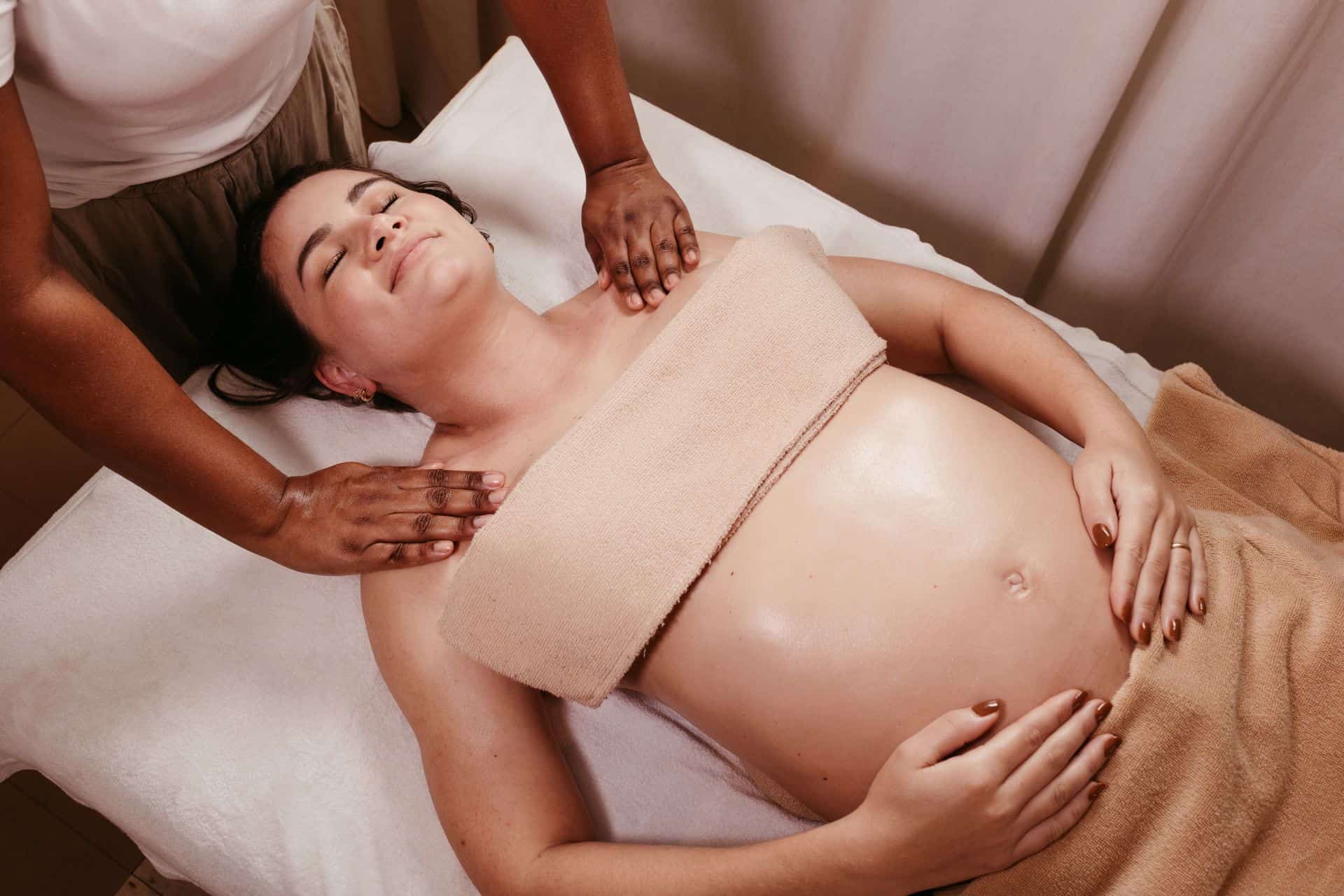
Suspending specific active ingredients and invasive clinical procedures does not mean women must abandon aesthetic care during pregnancy. Safe, adapted alternatives remain available throughout gestation.
Dr Diaz Lazala highlighted that non-invasive treatments, such as gentle facial cleanings and professional hydration therapies, can be safely performed provided the products used are specifically formulated for pregnancy and free of irritants.
To guide expectant mothers, the specialist summarized her skincare strategy into three core pillars: professional evaluation, photoprotection, and hydration. She recommended visiting a dermatologist or aesthetic doctor to design a personalized routine tailored to individual skin conditions.
By taking a prudent approach, checking product labels, avoiding self-medication, and consulting healthcare professionals before starting new treatments, women can navigate physical body changes smoothly without letting cosmetic concerns become a source of anxiety.