
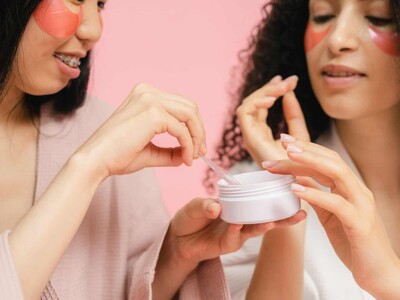
A new study commissioned by French cosmetics brand Novexpert has found that women apply around 500 cosmetic ingredients to their skin every day, more than three times the roughly 150 ingredients used daily by men, and that some of these substances can pass to a baby during pregnancy and breastfeeding.
The findings were presented by Marie Avril, director of Scientific Communication and Training at Novexpert, during the launch of the brand in the Dominican Republic. Avril said people are shaped not only by what they do, eat and wear, but also by what their mothers used on their skin during pregnancy and while breastfeeding.
How the daily ingredient count adds up
Avril said the estimate is based on women using an average of 16 cosmetic products a day, each containing between 20 and 30 different ingredients, adding up to roughly 480 to 500 ingredients daily. Men, she said, use around five products a day with about 30 ingredients each, for a total close to 150.
Avril said that people today pay close attention to what they eat but rarely think about what they apply to their skin, pointing to a general lack of awareness about the impact of cosmetic products on the body.
Ingredients that reach the bloodstream
According to Avril, not all cosmetic ingredients stay on the surface of the skin. Some molecules can be absorbed through the epidermis and the dermis and reach the bloodstream.
She said numerous scientific publications support the presence of these synthetic molecules in the body, including in the breast milk of breastfeeding women. Avril said 100% of women have cosmetic ingredients in their body, though she noted there is still no scientific certainty about how long these molecules remain in the system. What is known, she said, is that concentrations of these substances tend to fall in blood and urine once the use of certain products is stopped.
Concerns over the endocrine system
Avril linked part of the concern around these ingredients to so-called endocrine disruptors, molecules capable of interacting with the hormonal system and altering its normal function.
She said several scientific studies, building on medical warnings issued since 2008, have linked exposure to these substances with a higher risk of:
- Endometriosis
- Premature births
- Congenital malformations in pregnant women
- Delayed cognitive development in children
- Earlier onset of puberty
- A higher risk of obesity in teenagers
Avril cited a study carried out in Switzerland that found traces of sunscreen filters in the breast milk of 95% of the pregnant women examined, a figure she said reflects widespread exposure rather than an isolated case.
She also referred to changes in the age at which puberty begins over the past century. The median age was around 14 in 1920, but by 2020 that average had dropped to 10, she said. Avril said no direct causal link can be established, but that exposure to certain cosmetic ingredients is considered one of the factors that could be influencing the shift.
Novexpert's natural, biodegradable formulas

Based on these findings and the medical recommendations issued since 2008 to avoid certain molecules in cosmetic formulas, Novexpert developed products made entirely from natural, biodegradable ingredients, according to Avril.
Avril said the brand keeps an exclusion list of more than 2,000 ingredients that are not used in its formulas, including synthetic molecules, certain organic molecules and nanoparticles. The nanoparticles are excluded, she said, because of a lack of scientific certainty about how they behave inside the body.
She said this formulation policy has allowed the brand's products to carry a certificate endorsing their use by pregnant and breastfeeding women, though she recommended that women always consult their treating physician as a general practice.