The National Assembly of Regional Governments in Peru has demanded that President Keiko Fujimori and congressional leaders stop lawmakers from threatening regional officials. The association urged national authorities to ensure parliamentary constituency visits are not used to harass local administrators.
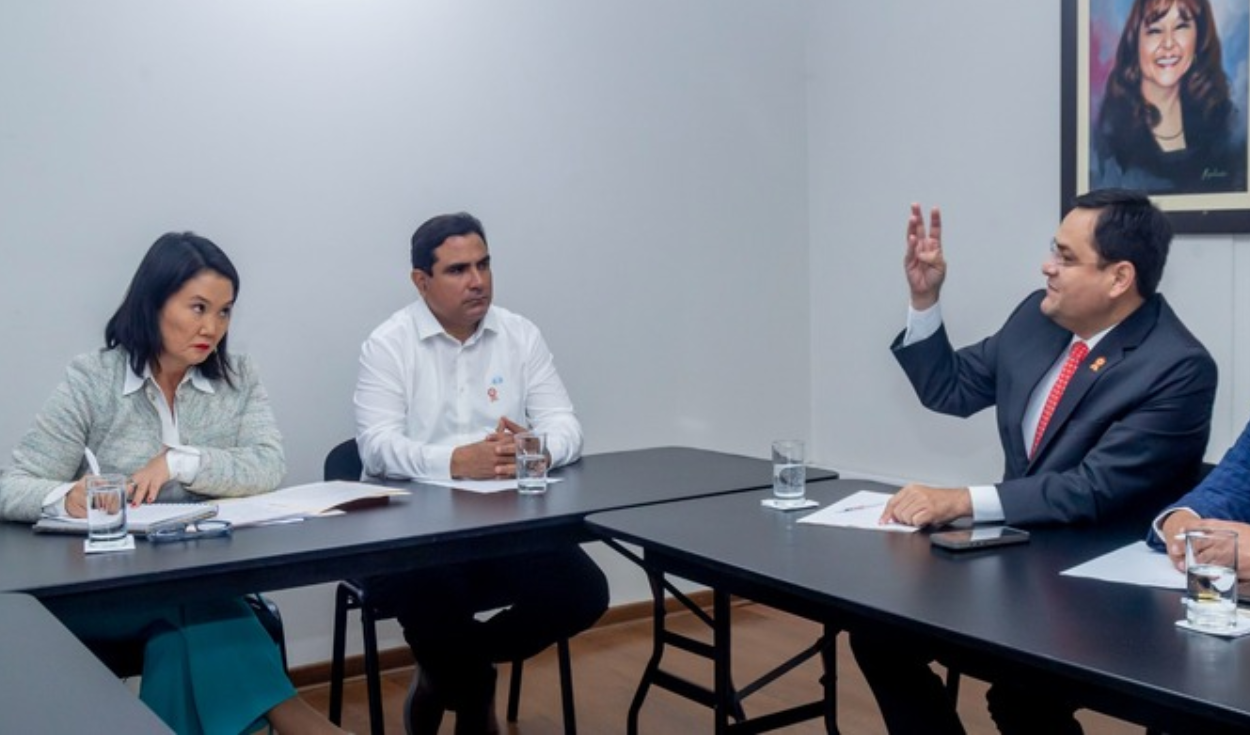
The organization, known as ANGR, issued the demand following a public confrontation between Lambayeque Regional Governor Jorge Pérez Flores and Fuerza Popular Deputy Javier Castro Cruz. The two officials clashed during an inspection of El Niño prevention works at the La Leche river bridge.
Regional Governors Demand Respect
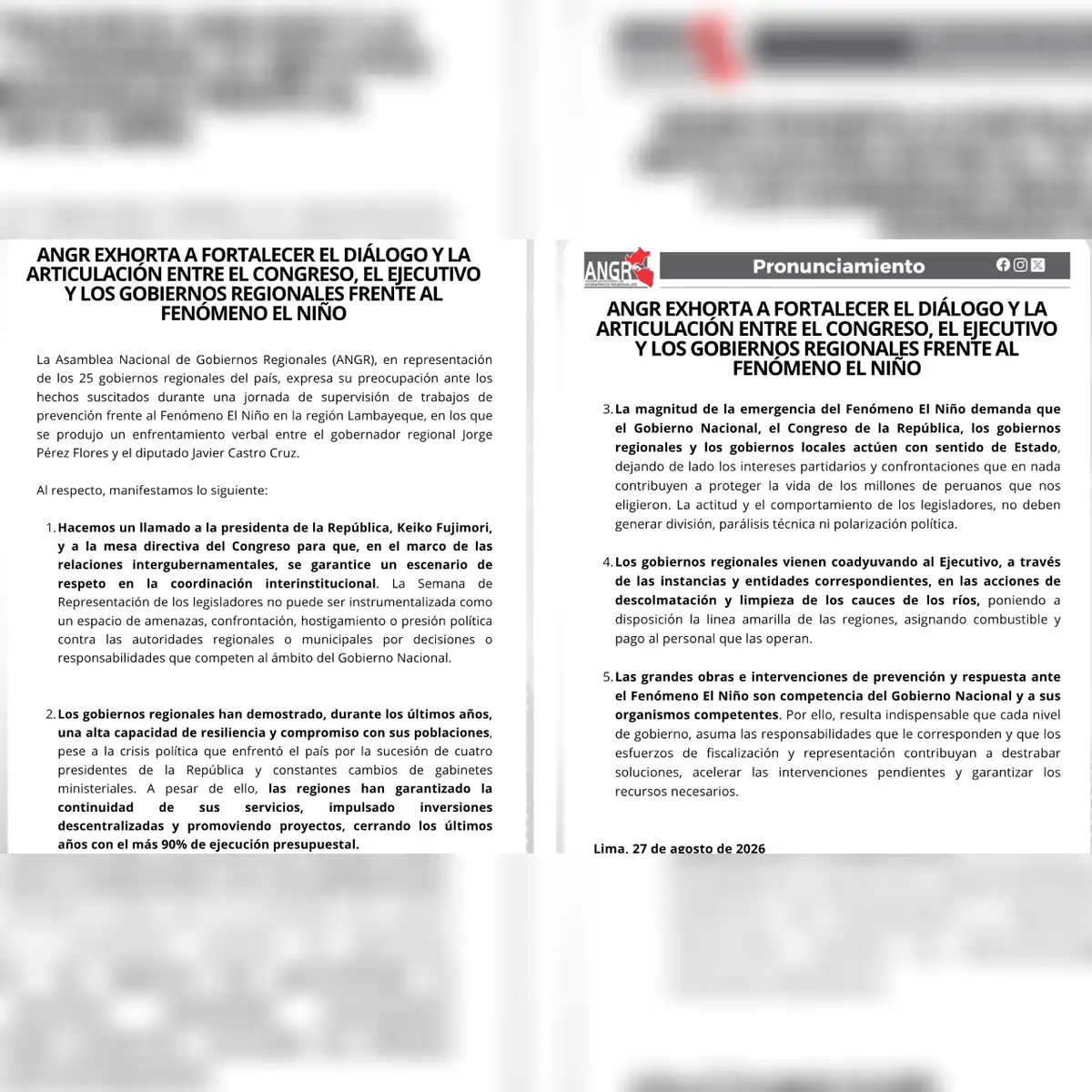
In an official statement, the ANGR called on President Fujimori and the Board of Directors of the Congress of the Republic to guarantee respect in interinstitutional coordination. The group emphasized that congressional Representation Week must not be turned into a tool for threats, confrontation, harassment, or political pressure against regional and municipal leaders.
The assembly stressed that local authorities should not be targeted for decisions or responsibilities that fall under the scope of the National Government. Representation Week is a designated period during which Peruvian lawmakers visit their home districts to inspect infrastructure projects and meet with local constituents.
The ANGR, which represents all 25 regional governments across Peru, urged Congress, regional administrations, and municipalities to act with a sense of State. The association warned that political division and polarization created by lawmakers do nothing to protect citizens during environmental crises.
Bridge Inspection Clash
The political dispute erupted after a video circulated on social media showing a tense exchange between Governor Pérez Flores, representing the Somos Perú party, and Deputy Castro Cruz. The encounter took place during a site visit to monitor flood prevention and desiltation efforts along the La Leche River in the northern region of Lambayeque.
In the video footage, Castro Cruz confronted the governor over alleged delays in disaster prevention tasks along the bridge structure. The deputy told Pérez Flores that he was the father of the region and questioned why desiltation works were only now being carried out after the governor had served more than three years in office.
Castro Cruz stated that he had been informed of an official report regarding the river structure that was completed two years ago. The legislator asked the governor whether the situation concerned him and questioned why he had arrived at the site to complain. Pérez Flores responded by accusing the Fuerza Popular deputy of creating a spectacle.
El Niño Emergency Preparedness
The confrontation occurs amid heightened concerns over the El Niño climate phenomenon, which periodically brings heavy rains, severe flooding, and river overflows to northern Peru. Desiltation projects along key waterways like the La Leche River involve dredging sediment and debris to allow floodwaters to pass safely under bridges during storm surges.
Addressing criticisms of regional administration, the ANGR noted that regional governments have maintained over 90 percent of budget execution in recent years. The association highlighted that regional administrations achieved this fiscal performance despite frequent changes in the national cabinet.
The regional assembly concluded its statement by insisting that the scale of the El Niño emergency requires all branches of government to set aside partisan interests. The group reiterated that political leaders must prioritize safeguarding the lives of the millions of Peruvians who elected them.