

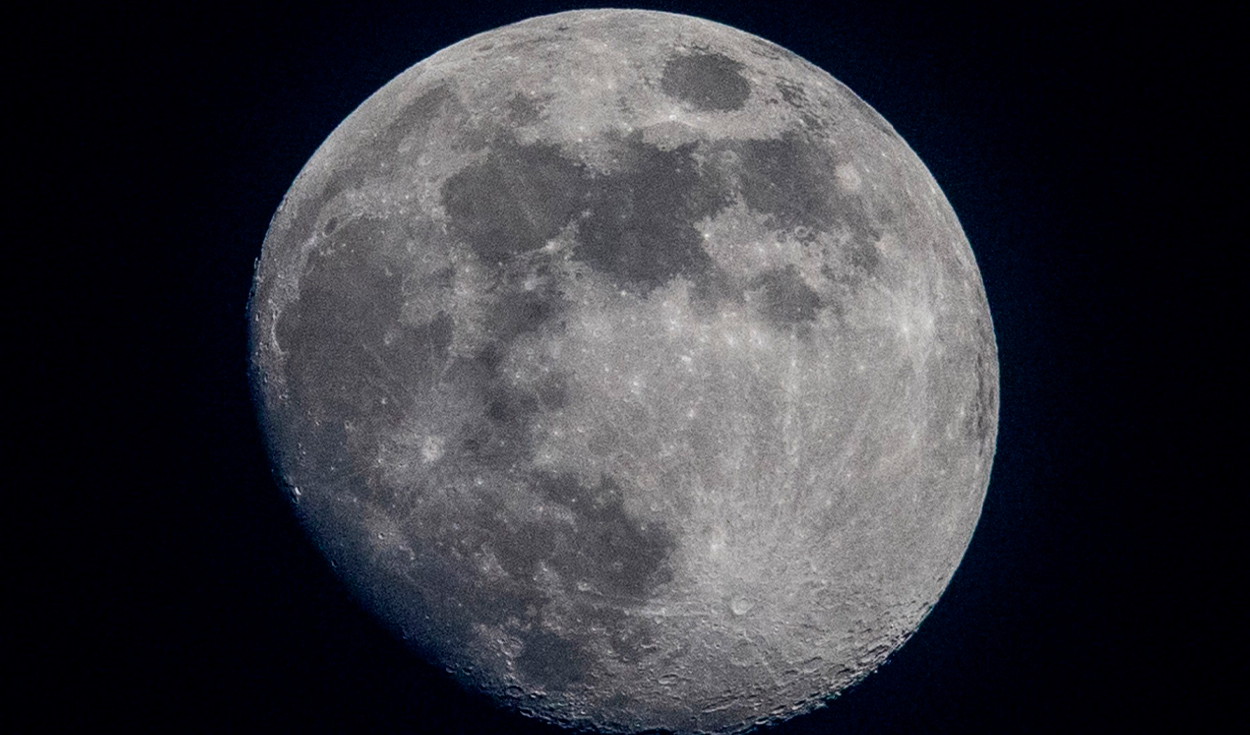
No country on Earth can legally claim ownership of the Moon under an international agreement established during the Cold War rivalry between the United States and the Soviet Union.
The legal framework ensures that despite expanding international ambitions to explore lunar territory, outer space remains free from national sovereignty claims and military placement.
During the mid-twentieth century, the Space Race drove the world's major superpowers to compete for technological dominance beyond Earth. As both nations developed the capability to reach orbit and plan lunar missions, leaders recognized the necessity of global rules to prevent outer space from becoming a new theater of geopolitical conflict.
Cold War legal foundation
The legal ban on lunar ownership was established under the Treaty on Principles Governing the Activities of States in the Exploration and Use of Outer Space, Including the Moon and Other Celestial Bodies, commonly known as the Outer Space Treaty.
The accord was opened for signature in January 1967 and officially entered into force in October of the same year. It became the cornerstone of international space law, establishing fundamental rules for space exploration.
Formulated under the framework of the United Nations during intense Cold War competition, the treaty sought to prevent territorial rivalries from extending off Earth. By establishing binding global standards before human landings occurred, international law affirmed that outer space is a common realm for all nations.
Key rules on lunar ownership and military use
Among its central provisions, the treaty explicitly prohibits any nation from appropriating the Moon or other celestial bodies through claims of sovereignty, occupation, or any other means.
The agreement stipulates that outer space must be explored and used for the benefit and interest of all countries. Consequently, no part of the lunar surface can become the exclusive property of an individual state.
Furthermore, the treaty mandates that the Moon and other celestial bodies must be used exclusively for peaceful purposes. It strictly bans countries from placing nuclear weapons or any other weapons of mass destruction in orbit, installing them on the Moon, or stationing them on celestial bodies.
Celestial bodies include natural objects in space such as planets, moons, and asteroids. The military prohibitions were designed to ensure space exploration focuses on scientific advancement rather than warfare.
Rights and responsibilities for modern missions
The prohibition against territorial claims does not prevent nations or private organizations from conducting exploration, building research installations, or operating on the Moon.
Under international space law, all states retain the freedom to explore and use outer space, provided their activities comply with international agreements.
This distinction is increasingly relevant as countries including China, India, and Japan, alongside private commercial firms, undertake new lunar missions.
The treaty framework also mandates environmental and operational standards. States are required to avoid harmful contamination of outer space and celestial bodies during their activities.
Additionally, nations remain legally liable for any damage caused by their space objects, ensuring state accountability for hardware launched into space.
Therefore, even if a country or private enterprise lands first at a specific lunar site or builds operational facilities, occupation alone cannot legally convert that location into national territory.


