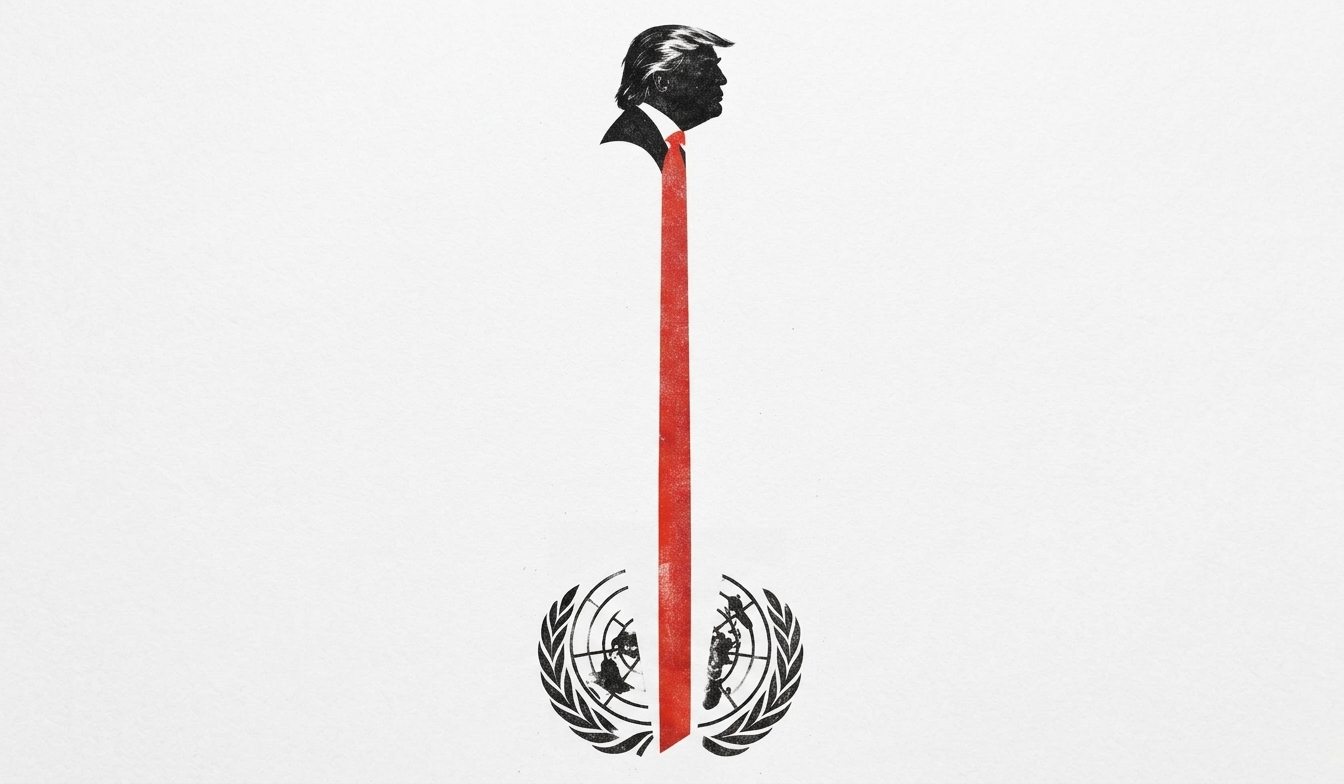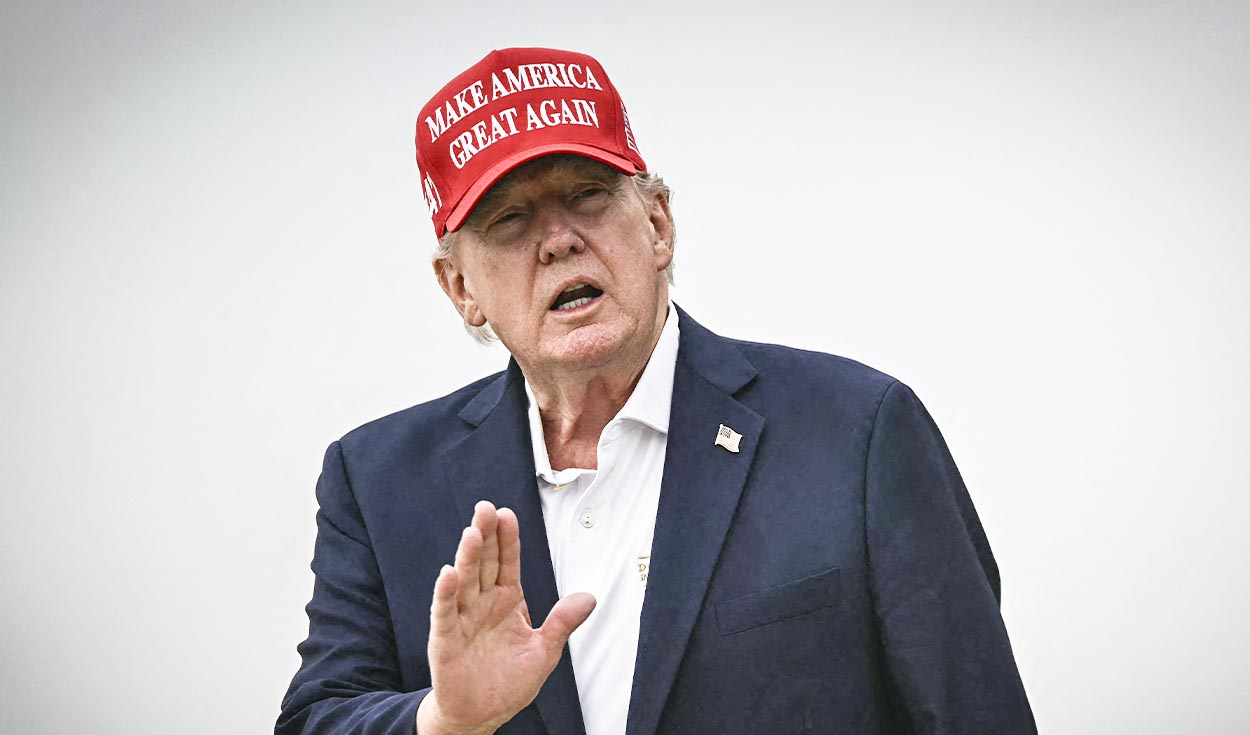
US President Donald Trump has proposed renaming Lake Ontario to Lake America, prompting pushback from border states, according to analyst Mirko Lauer.
The proposal comes after previous efforts by the United States government to rename the Gulf of Mexico to the Gulf of America, a designation that Lauer said has only gained traction in select Washington official documents.
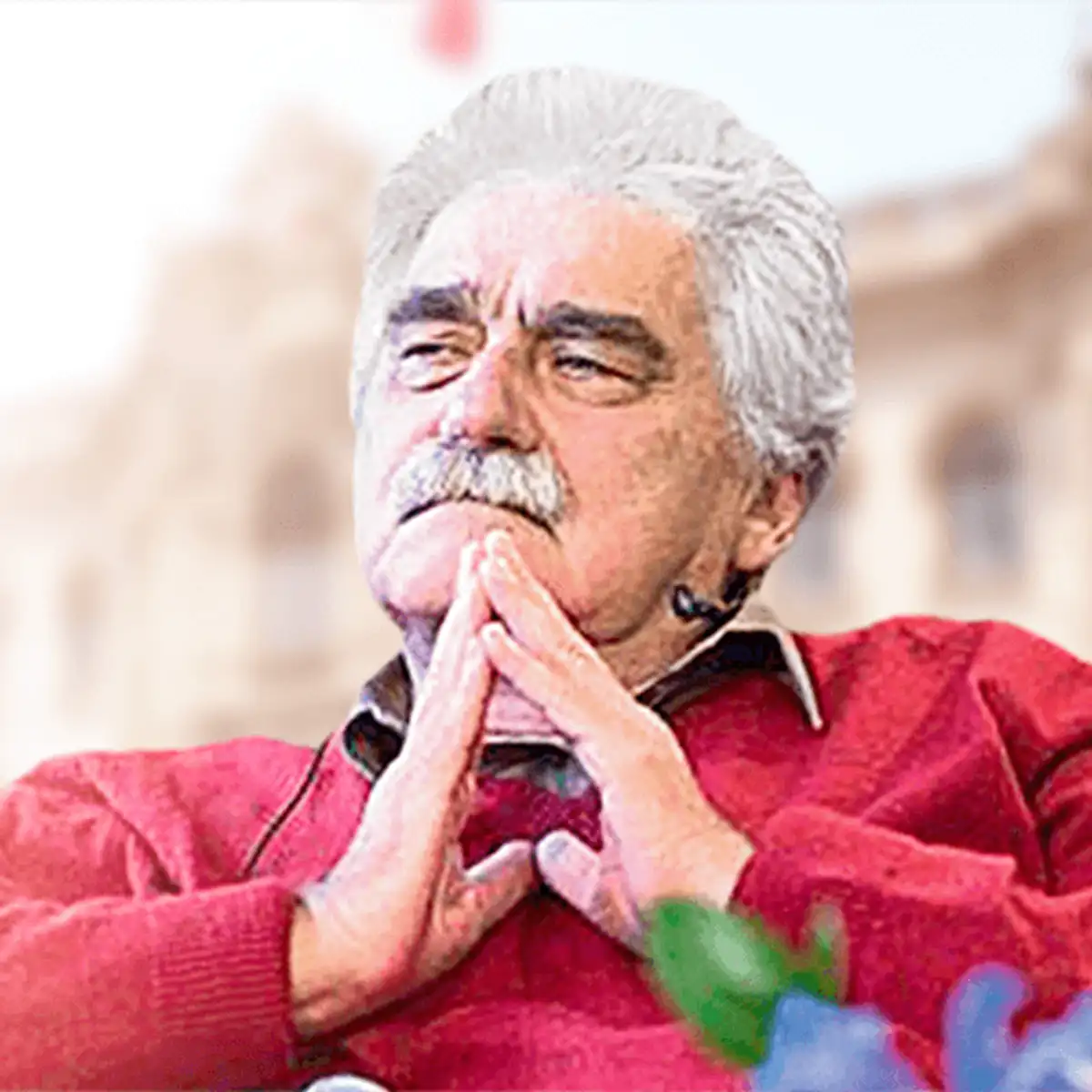
State officials along the northern border with Canada have rejected the plan to rename Lake Ontario, which stands as one of the five North American Great Lakes. The body of water forms a natural boundary between the Canadian province of Ontario and the US state of New York.
The name Ontario originates from an Indigenous language, meaning fine lake or beautiful water, while Mexico derives from Nahuatl roots reflecting Indigenous heritage. Lauer wrote that place names across the Americas reflect either colonial histories or Indigenous traditions, warning that right-wing political movements could seek to erase established Indigenous designations.
Geographic branding and institutional names
Lauer argued that the push to rename geographical features aligns with broader efforts to expand the Trump brand across public spaces and institutions. Previous efforts focused on physical structures such as the John F. Kennedy Center for the Performing Arts in Washington, a major cultural center established as a living memorial to the 35th US president.
The Peruvian commentator, who holds a doctorate from the National University of San Marcos in Lima, noted that stamping the family surname on prominent public sites serves commercial business interests. He described the approach as almost monarchical, comparing it to royal kingdoms where a sovereign's image decorates banknotes, postage stamps, public squares, coins, and official monuments. Lauer added that the approach stems from a belief that visibility brings durability, even for a leader he characterized as a brawler who fails to win his wars.
Looking toward the remaining two years of the presidential term, Lauer suggested that states and major cities originally named by 16th-century Spanish explorers could become targets for renaming. Historic territories such as California, Florida, and New Mexico, alongside cities like Los Angeles and Las Vegas, were established during early Spanish colonization of North America.
Lauer noted that during a final two years in office, presidential efforts could attempt to insert the Trump surname directly into an American state designation.
Imperial propaganda and international names
The column also addressed potential international acquisitions, noting that any future US effort to appropriate Greenland would likely be accompanied by a geographic renaming. Greenland, an autonomous territory within the Kingdom of Denmark, sits between the Arctic and Atlantic oceans.
Lauer warned that altering geographic names transforms natural landmarks into instruments of state propaganda. He cautioned that erasing an unpopular name from public memory often proves far easier than dismantling an unwanted public statue.
Contrasting the current administration with historical precedents, Lauer wrote that 19th-century American presidents generally adhered to the established conventions of a republican state. He argued that current naming efforts represent a departure from long-standing constitutional traditions.
Lauer questioned how far potential renaming efforts might extend in the future, asking whether major international features like the Pacific Ocean could be rebranded as the Ocean of America. He further questioned whether celestial bodies, including the Moon, could eventually be designated as an American satellite.