Election expert Olha Aivazovska warned holding Ukrainian elections during active war without security guarantees risks state failure, speaking in an interview published on August 22, 2026.
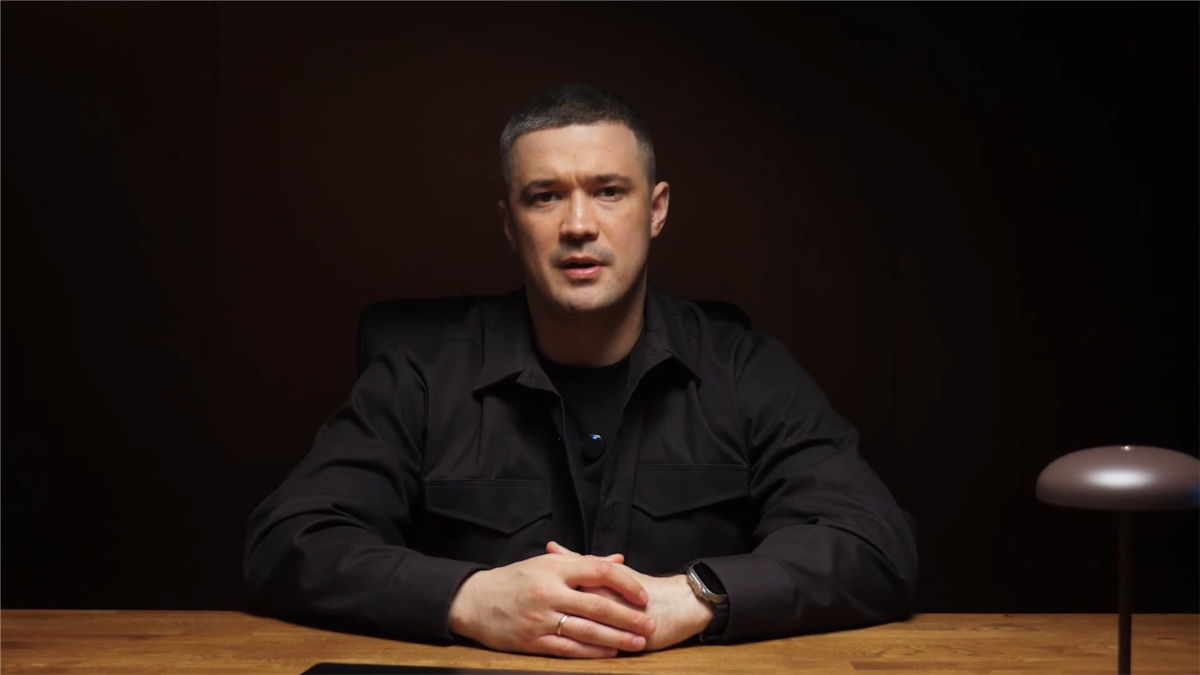
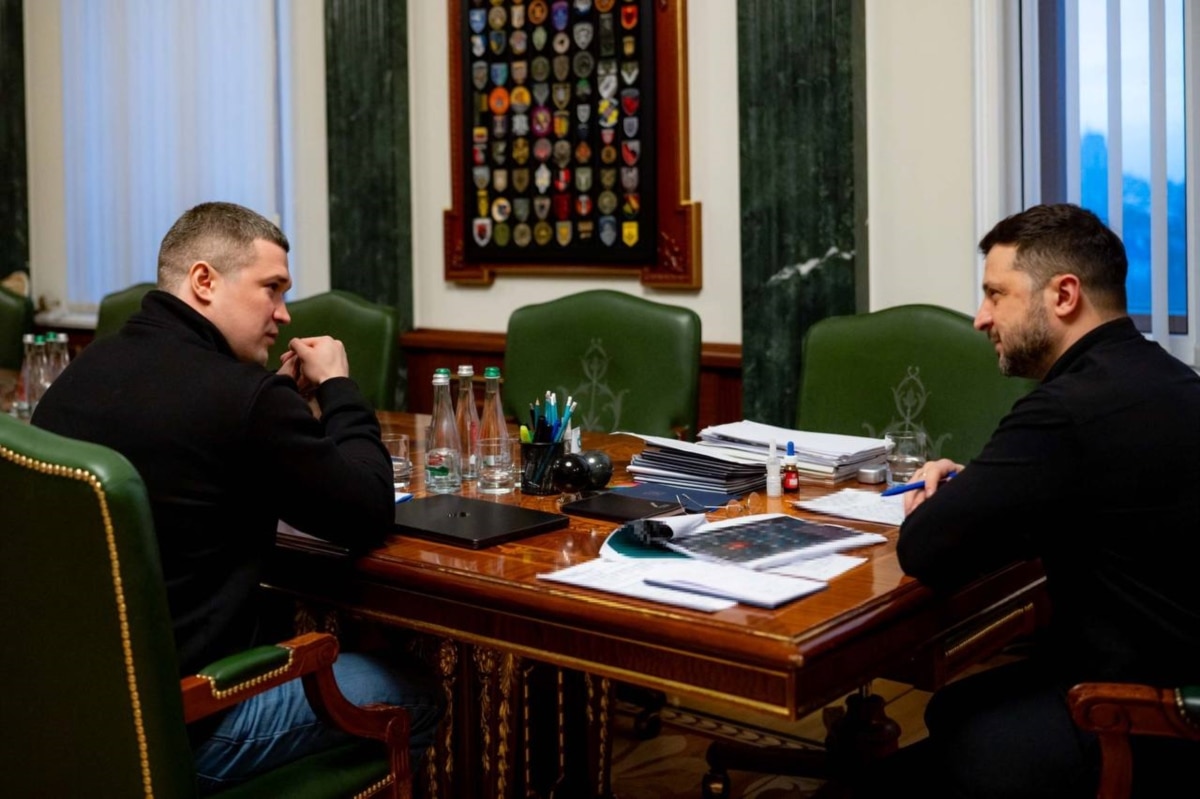
Aivazovska, chair of the board of the Civil Network Opora, reacted to a recent video address by former defense minister Mykhailo Fedorov proposing elections to resolve Ukraine's political crisis. She said that while using elections to resolve a crisis is relevant given ongoing anti-corruption investigations and governance problems, starting a voting process without a clear timeframe creates grave risks for the nation.
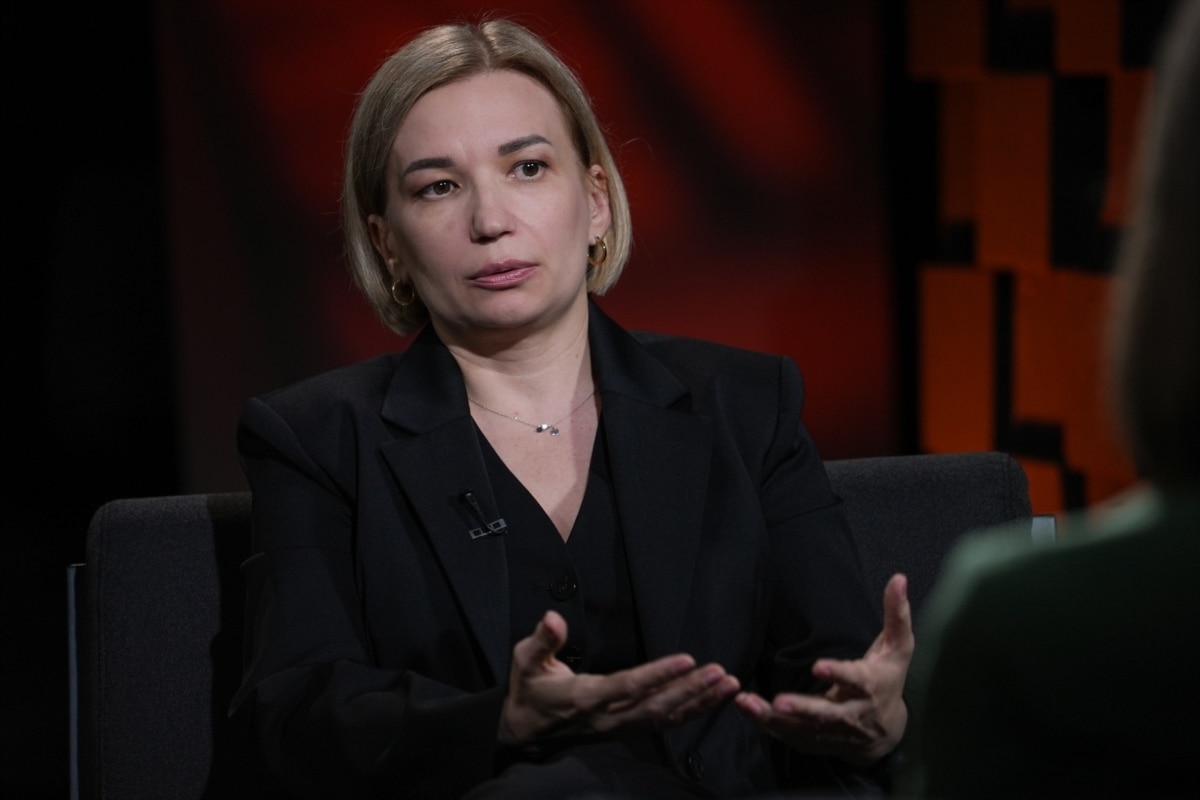
She confirmed that Ukraine is experiencing a natural political crisis caused by seven years of continuous presidential and parliamentary mandates without an electoral reboot. Public trust in state institutions historically drops at the end of five-year terms in Ukraine, regardless of political achievements.
The Civil Network Opora is a non-governmental organization in Ukraine that monitors elections, legislative processes, and public policy. Ukraine holds presidential elections every five years, but regular polling has been suspended under martial law following Russia's full-scale invasion.
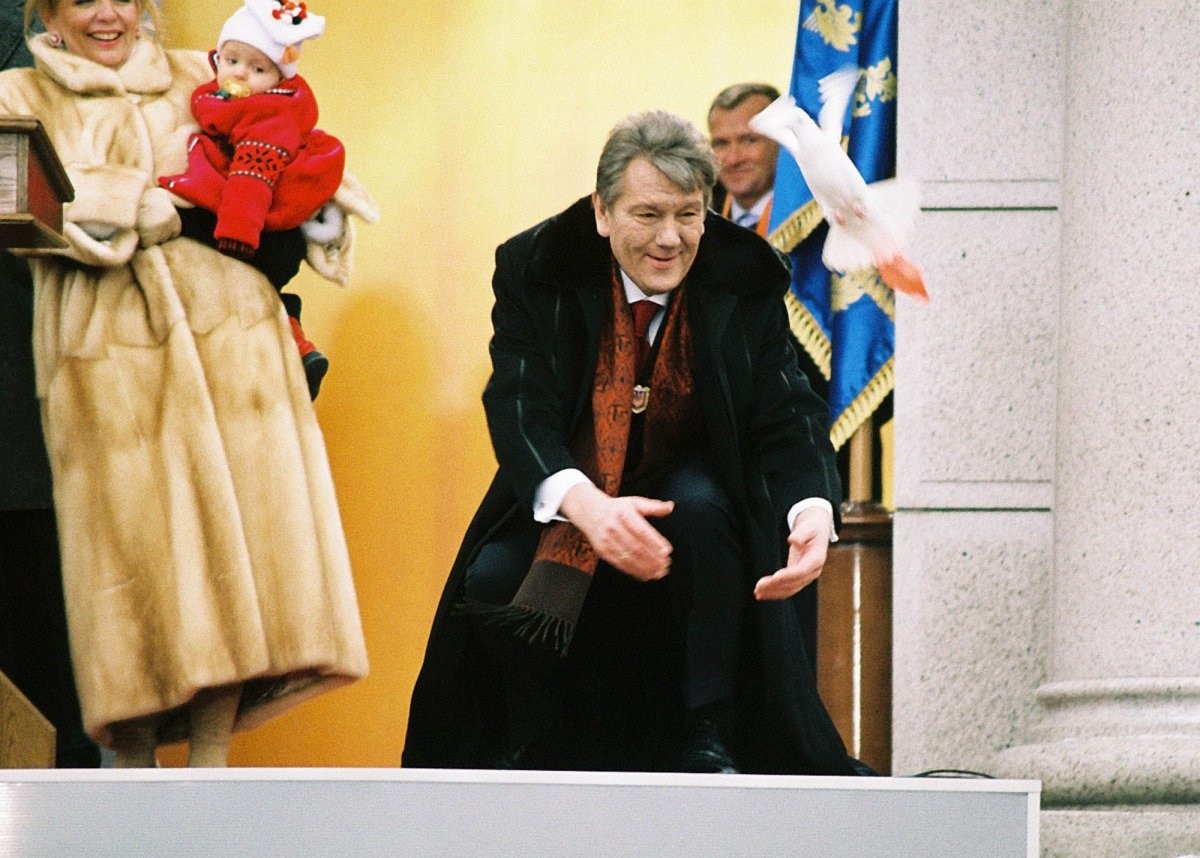
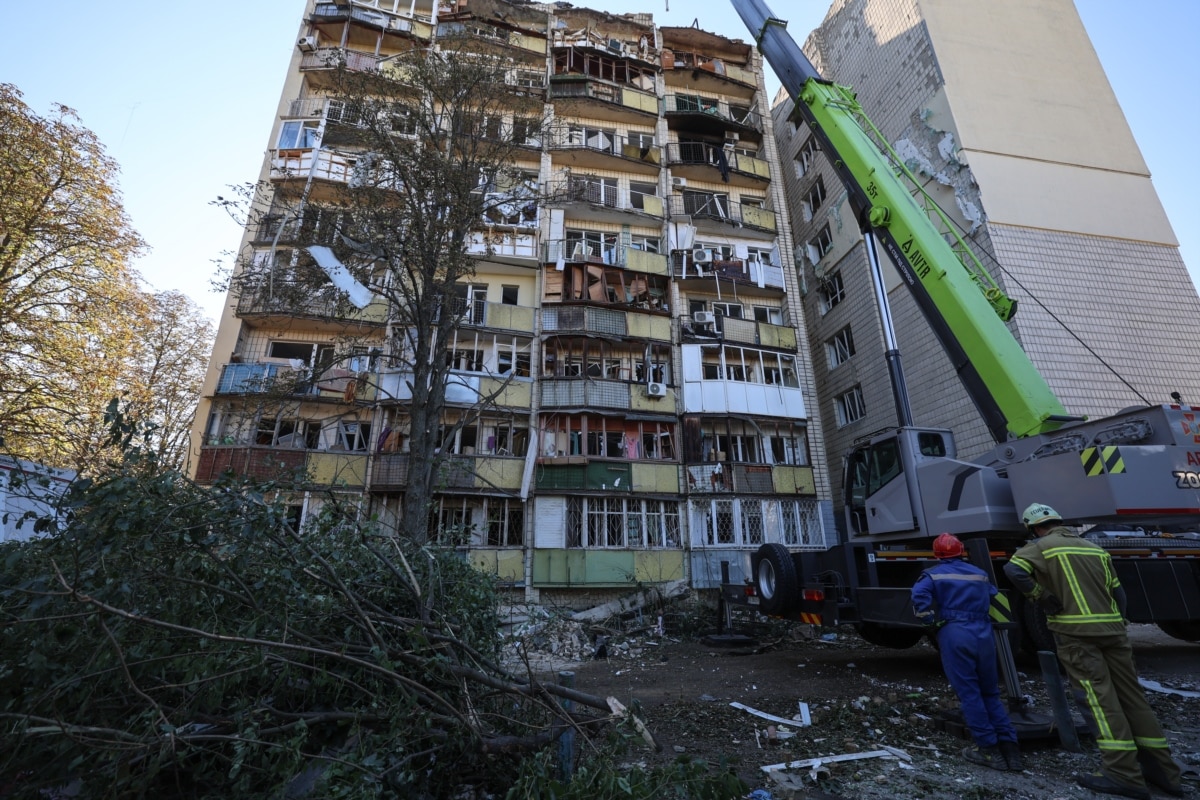
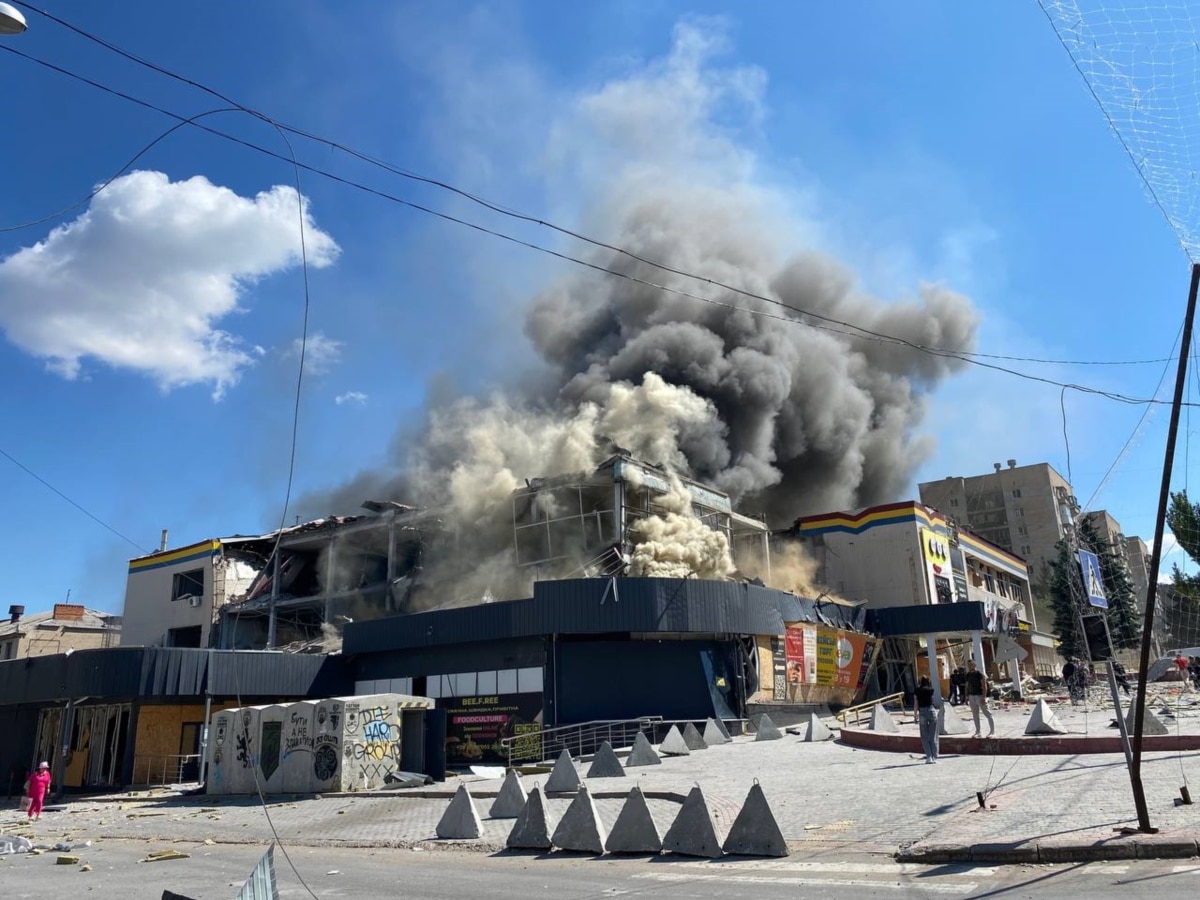
Aivazovska pointed to former president Viktor Yushchenko, whose approval fell to 4 percent by the end of his term despite starting with massive public support after the 2004 Orange Revolution. She noted that current public fatigue is further compounded by relentless Russian attacks, including a deadly strike on the Solomianskyi district of Kyiv and an air bomb attack on a supermarket in Kramatorsk in the Donetsk region on August 20, 2026.
War security and campaign risks
Addressing comparisons with Israel, which conducts elections during military conflict, Aivazovska emphasized that Israel operates under short wars and long truces. In Ukraine, daily shelling and air raid alerts make organizing safe elections across the country extremely difficult.
She warned that Russian forces would target polling stations, candidates, political parties, media outlets, and election monitoring organizations throughout the campaign to discredit or destroy the process.
A complete presidential election cycle requires 90 days for the primary campaign plus three weeks for a second-round run-off, totaling roughly four months. Aivazovska questioned whether Russia could ever be trusted to maintain a four-month ceasefire without launching Shahed drones, FPV drones, or ballistic missiles across Ukrainian territory without demanding concessions on Ukrainian sovereignty.
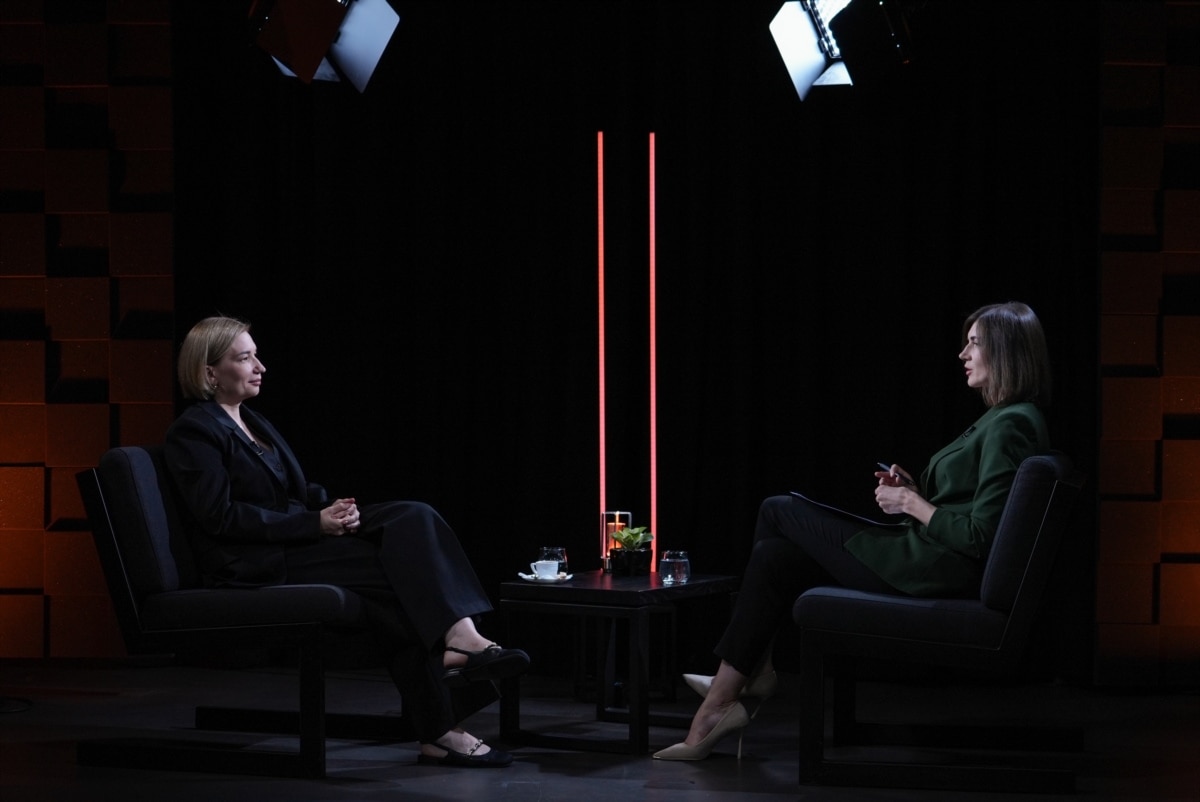
She added that Russian intelligence could scale up existing sabotage tactics, such as placing explosive devices near recruitment centers, police departments, and military vehicles, by a thousand times. If voting day is disrupted or ballots contain deceased individuals, the state risks losing all legitimacy, creating a collapsed state structure where neither incumbent nor new officials can legally issue orders to defense forces.
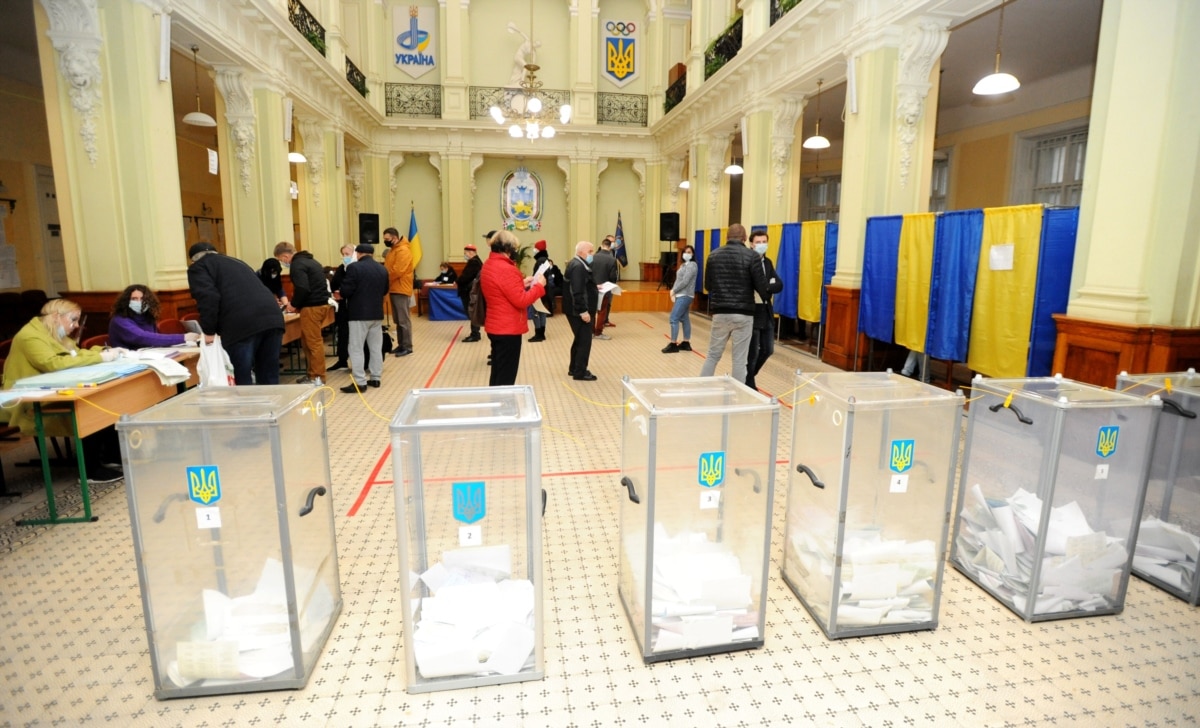
Problems with electronic voting
Aivazovska dismissed proposals to conduct voting through electronic platforms such as the Diia application, calling electronic voting an overhyped bubble. She noted that Estonia is the only country in Europe using internal electronic voting, a system developed over 20 years that cannot simply be copied by other nations.
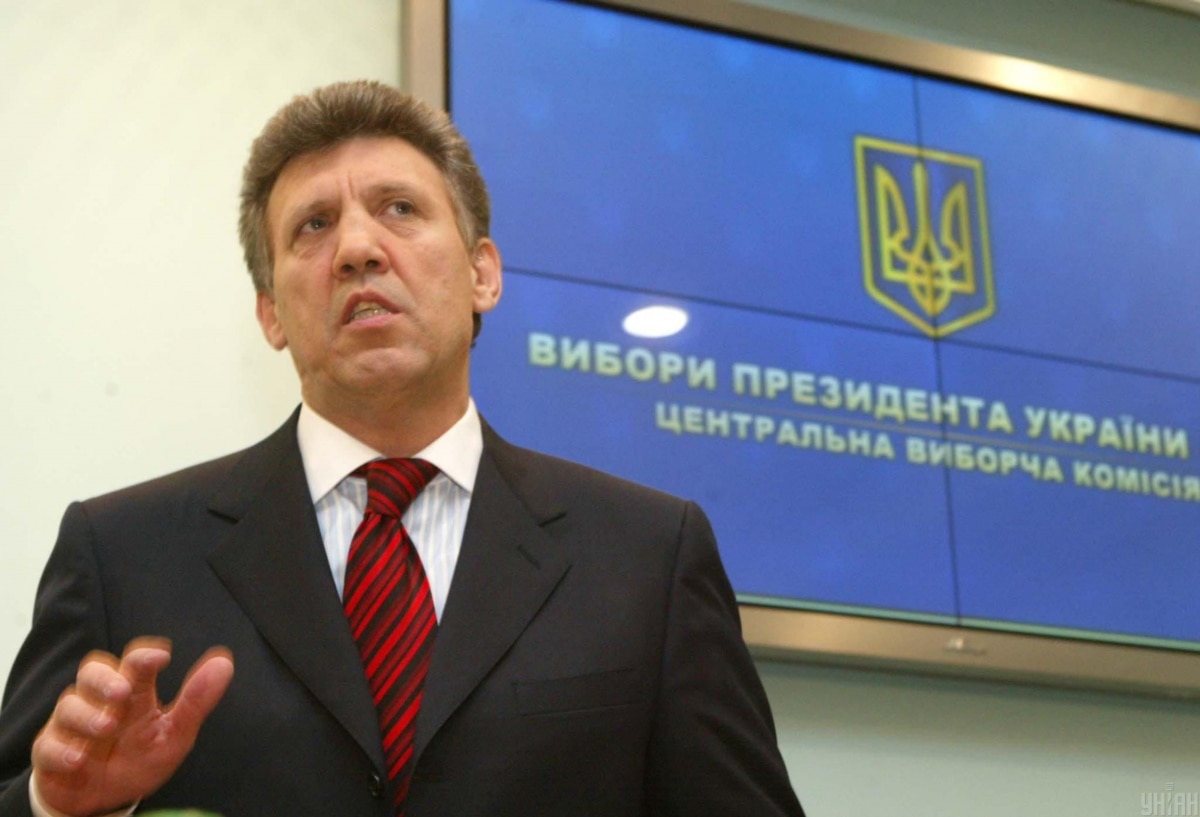
Recalling Estonia's 2007 parliamentary elections, Aivazovska noted that Estonian officials could not comprehend Ukrainian concerns about state-sponsored electoral fraud, which Ukraine experienced during the rigged 2004 presidential elections overseen by former Central Election Commission chairman Serhiy Kivalov.
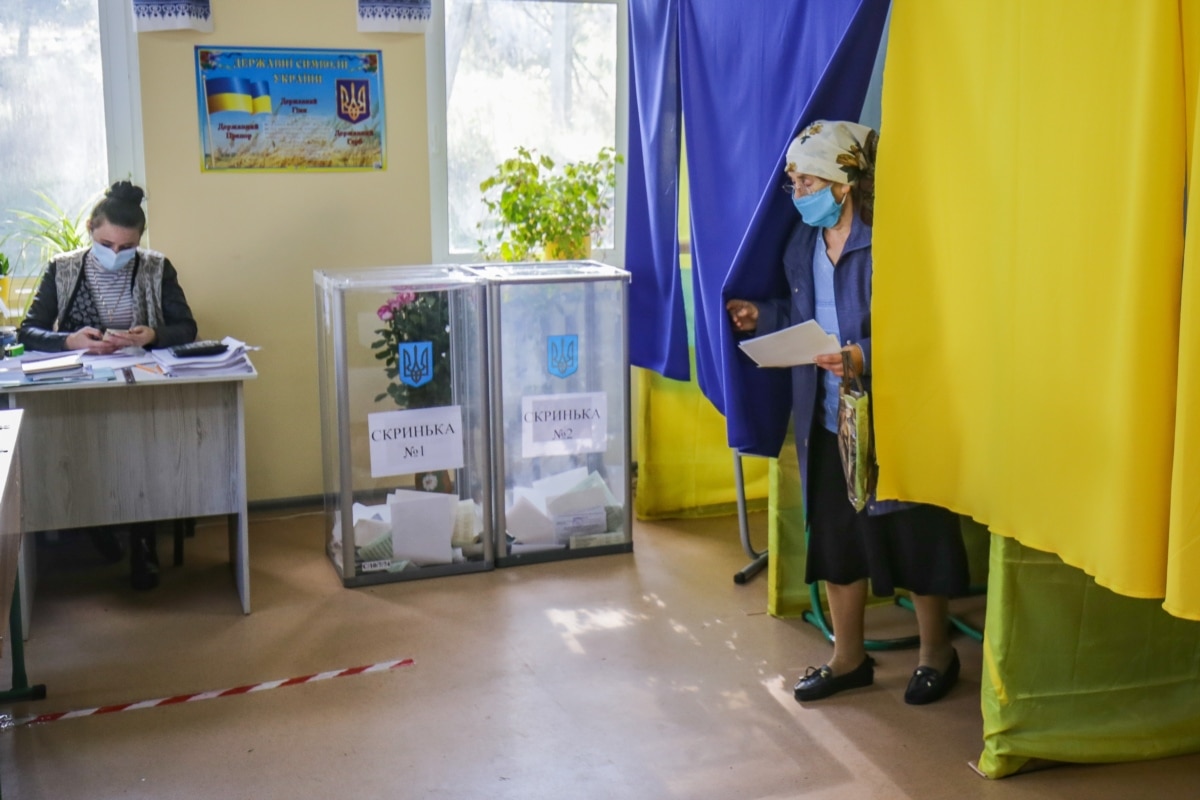
Diia is a digital governance mobile application and web portal launched by Ukraine's Ministry of Digital Transformation. The Central Election Commission of Ukraine is the independent body constitutionally tasked with administering national elections and referendums.
She cited France's decision to abandon electronic voting for overseas citizens due to severe security vulnerabilities and foreign interference threats from Russia. Aivazovska stated that electronic voting requires complete public trust in state authority and an absence of hostile neighbors capable of hacking or discrediting systems.
The fundamental flaw of digital voting lies in compromising the secret ballot, as identifying voters online allows their votes to be tracked. She added that Fedorov himself does not support voting through Diia, and noted that the Central Election Commission lacks the legal authority and technical capacity to administer the Diia platform.
Military voting rights and candidate access
Ensuring voting rights for between 300,000 and 500,000 active servicemen remains an unresolved challenge. Aivazovska revealed that a parliamentary working group on wartime election legislation stalled after peace negotiations halted in April 2026.
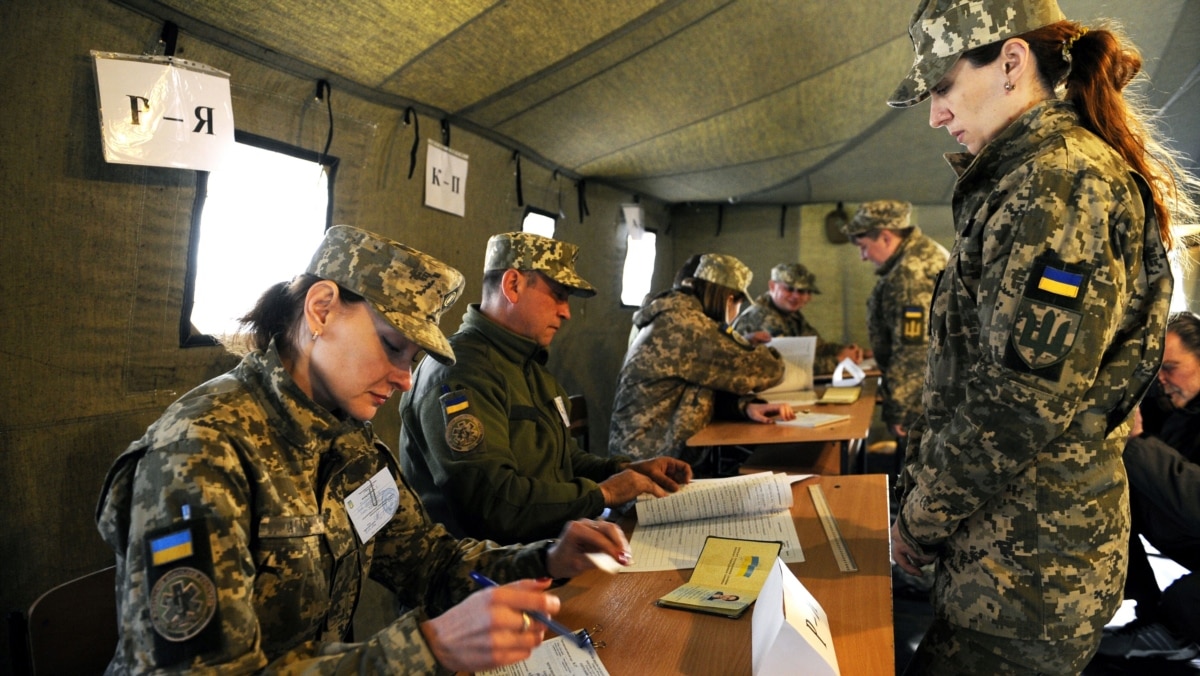
She stated that previous requests sent to the Ministry of Defense under Fedorov to discuss military voting rights received silent refusals because the ministry did not consider elections a priority.
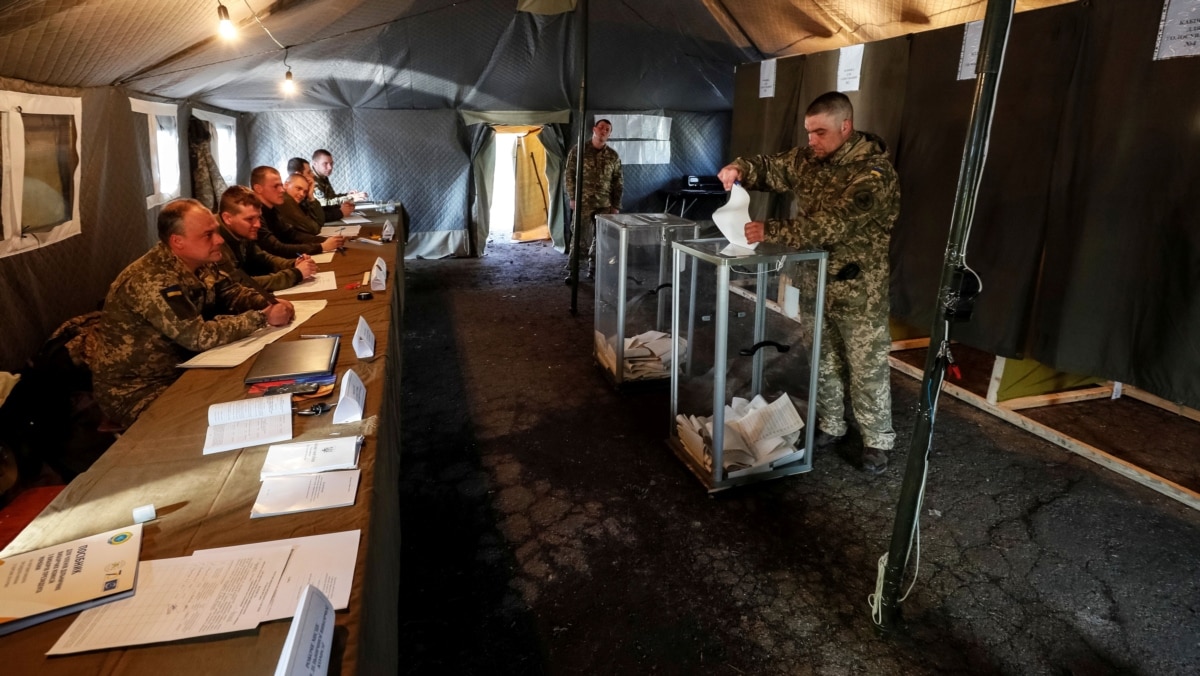
To protect active voting rights, soldiers not assigned to direct combat duties should receive four to five hours of leave to vote at civilian polling stations. Establishing closed polling stations inside military units runs the risk of administrative pressure from commanders forcing troops to vote for incumbent politicians.
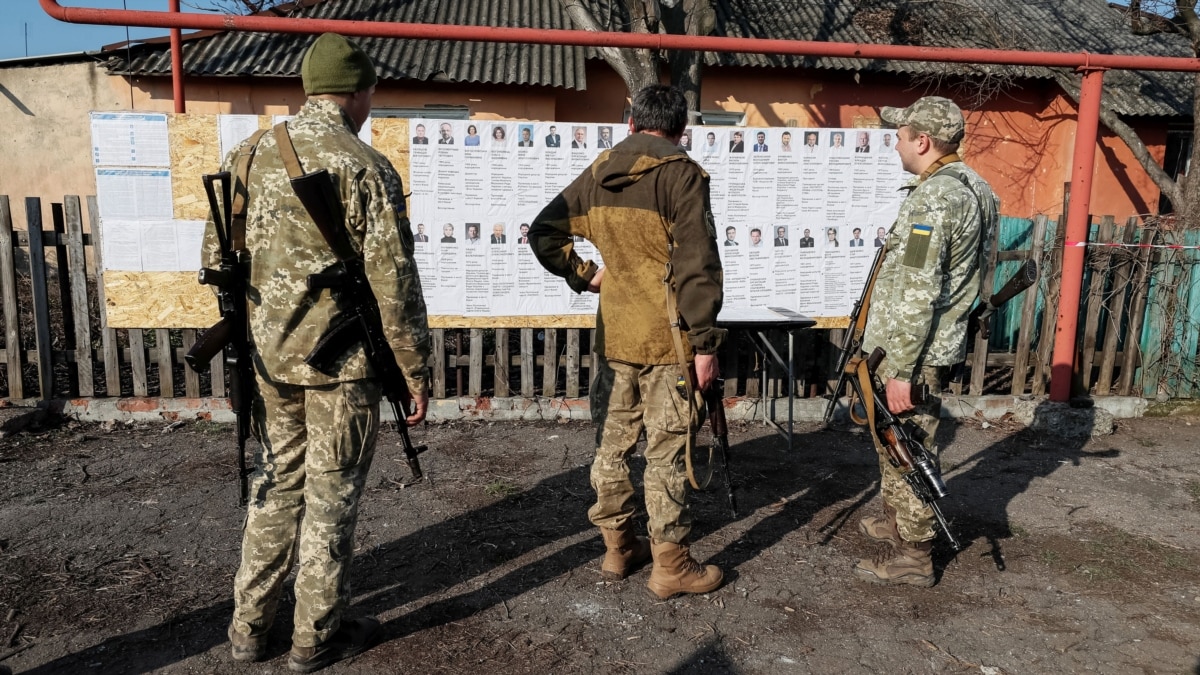
The right of military personnel to run for office is even more complex. Servicemen seeking candidacy must raise a deposit exceeding 3 million hryvnias, collect documents, and travel to Kyiv to submit papers in person to the Central Election Commission.
Aivazovska stressed that commanders must not be permitted to deny leave or block travel to registration venues. Registered candidates would require up to 90 days of leave for the campaign and potential run-off, requiring clear legal regulations to prevent incumbents from using military command structures to disqualify popular service members.
Public opinion and Russian interference
Former minister Tymofiy Mylovanov stated on CNN that elections in 2027 are possible if Ukrainian society demands them, while former foreign minister Dmytro Kuleba argued that political systems must adapt to war conditions just like the economy.
Aivazovska insisted that society alone will determine when elections occur. She revealed that when the President's Office previously considered elections due to favorable ratings, polling showed 70 percent of Ukrainians opposed wartime voting, forcing officials to refocus on defense priorities.
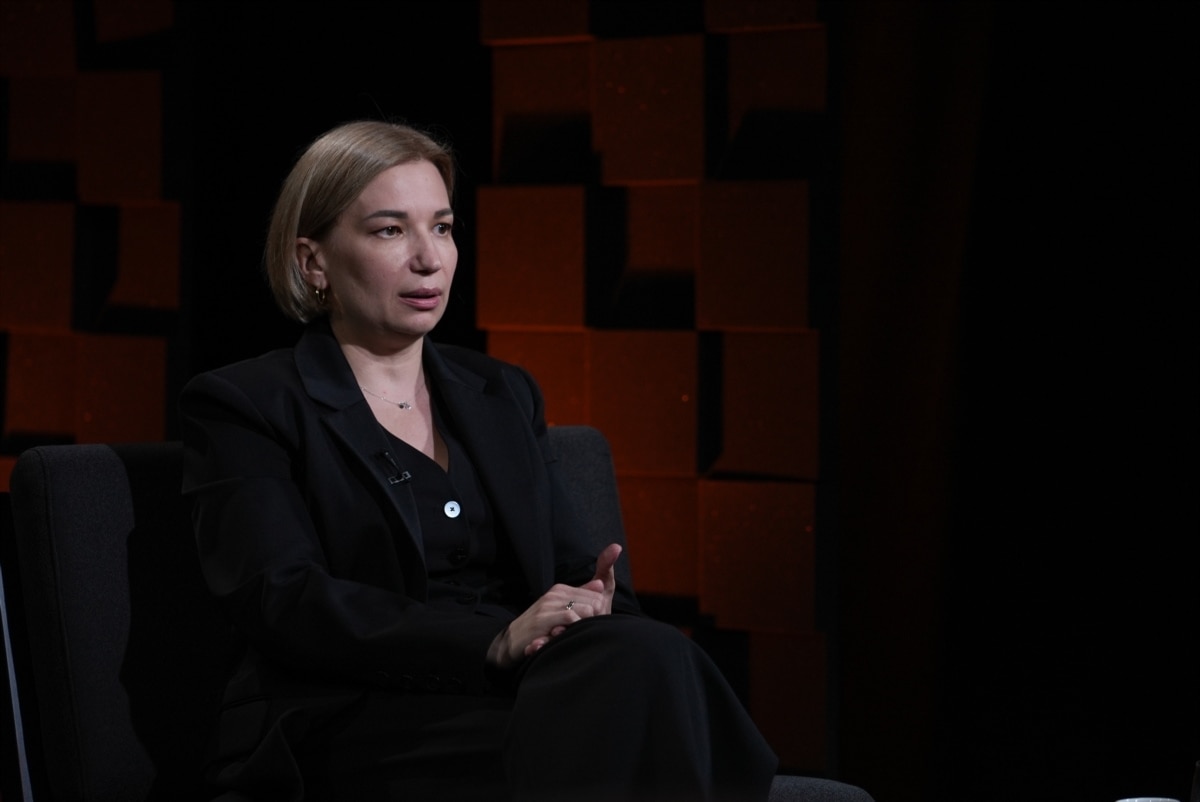
She emphasized that no state institution currently has the constitutional authority to call elections under martial law. Any attempt to schedule elections under current conditions would be unconstitutional.
Aivazovska warned that Russia will 100 percent attempt to interfere in future Ukrainian elections by deepening societal divisions, particularly between Ukrainians living inside the country and those living abroad.
Russian intelligence actively leverages emotional manipulation and artificial intelligence to provoke outrage. She cited a fake social media video from August 19, 2026, featuring an AI-generated non-existent 300-kilogram lawmaker shouting from the parliamentary podium about mobilizing women and fathers of large families, which triggered widespread outrage among users.
Russia will also recruit agents to sabotage election organization, deploy biased international observers, and finance covert pro-peace political parties. Rather than funding openly pro-Russian entities, Moscow will back parties advocating de-escalation and reconciliation that only reveal their true alignment after taking power.