
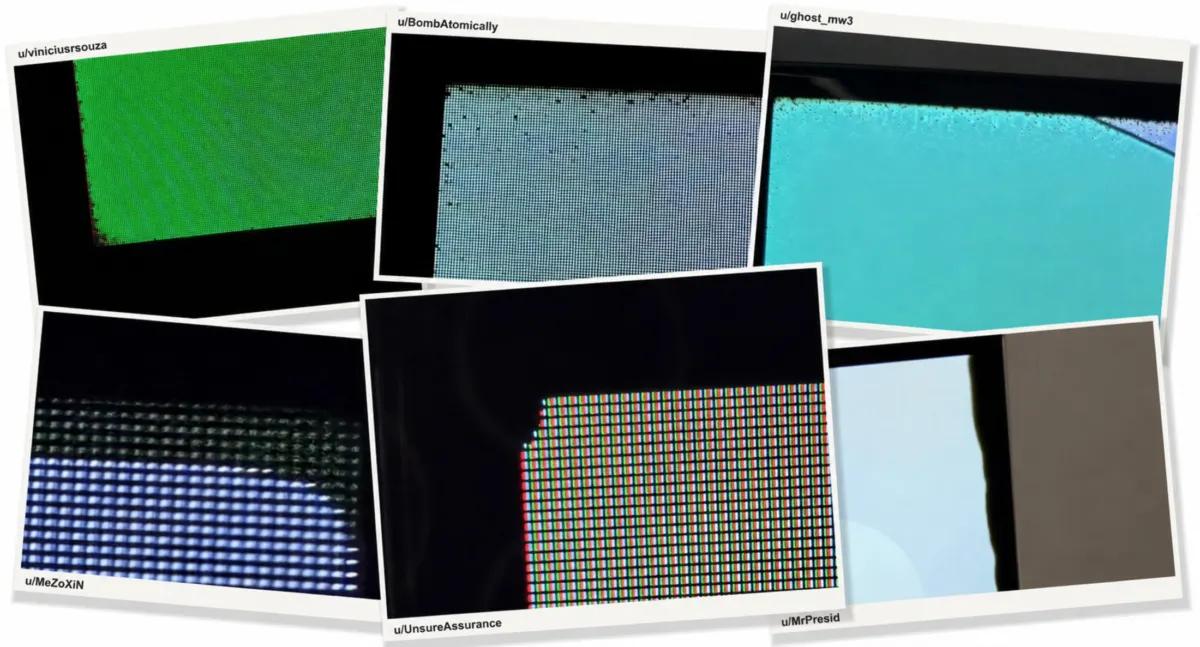
OLED television owners already worry about screen burn-in, but testing firm RTINGS says it has identified a separate and potentially worse defect called Edge Rot, which causes dead pixels to appear along the borders of the display.
RTINGS found the damage in 14 of 16 OLED models it tested as part of a large-scale durability study, meaning the defect showed up in 87.5% of the sample. The televisions tested used WOLED panels, the organic LED technology developed by LG Display.
The testing was accelerated, running the televisions for a combined 18,000 hours, which RTINGS said is equivalent to about 12 years of daily use at four hours a day. Most of the units tested were 2020 to 2022 models built with LG Display panels, and the problem turned up not only in LG televisions but also in sets made by Sony and Vizio.
What Edge Rot looks like
Edge Rot refers to dead pixels, clusters of non-working pixels, and other visible damage that forms along the edges of an OLED screen. In some sets the flaw only showed up on specialized test patterns, while in others the damage was visible during ordinary viewing.
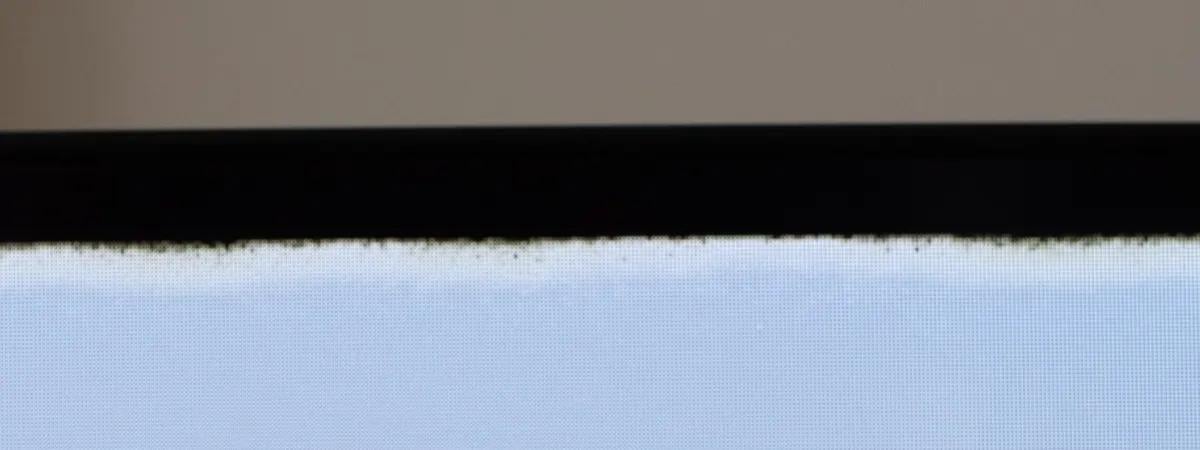
The key difference from burn-in is that Edge Rot cannot be avoided through the usual precautions. Burn-in is typically caused by static images staying on screen for long periods, but RTINGS said the dead pixels at the edges are likely linked instead to how the panels are manufactured and to air getting inside the display.
The older WBC variant of WOLED panels fared worst, with 9 of 10 tested televisions affected. Among sets using the newer WBE panel technology, 5 of 6 showed damage, though RTINGS said it was generally less severe in those cases.
Notably, three televisions built with Samsung's QD-OLED panels showed no similar damage even after 18,000 hours of testing: the Samsung S95B, the Samsung S95C and the Sony A95K. RTINGS cautioned that it is too early to credit QD-OLED technology with an advantage, since the sample of panels tested was very small.
How manufacturers responded
LG Electronics and LG Display confirmed to RTINGS that such defects can occur, but said they involve only a small number of OLED units that were exposed over long periods to high temperatures, high humidity or other unfavorable conditions.

RTINGS said its test results cast doubt on that explanation, noting that some of the televisions that developed similar damage had been used in ordinary household conditions rather than under extreme stress.
It remains unclear how relevant the problem is to current OLED televisions. Panels manufactured from 2024 onward are expected to include reliability improvements, but RTINGS said there has not yet been enough long-term testing of the newer generation of displays to confirm whether those changes solve the issue.
What the findings mean for buyers
RTINGS stressed that the 87.5% figure should not be read as the probability that any given OLED television will develop the defect, since the study covered only 16 models, most of them from older generations. Even so, the firm said the results show that burn-in is far from the only issue shoppers should keep in mind when buying an OLED television.