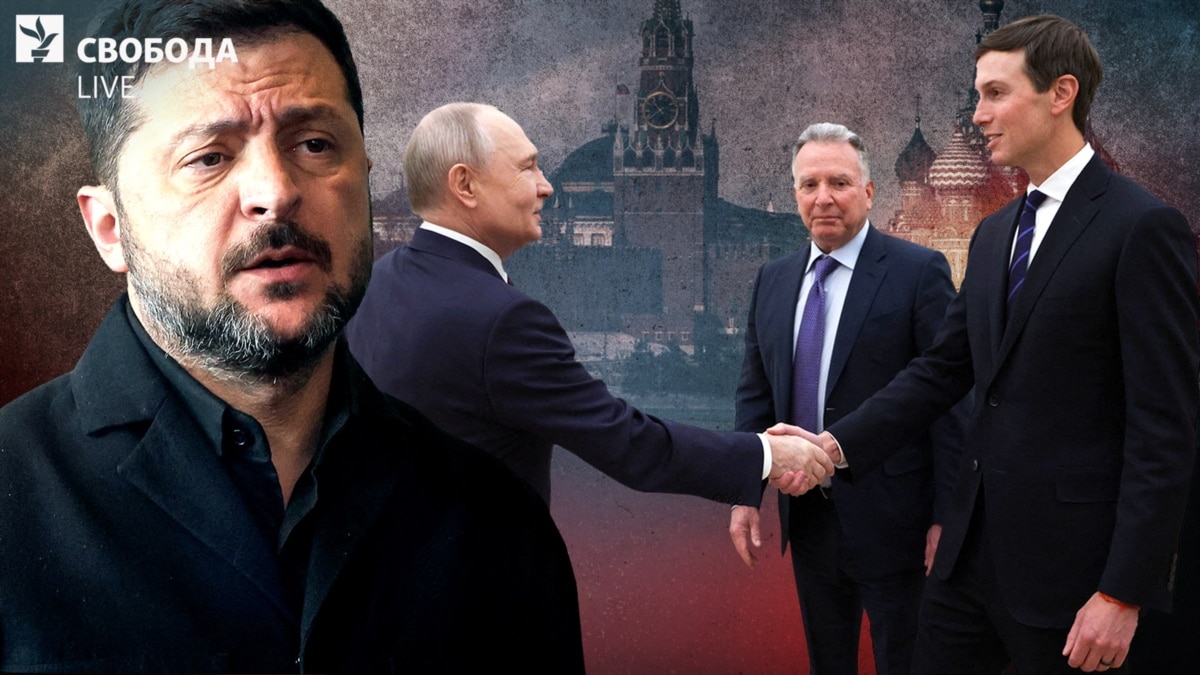
The Kremlin has cast doubt on claims from the United States that Russian President Vladimir Putin agreed to let European representatives join the next round of talks on ending the war in Ukraine. Kremlin spokesman Dmitry Peskov said any decision to expand the talks would depend on what Moscow itself decides.
Envoys for US President Donald Trump, Jared Kushner and Steve Witkoff, announced on November 12 that they had secured Putin's agreement to broaden the negotiations to include European countries. But a day later, on November 13, Peskov did not confirm that account.
"As soon as we understand their sincere intention and readiness to contribute to the peace process, then a decision can be made on holding the dialogue on the Ukrainian settlement in an expanded format," Peskov told reporters.
European participation could strengthen Ukraine's position by drawing its allies directly into discussions on the continent's security. Putin continues to demand full Russian control over four Ukrainian regions that Moscow claims to have annexed, and he rejects the deployment of foreign peacekeeping forces in Ukraine.
Europe prepares its negotiators
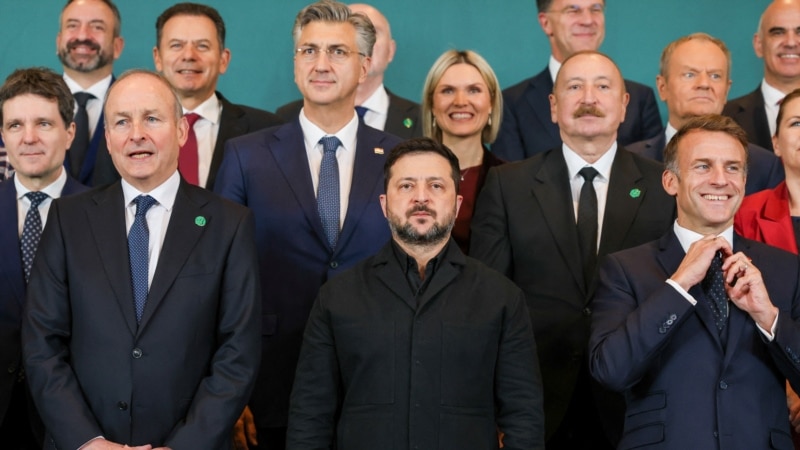
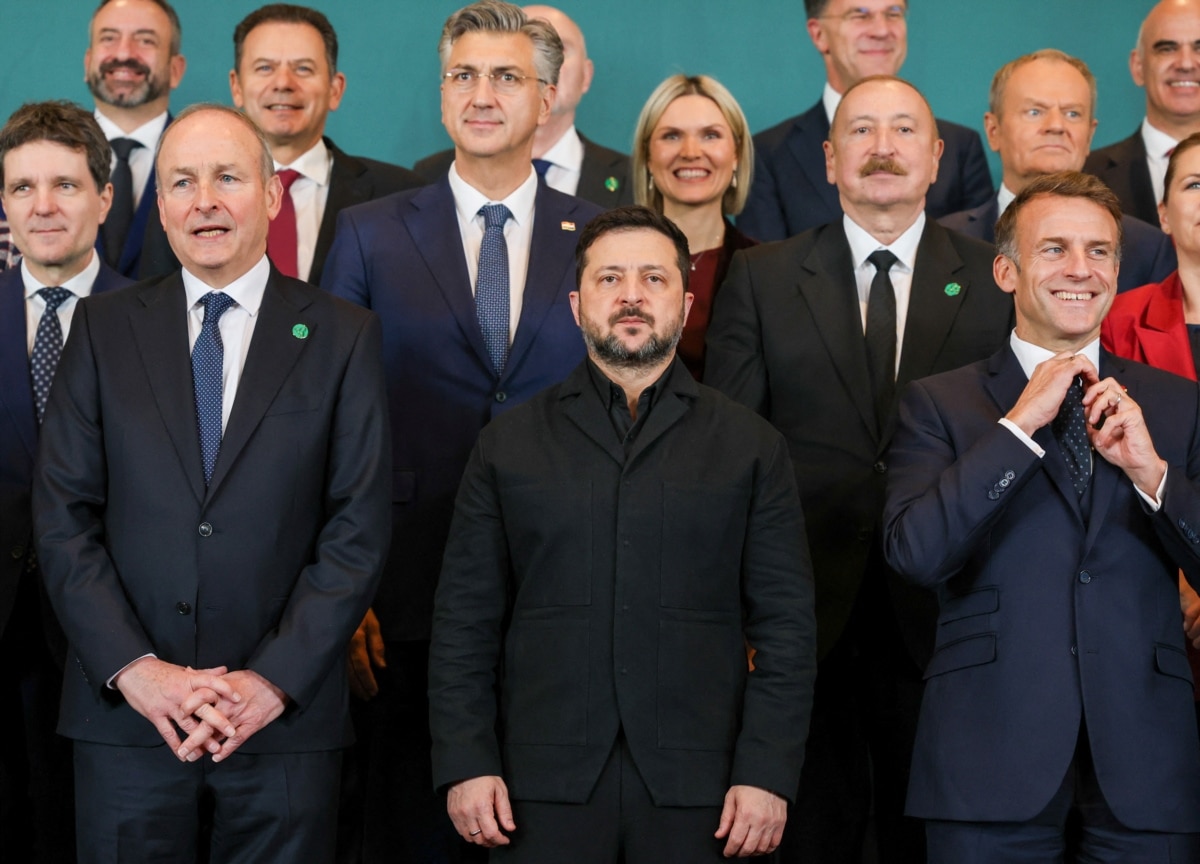
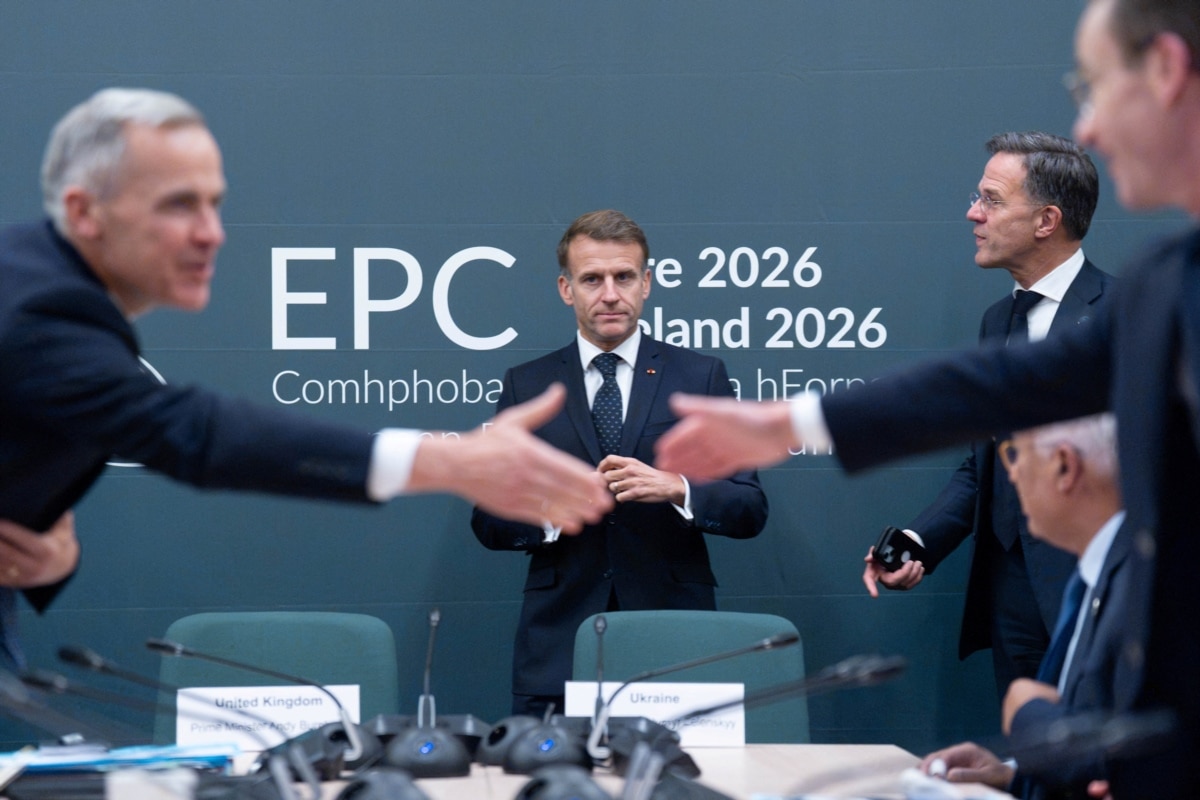
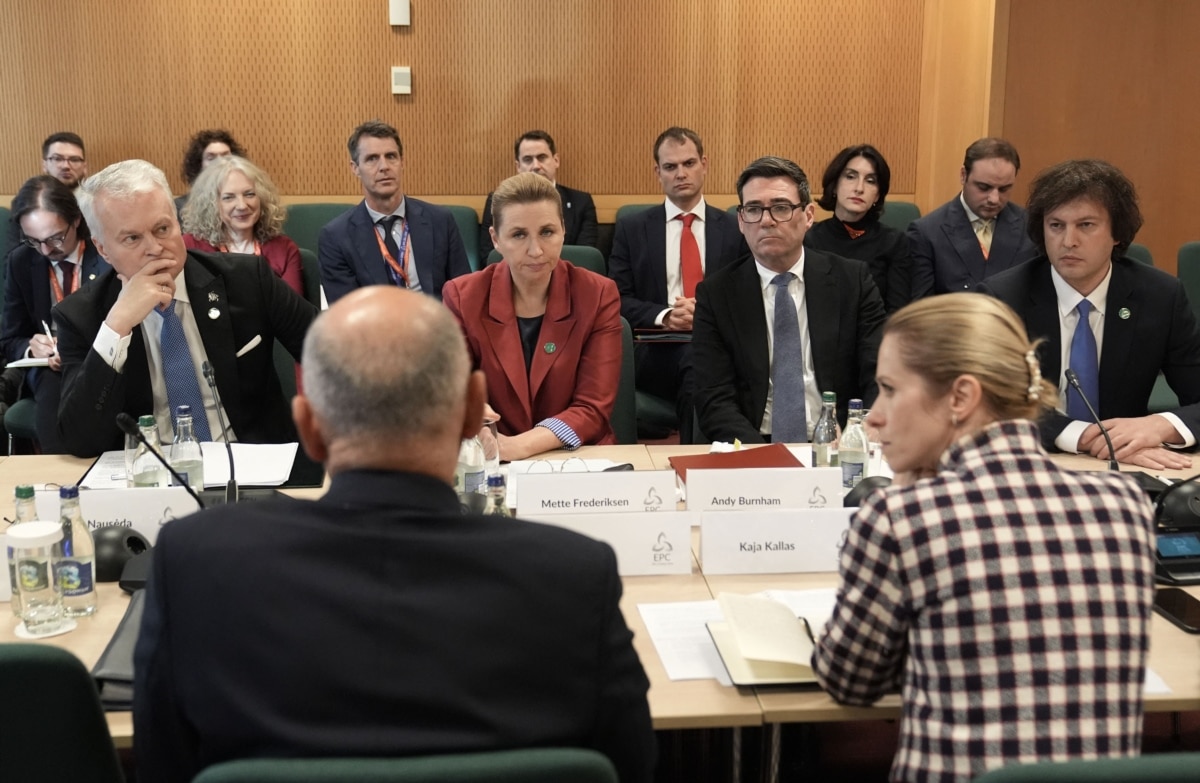
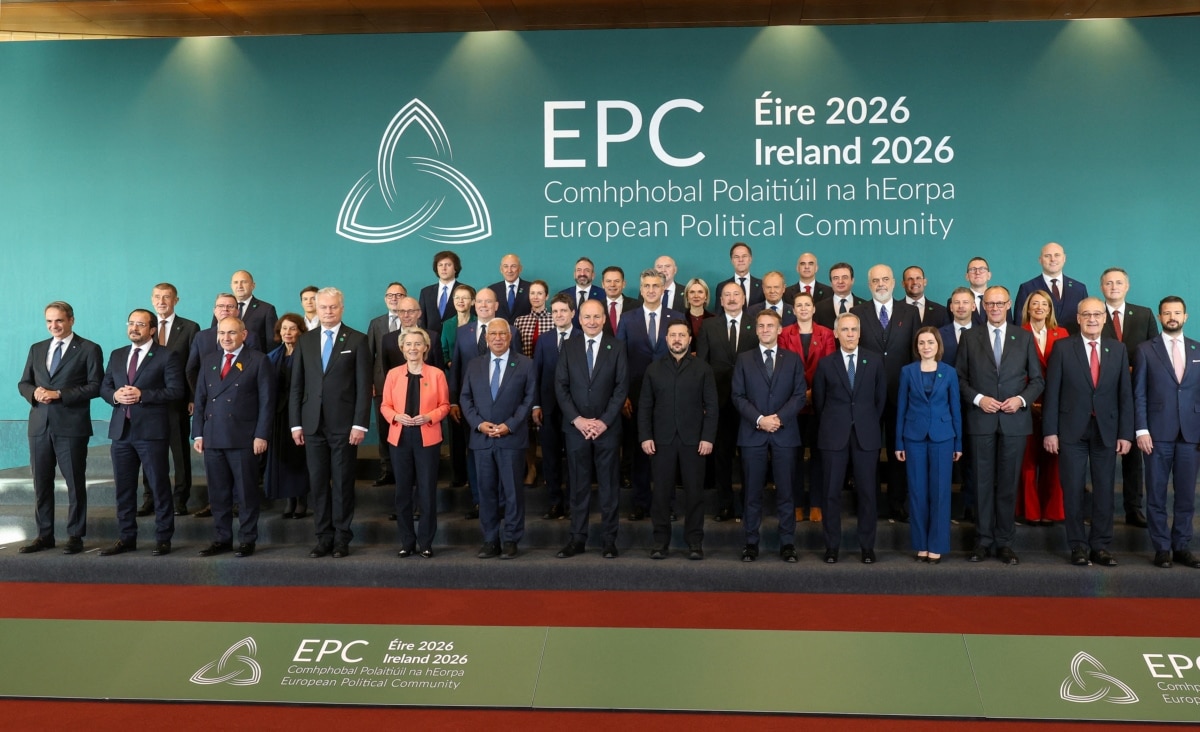
European Union leaders agreed that Europe will be represented at the talks by a joint team drawing on EU institutions and the E5 group within the "Coalition of the Willing": Germany, France, Britain, Italy and Poland. European Council President Antonio Costa announced this on November 13 after an informal meeting of the European Council in Dublin, Ireland.
Arriving at the informal EU leaders' summit, European Commission President Ursula von der Leyen said Europe must be involved in the peace talks to protect its own interests and those of Ukraine. She said leaders would also discuss the peace negotiations and welcomed the exchange of prisoners, adding that it was self-evident Europe needed a role at the table to protect its interests and support Ukraine.
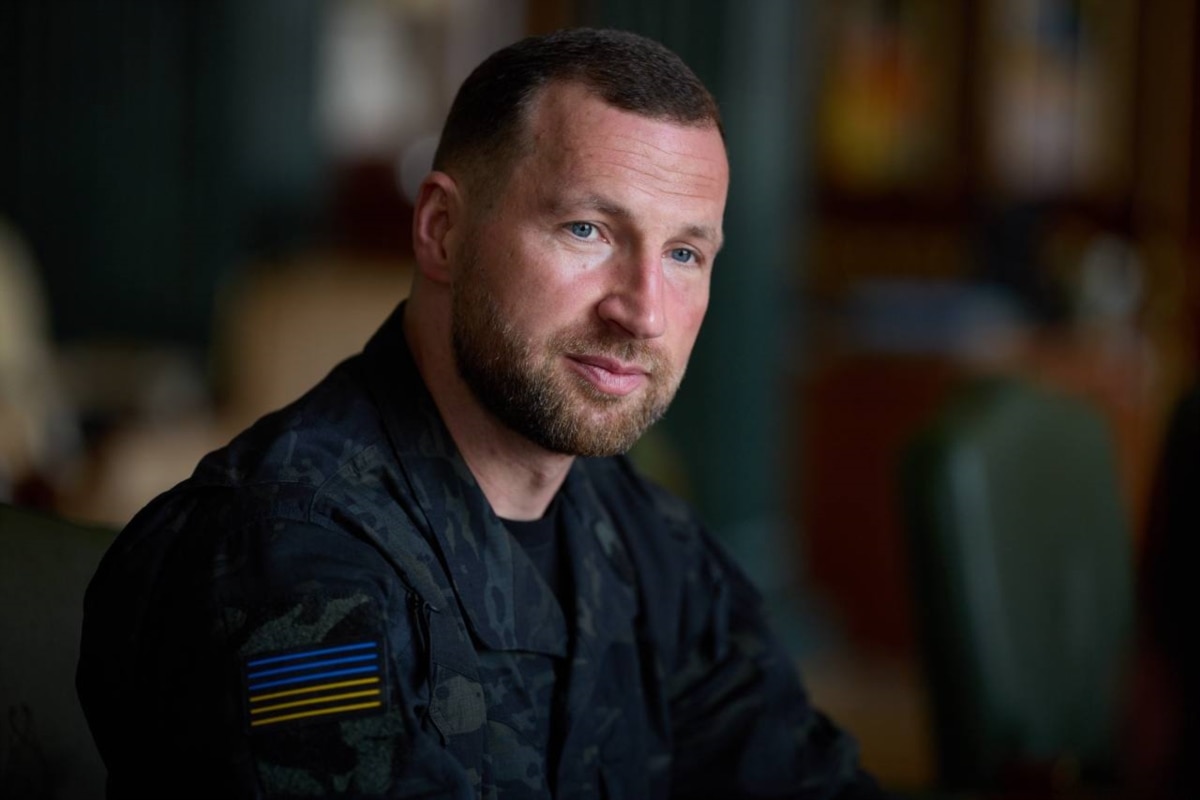
A day earlier in Dublin, US special representative Jared Kushner confirmed that Putin had agreed to European participation in the next round of talks, meaning European representatives could for the first time sit directly at the table rather than holding separate consultations with Ukraine and the US.
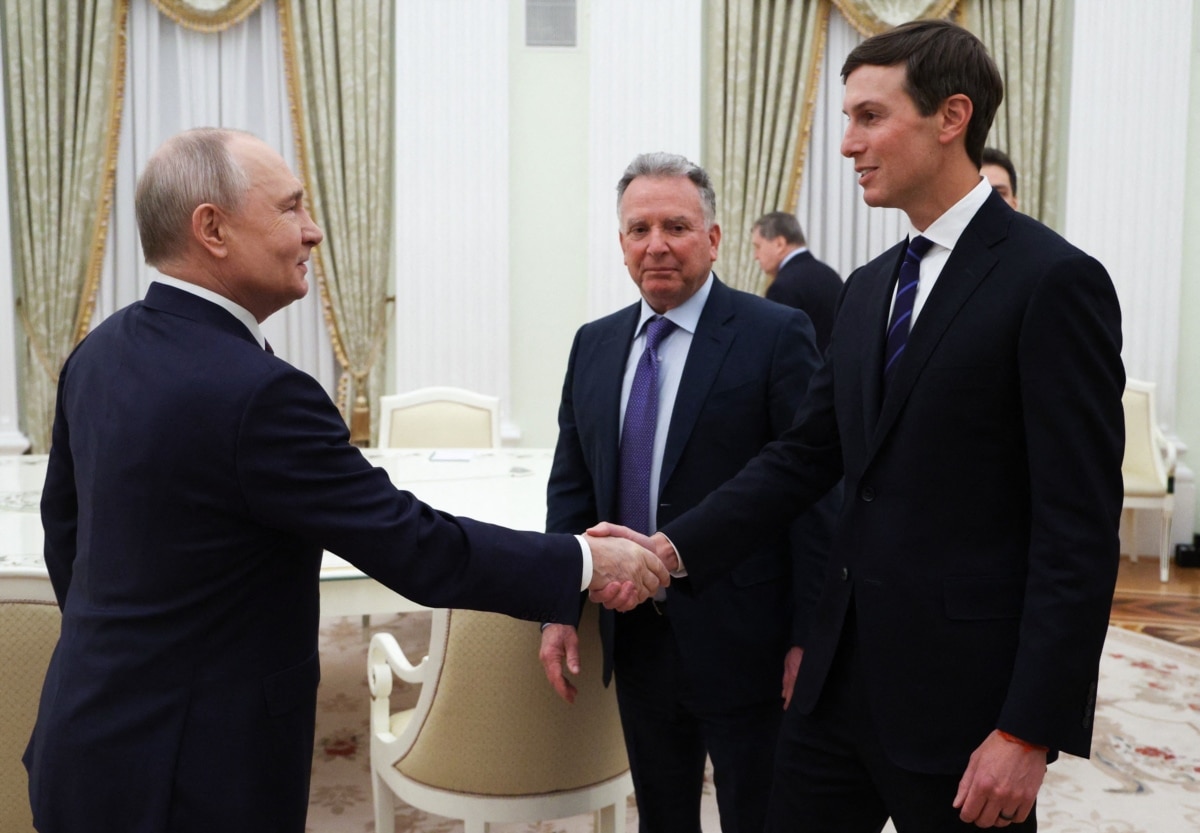
Kushner said they could not complete the deal without Europeans at the table, and that they had told Putin this was very important. He said he believed they had managed to secure this with Putin, who is ready to try.
Kushner points to progress
EU foreign policy chief Kaja Kallas welcomed Kushner's comments that Europeans should take part in the talks and said she hoped their voice would be heard. She said any deal between Russia and Ukraine also needs Europeans, which is why Europeans must be at the table, adding that she hoped Europe would not merely sit there but genuinely influence the outcome.
In a statement posted on X after meetings with Putin in Moscow, Ukrainian President Volodymyr Zelensky in Dublin, and European national security advisers, Kushner described three days of diplomacy as having produced "meaningful progress."
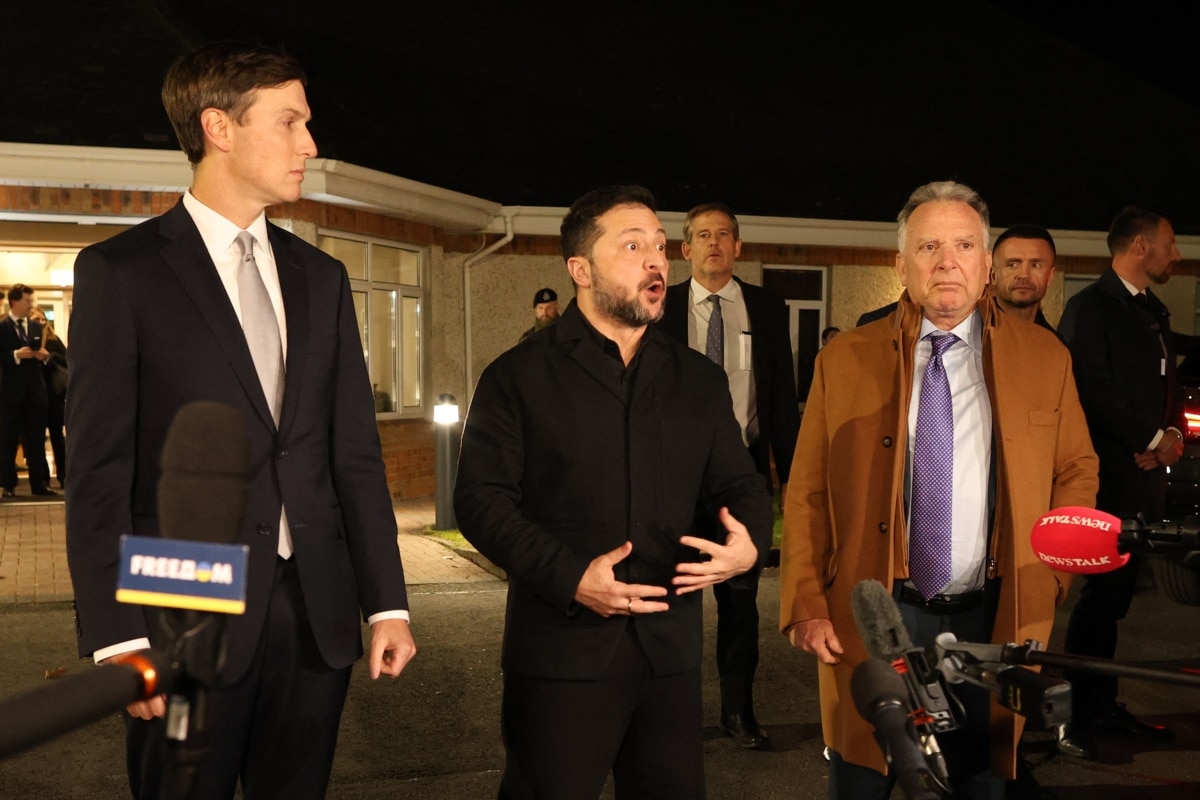
He wrote that both sides had now agreed to expand the next round of talks to include European partners, adding that the negotiations would address broader European security arrangements alongside territorial issues between Ukraine and Russia. Kushner sought to assure Kyiv that no broader European security arrangements would be finalized without addressing Ukraine's security concerns, saying nothing beyond humanitarian measures would be finalized until a comprehensive agreement is reached.
Speaking after meeting Zelensky in Dublin, Kushner called their conversation "very good" and described progress toward a large-scale prisoner exchange as a "very good milestone." He said Putin was at least willing to "try" when it comes to European involvement, and that Washington is working on what could become the largest prisoner exchange of the war, potentially reuniting thousands of people with their families, though he acknowledged significant differences remain.
Thomas Melia, a former senior US State Department official now a senior fellow at Georgetown University's Center for Democracy and Governance, welcomed the prospect of European representatives joining the talks, telling Radio Liberty that the more Europeans are involved, the stronger Ukraine's position will be, citing firm European support for Ukraine's defense and sovereignty.
Putin's conditions unchanged
Recent Kremlin comments have deepened skepticism about whether Moscow is prepared to make meaningful concessions, even on the format of talks. Putin has sought to expand the negotiations to cover European security, suggesting a four-way dialogue could take place once European countries name a representative authorized to speak on their behalf.
That approach has raised concern that Moscow could use the issue to divert attention from its invasion and potentially split Western allies. Kallas warned that Europe already has a security architecture, pointing to existing agreements that Russia has repeatedly violated, and said that without a ceasefire and respect for those obligations, talk of a new security system risks becoming a distraction.

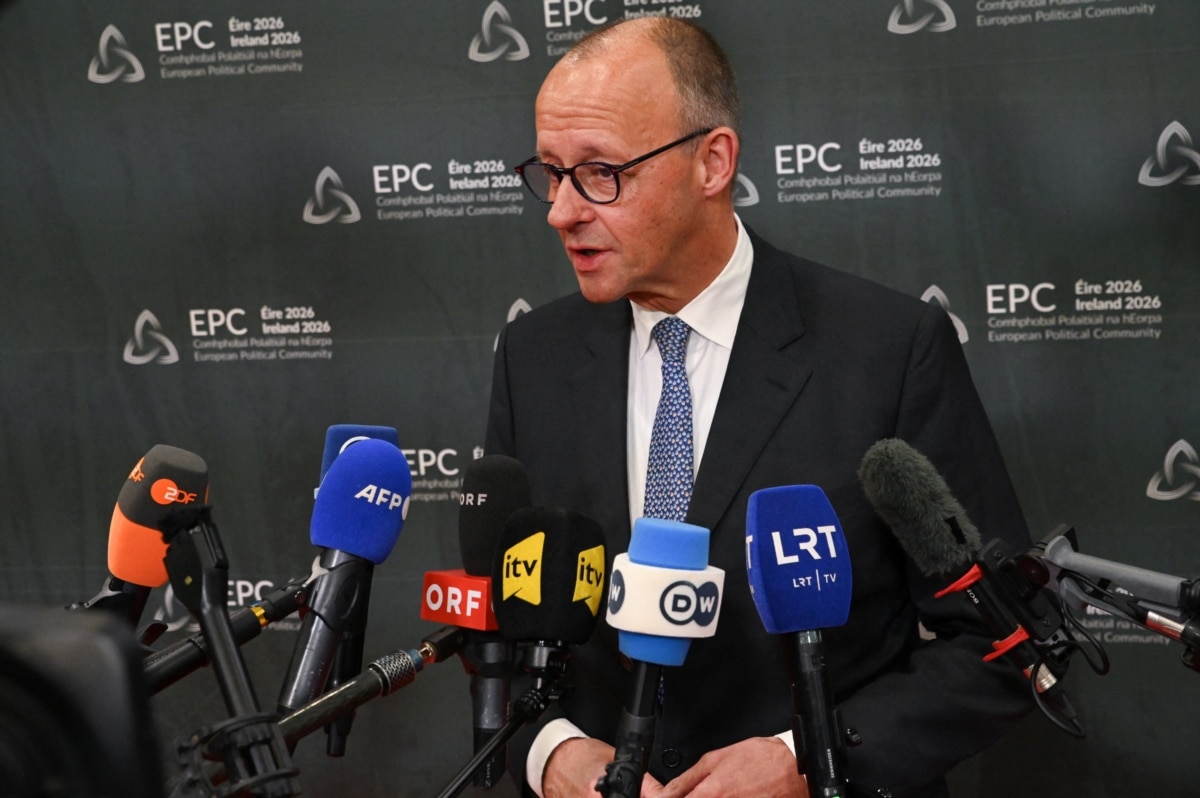
European leaders are also reluctant to appoint a single negotiator. French President Emmanuel Macron stressed that Europeans will determine their own security, while German Chancellor Friedrich Merz said the priority is making Putin negotiate seriously.
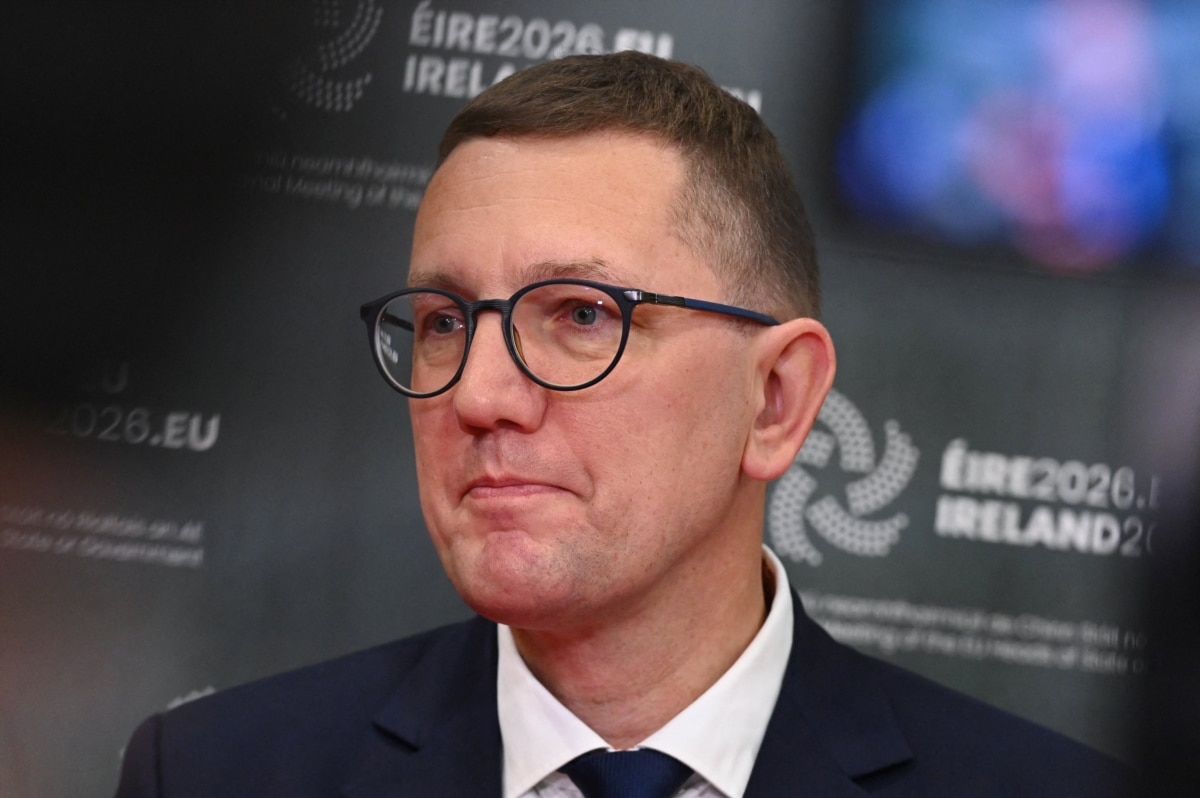
Geoffrey Pyatt, US ambassador to Ukraine from 2013 to 2016 and now chairman of the advisory board of Ukrainian energy company DTEK, told Radio Liberty he sees little evidence of genuine change in Moscow's intentions. He said the Ukrainians he speaks with are completely resolute, describing the debate over European participation as potentially creating only the appearance of diplomatic progress.
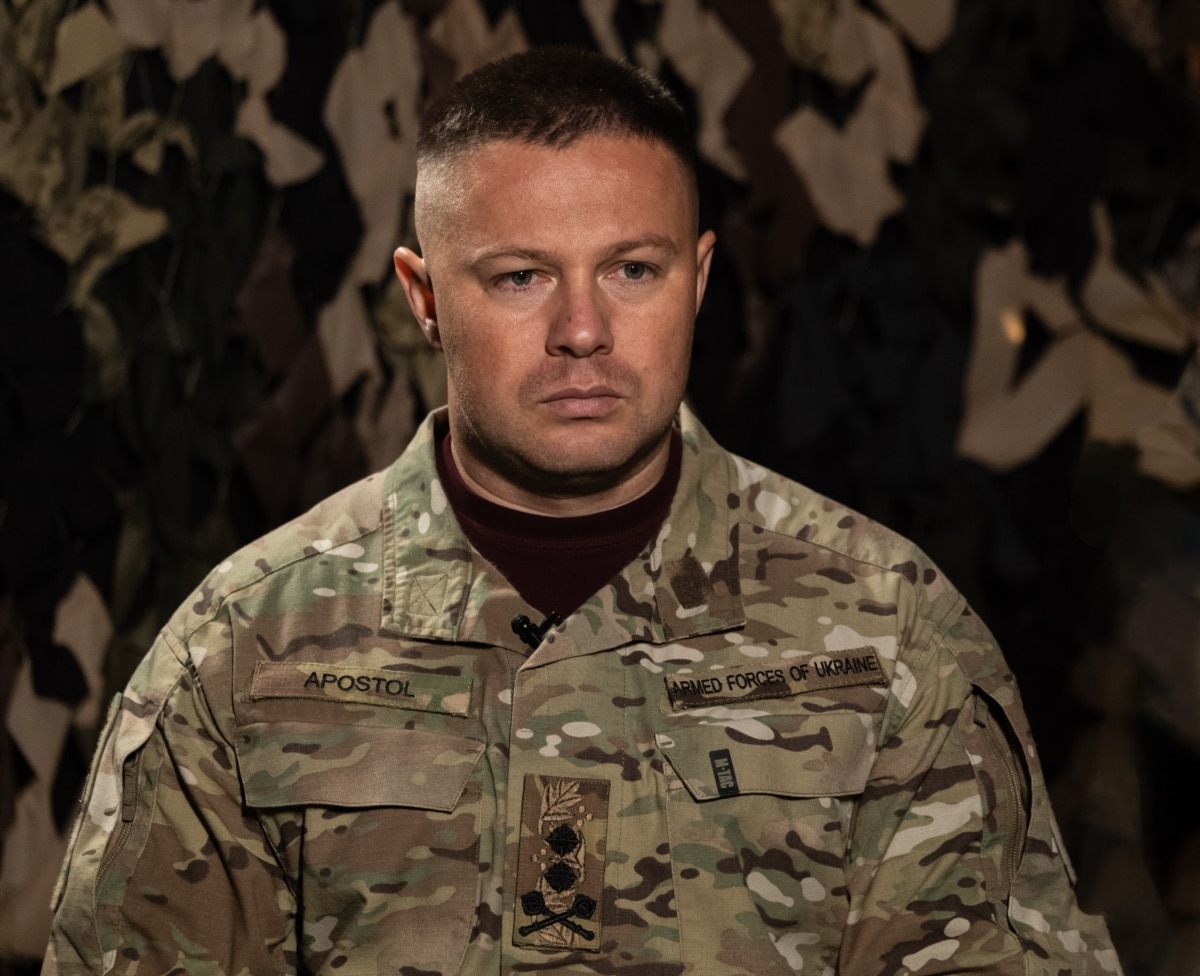
Prisoner exchange hopes and battlefield reality
A large-scale prisoner exchange could be the most obvious immediate humanitarian result of the diplomatic effort. Melia welcomed the prospect of a significant number of prisoners returning home, calling such releases worthwhile even if they do not settle the outcome of the war, while cautioning against confusing humanitarian gestures with political breakthroughs, noting that Russia continues to strike Ukrainian civilians and civilian infrastructure while Ukraine strikes militarily significant Russian targets.
Fighting continued on November 13: Ukrainian authorities said a 17-year-old boy was killed in Zaporizhzhia, with 50 people wounded, including eight children, and two people killed in Odesa.
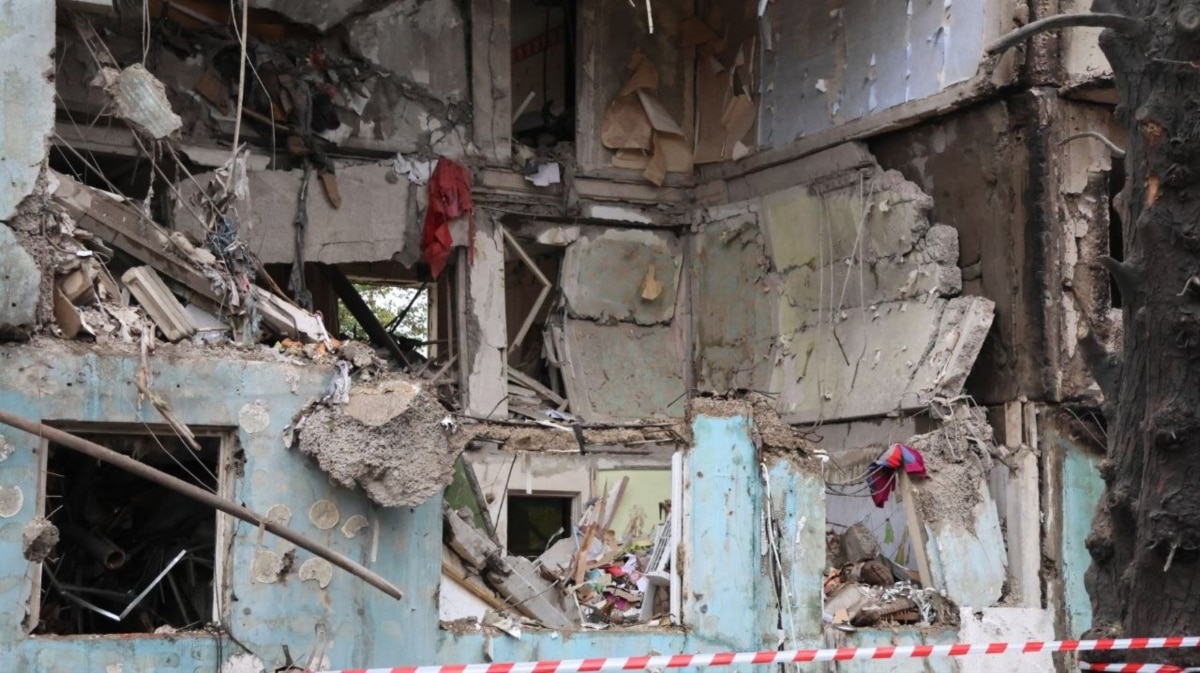
Russia also struck the Institute of Orthopedics and Traumatology in central Kyiv. Russian officials said a total of eight people were killed in Ukrainian drone strikes on industrial facilities in the Volgograd and Samara regions, with a refinery in Volgograd reportedly among the targets.
Bill Cole, founder of the Peace Through Strength Institute, warned that talks could drag on without changing the military balance or bringing the sides closer to a deal. He told Radio Liberty he expects negotiations to continue into early 2027 and said the United States and its European allies should invest more heavily in Ukrainian unmanned systems and drone capabilities to weaken Russia's military potential. He called Ukraine's combat experience a strategic asset for the West, arguing Washington is not making enough use of Ukrainian expertise to strengthen its own military capabilities. Cole also pointed to Kushner's description of the diplomacy as "pushing a boulder up a hill," interpreting it as a sign of how difficult the administration considers achieving a breakthrough, and said he would watch for signs of whether Washington is prepared to change course if talks fail to produce results.
Starlink disruptions add uncertainty
The diplomatic effort was overshadowed by new restrictions affecting Ukrainian military communications based on Starlink. Zelensky said disruptions to Starshield, the military version of SpaceX's satellite service, have made it harder for Ukrainian forces to intercept increasingly advanced Russian drones.
Kyiv has asked Washington for an explanation, with Zelensky suggesting the restrictions appear deliberate rather than the result of a technical fault. US Senators Jeanne Shaheen and Thom Tillis condemned reports of the restrictions and called on the Trump administration and SpaceX to restore Ukraine's capabilities, pledging to carry out a congressional oversight investigation to determine who ordered or approved the shutdowns.
Melia questioned the explanations offered by the White House, SpaceX founder Elon Musk and the companies involved, calling them unreliable and suggesting someone is not telling the truth. Pyatt said recent events have done little to change his assessment of Moscow's intentions. "The Russians have not changed their goals and are not seriously prepared to negotiate," he said. "We need to increase pressure on Moscow."