

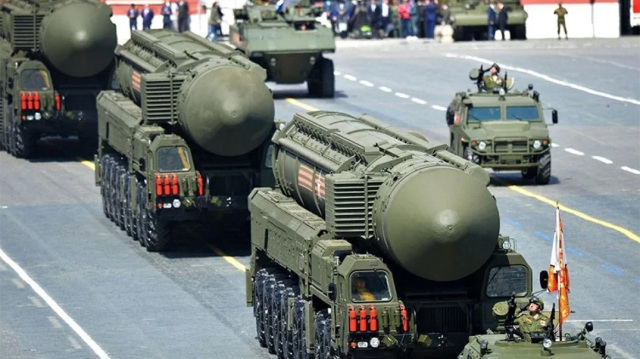
NATO spokesperson Allison Hart said the alliance strongly condemned Russia for threatening military force and employing irresponsible nuclear rhetoric regarding the Russian exclave of Kaliningrad.
Hart confirmed that NATO officials had received a formal communication from Moscow outlining Russian grievances about alliance activity near Kaliningrad, adding that NATO had already issued an official response.
The Russian embassy in Brussels published details of the document on the social media platform X on September 29, 2026. The post cited an official statement dated September 28, 2026, regarding what Moscow called an escalation of the military political situation around the Kaliningrad Region by NATO nations.
Russian military warnings
In the statement posted by the embassy under the handle @amrusbel, Russian diplomats expressed deep concern over provocative statements and actions by the leadership of the North Atlantic Alliance.
Russian officials claimed that they had observed an unprecedented increase in alliance military maneuvers along Russia's western borders, which include the Kaliningrad territory.
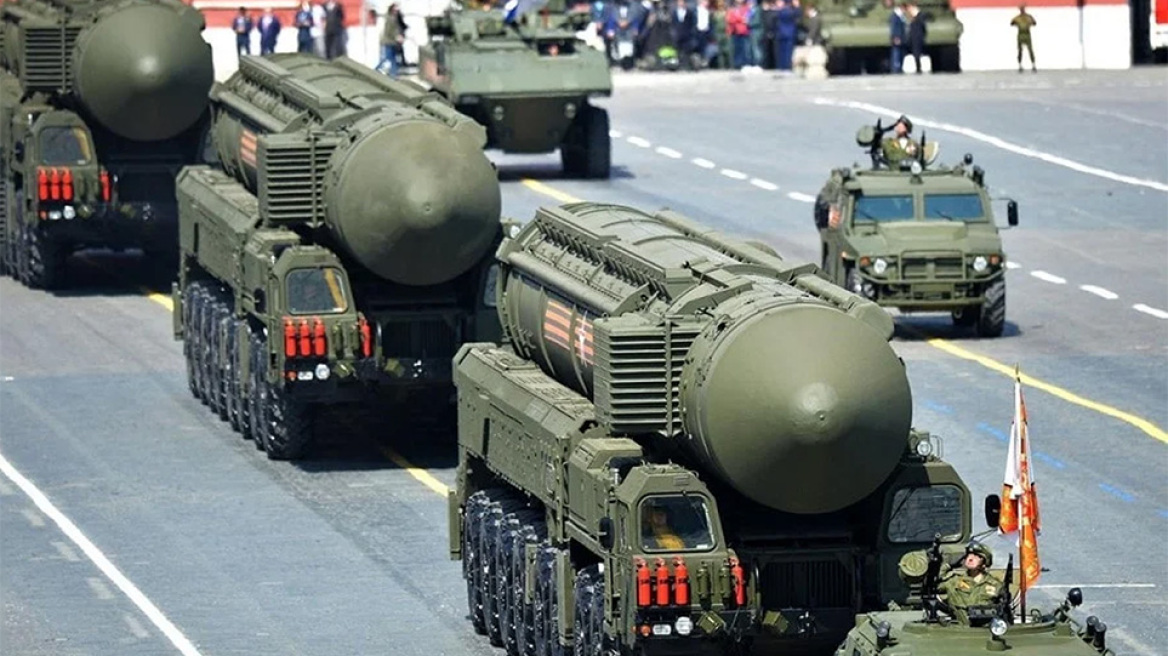
Moscow warned in the text sent to NATO that Russia was prepared to deploy its entire military arsenal to defend its territory if NATO countries attempted to isolate the Kaliningrad region from the rest of Russia.
Strategic position of Kaliningrad
Kaliningrad is a heavily fortified Russian exclave located on the Baltic Sea, surrounded by NATO members Poland and Lithuania, with no direct land connection to mainland Russia.
Originally known as Königsberg when it was part of East Prussia, the territory was annexed by the Soviet Union in 1945 following the conclusion of the Second World War.
NATO defense and hybrid threats
NATO member states have expressed heightened concern over an increase in hybrid attacks on their territory attributed to Russian operatives, prompting the alliance to reinforce its military presence along its eastern borders.
Addressing those concerns, Hart said Russia's use of hybrid threats was a sign of desperation that would not deter NATO from maintaining its support for Ukraine.


