


Pharmaceutical companies Moderna and Merck have met their Phase 3 clinical trial goals with a personalized mRNA vaccine that reduces skin cancer recurrence in high-risk melanoma patients.
The combination of Moderna's experimental vaccine, named intismeran, and Merck's immunotherapy drug Keytruda successfully reduced both local skin cancer recurrence and distant metastasis in patients who underwent surgery. Researchers confirmed that the study is the first Phase 3 clinical trial in history to successfully demonstrate the efficacy of a personalized messenger RNA vaccine against cancer.
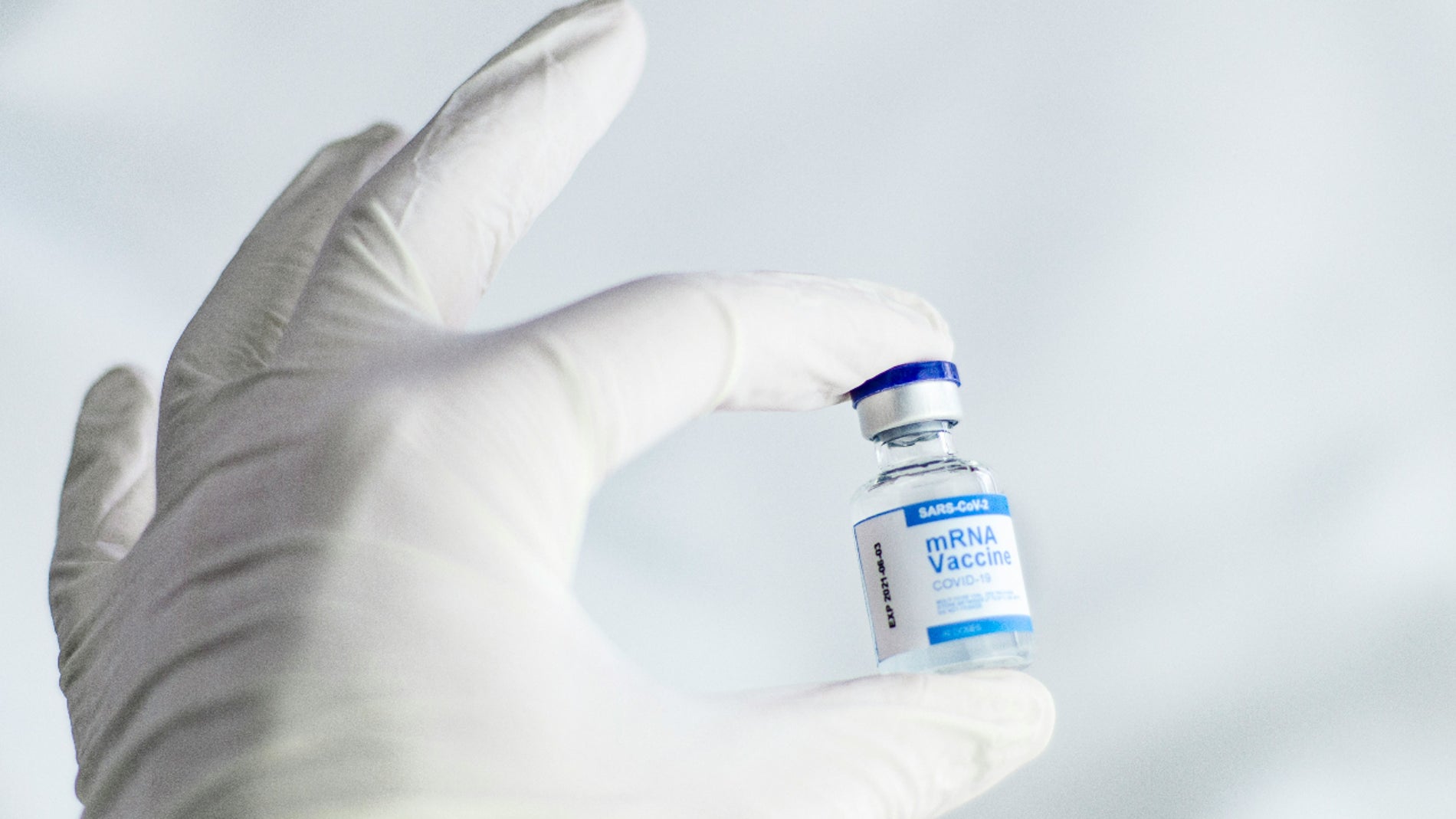
Moderna gained public recognition during the coronavirus pandemic for developing an mRNA vaccine against COVID-19. Merck is a global pharmaceutical firm specializing in prescription medicines and oncological treatments.
The clinical trial evaluated 1,100 patients with high-risk melanoma who had previously undergone surgical tumor removal. Prior to this trial, Keytruda administered as a standalone immunotherapy served as the standard treatment for high-risk melanoma patients after surgery.
Investigators described the addition of the vaccine to Keytruda as a clinically meaningful improvement compared to administering the immunotherapy drug alone. The trial also demonstrated a benefit in distant metastasis-free survival by preventing the tumor from spreading to other parts of the body.
How personalized mRNA cancer vaccines work
Moderna and Merck have not yet disclosed exact numerical figures or specific patient improvement percentages from the trial. The companies stated that detailed results will be presented at an upcoming medical meeting.
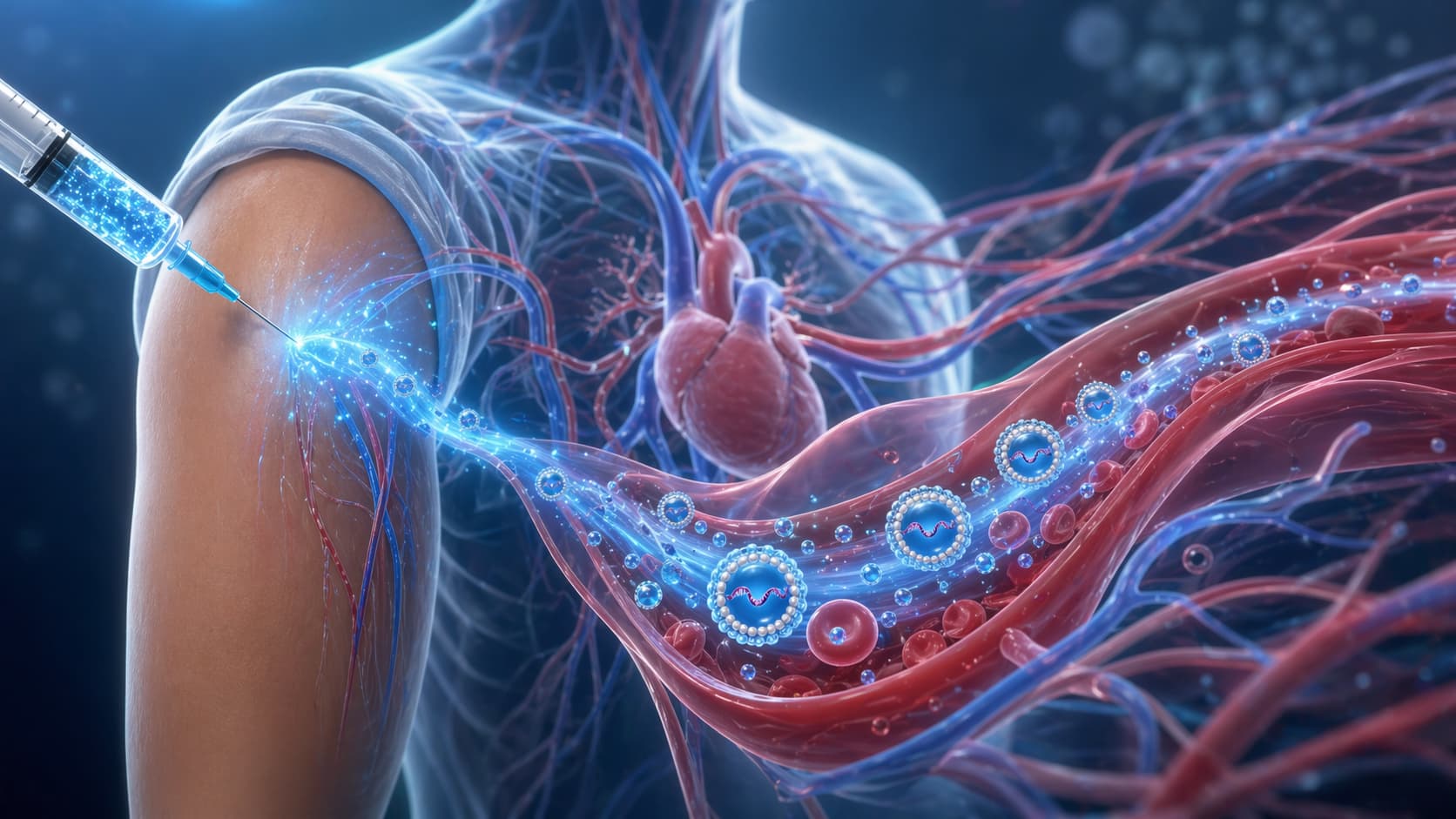
The treatment relies on a personalized design for each patient. Following surgery, scientists analyze the genetic profile of the extracted tumor sample, using an algorithm to identify specific mutations present within the cancer.
Unlike traditional chemotherapy, which destroys tumor cells directly but also damages healthy tissues, mRNA technology operates as precision training for the body. The vaccine teaches the immune system the exact genetic signature of the tumor-causing mutations so that white blood cells can selectively identify and eliminate remaining malignant cells.
Melanoma is a severe form of skin cancer originating in pigment-producing cells that can spread rapidly throughout the body. Keytruda works by helping the immune system detect and attack tumor cells.
Market reaction and future prospects
Investors welcomed the trial conclusions, pushing up share prices for both Moderna and Merck after the Phase 3 results were announced. Financial forecasts project that the personalized therapy could reach the commercial market in 2027.
Industry leaders hope to expand this personalized mRNA model to combat other types of cancer. Research efforts are underway to adapt the technology to treat lung, kidney, and bladder cancers with similar efficacy.


