Former Peruvian regional governor and lawmaker Mesías Guevara has warned that Peru is trapped in a lethal combination of widespread informality and systemic extortion rackets that have overwhelmed state authorities.
Writing in an opinion piece for the 247 News Agency, Guevara stated that citizen insecurity has created an environment where criminals operate with impunity while the state acts with indolence toward an increasingly vulnerable population.

Guevara detailed how Peruvian society is currently damaged by two destructive dynamics: what he termed combi culture and the quota pandemic. He explained that combi culture represents deep-seated informality penetrating the economy, business management, public administration, and everyday social relations, shattering institutional governance before complicit authorities.
In Peru, the term combi culture originally stemmed from the chaotic, unregulated network of private microbuses that dominated urban transportation in the 1990s. Over the decades, the phrase evolved into widespread national shorthand for a broader disregard for rules, civic norms, and legal frameworks.
Widespread Extortion Across Peruvian Society
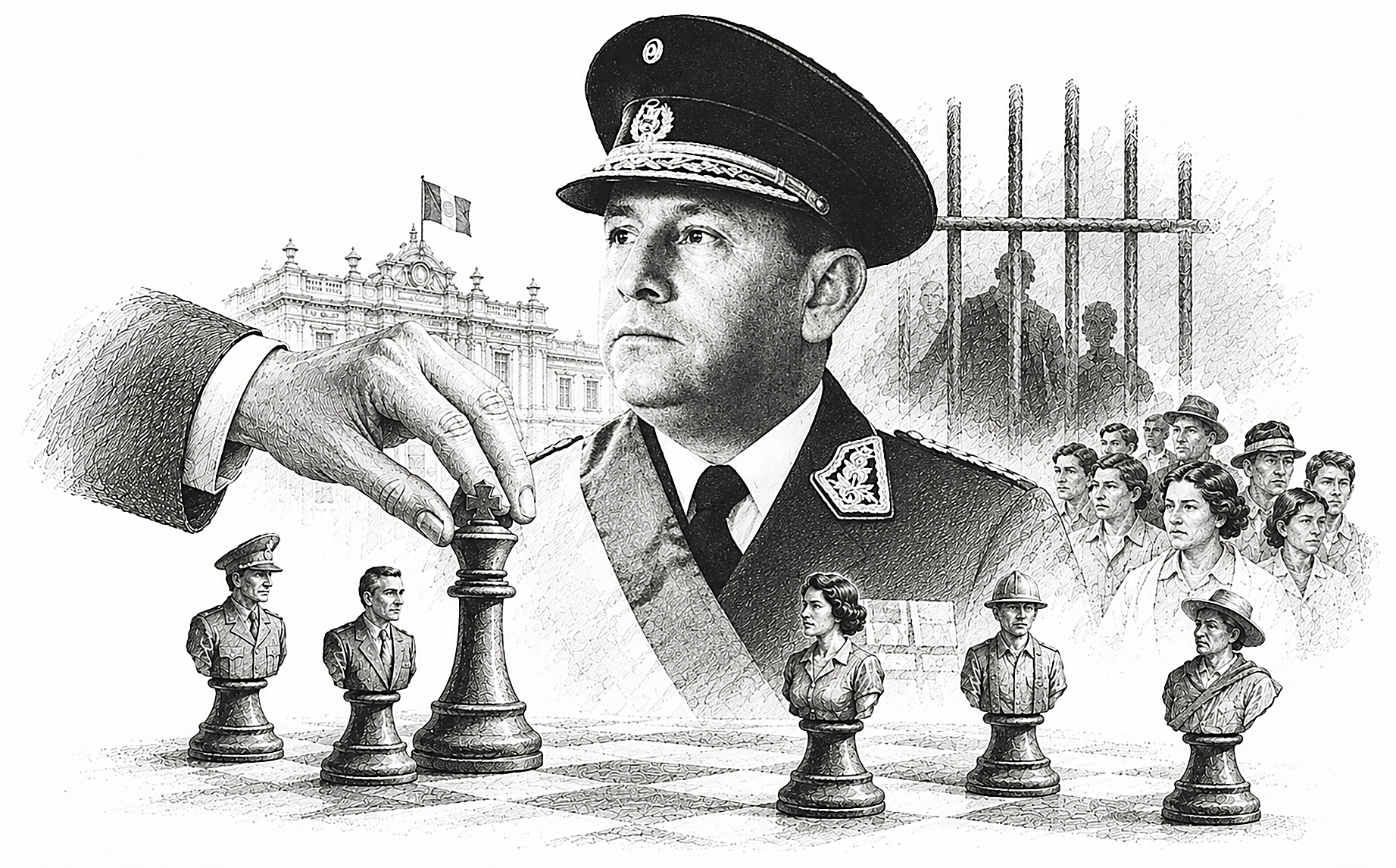
Guevara argued that the quota pandemic, or extortion racket, extends from the highest spheres of government down to ordinary citizens. At the top of the political and judicial system, he pointed to congressmen who illegally trim the salaries of their staff, corrupt magistrates who exchange court rulings for favors, and public works officials who divert state funds through 10 percent kickbacks.
Among the general public, Guevara noted that extortionists target businesses of all scales, including small market stallholders, public transit operators, motorcycle taxi drivers, and street hawkers selling goods at traffic lights. He compared extortion to a lethal virus similar to COVID-19, warning that victims often cannot tell whether an extortionist belongs to an organized criminal syndicate or is a close friend, neighbor, or family member.
Proposed Police and Legal Reforms
To successfully combat what he called a criminal pandemic, Guevara called for ultra-professional intelligence units equipped with advanced digital technology. He urged an immediate reorganization of the National Police of Peru, rigorous tracking of financial transactions and telephone communications, and the isolation of high-risk convicts in penitentiaries.
Furthermore, Guevara proposed establishing a dedicated legal ecosystem capable of conducting summary trials for criminal suspects. He emphasized that implementing such drastic security reforms requires a leader of proven honesty who remains committed exclusively to national interests rather than personal or political gain.
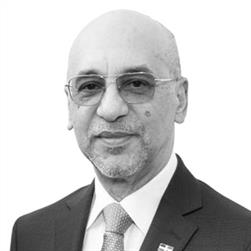
Guevara is a prominent Peruvian political figure and electronic engineer who holds a master's degree in business administration. He has previously served as a member of the Peruvian Congress, a regional governor, a university professor, and a technology executive, and has been a leading advocate for digital transformation initiatives across Peru.