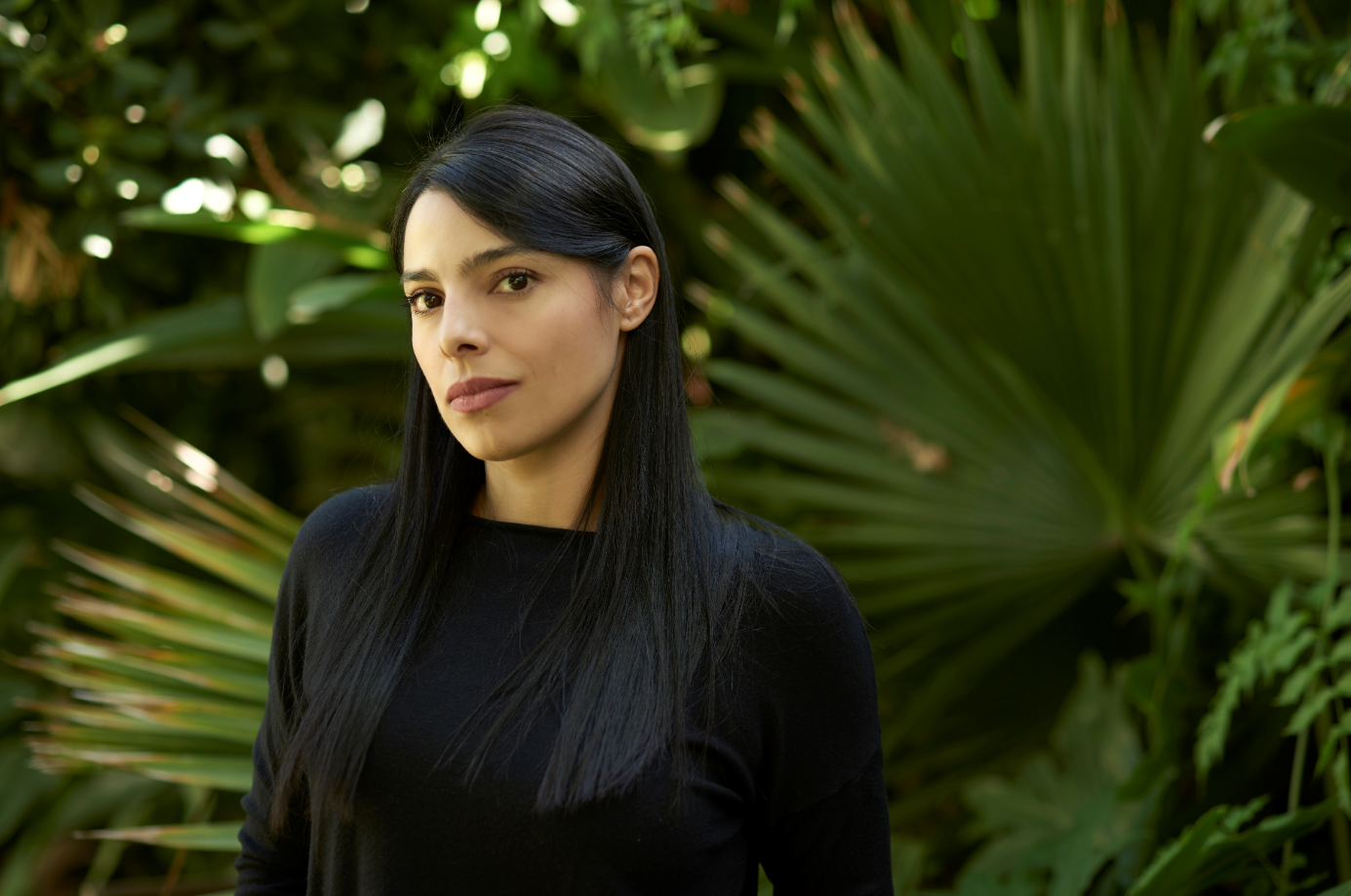
Colombian writer Margarita García Robayo has built a reputation in contemporary Latin American fiction for her exploration of the personal register, where autobiography carries weight but anecdote gives way to perspective. One of her best known books, "Primera persona" (Anagrama), has just been reissued and presented at the Lima International Book Fair.
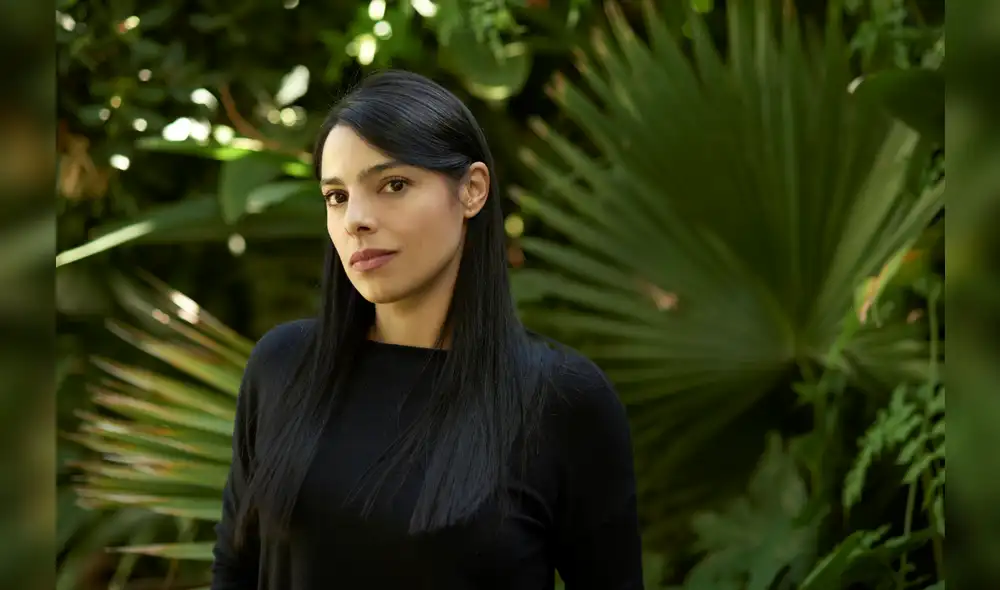
The book contains eleven narratives that move through family, friendship, romantic, sensory and sexual territory. García Robayo spoke with La República about writing from the first person.
The self as construction
García Robayo said all writers use material from the world, whether it is their own or close to them, to build fiction. She said the difference in first person writing is that readers assume it is real, but she believes the self in her work is a construction, a character like any other, one that should be presented as stripped down and honest to be convincing.
She said writing in third person lets her disguise more than in first person, because no one expects it to be literally true. She said what drives her to write almost always relates to a kind of discomfort or injustice, a small everyday violence, and that anything she finds striking or intolerable becomes material for her writing.
Asked what kind of truth is in "Primera persona," García Robayo said it is an emotional or philosophical truth rather than a factual one. She described it as her own version of things, a subversion of life rather than a copy of it, driven by questions like how something really happened or how it might have happened.
Commissioned pieces
García Robayo said most of the texts in the book were commissioned, many by the Brazilian magazine Piauí. She said that when asked to write about the sea, she drew on childhood memories of growing up near the coast. She said these commissions let her smuggle in what she wanted to say: when asked for a piece on madness, she used her mother's experience with an undiagnosed condition, and when asked for a piece on romantic relationships, she wrote about her own pattern of dating older men. She said she feels completely at home writing in this register.
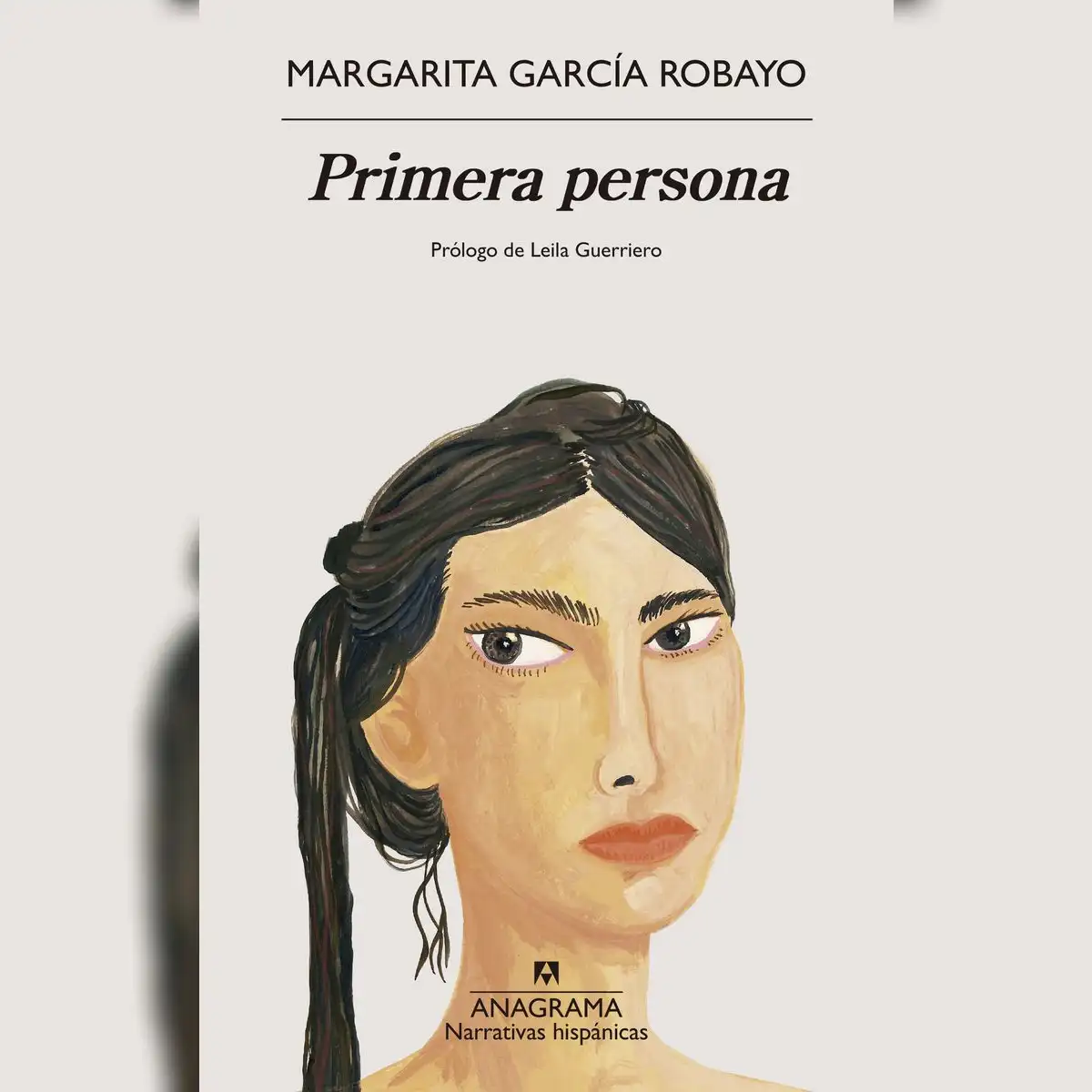
On the perception that first person writing is overused, García Robayo said she has noticed this bias her whole career. She said there is a large gap between the anecdotal self and the literary self, and that simply recounting a personal anecdote is not enough even for an Instagram post. She said what matters is an author's ability to turn anecdote into literature, and that her particular interest in these texts is narrating experience while still living through it, giving the writing a present-tense, vital quality rather than a strictly factual one.
She described her work less as autobiography than as a register of unease, saying all her texts start from some form of discomfort.
Writing about breastfeeding, and social media's effect on literature
Asked about her piece "Leche," about breastfeeding her son, García Robayo said many men wrote to her afterward describing what their partners had gone through while breastfeeding. She said that connection came from the point of view in the writing, not practical tips of the kind found in a magazine or website, and that literature is defined by an author's particular way of looking at the world.
García Robayo said there is an overuse of first person writing everywhere, which she linked to social media giving people a deceptive sense of exposure, making them believe that simply describing a situation amounts to a story. She said this oversupply of exposed selves on social media makes readers suspicious when the same register appears in book form, and that this suspicion also affects genre fiction, where a large amount of poor science fiction and horror exists alongside notable novels and writers, with the outcome depending on an author's skill and how the material is presented.
García Robayo said writing about the self is far from easy. She said that when students in her workshops want to write about an argument with their father, she tells them to question what is really compelling them to write, since the plot can be an excuse, and that it is not worth sitting down to write without a clear sense of what one wants to say.
She said social media and artificial intelligence are affecting literary writing by reducing it to a single expression, whether an unfiltered post or stories written to follow trends, such as writing horror because it is currently popular. She said such texts do not come from within, which is why genuine, singular material is becoming rarer, and that writing driven by trends leads nowhere.
García Robayo said that when she writes from the self, she does not overthink it, or the writing would become artificial. She said she does not hold back or worry about what people will think, comparing self-censorship to jumping into a pool while still dressed, saying that once you have jumped in, you should take off your clothes, or what is the point.