


Archaeologists in Málaga have unearthed an intact 5,000-year-old megalithic tomb measuring 12.8 metres long, marking one of the most complete pre-Roman discoveries in Andalusia. The scientific team from the University of Cádiz revealed that the dolmen had remained undisturbed underground for five millennia in an exceptional state of conservation.
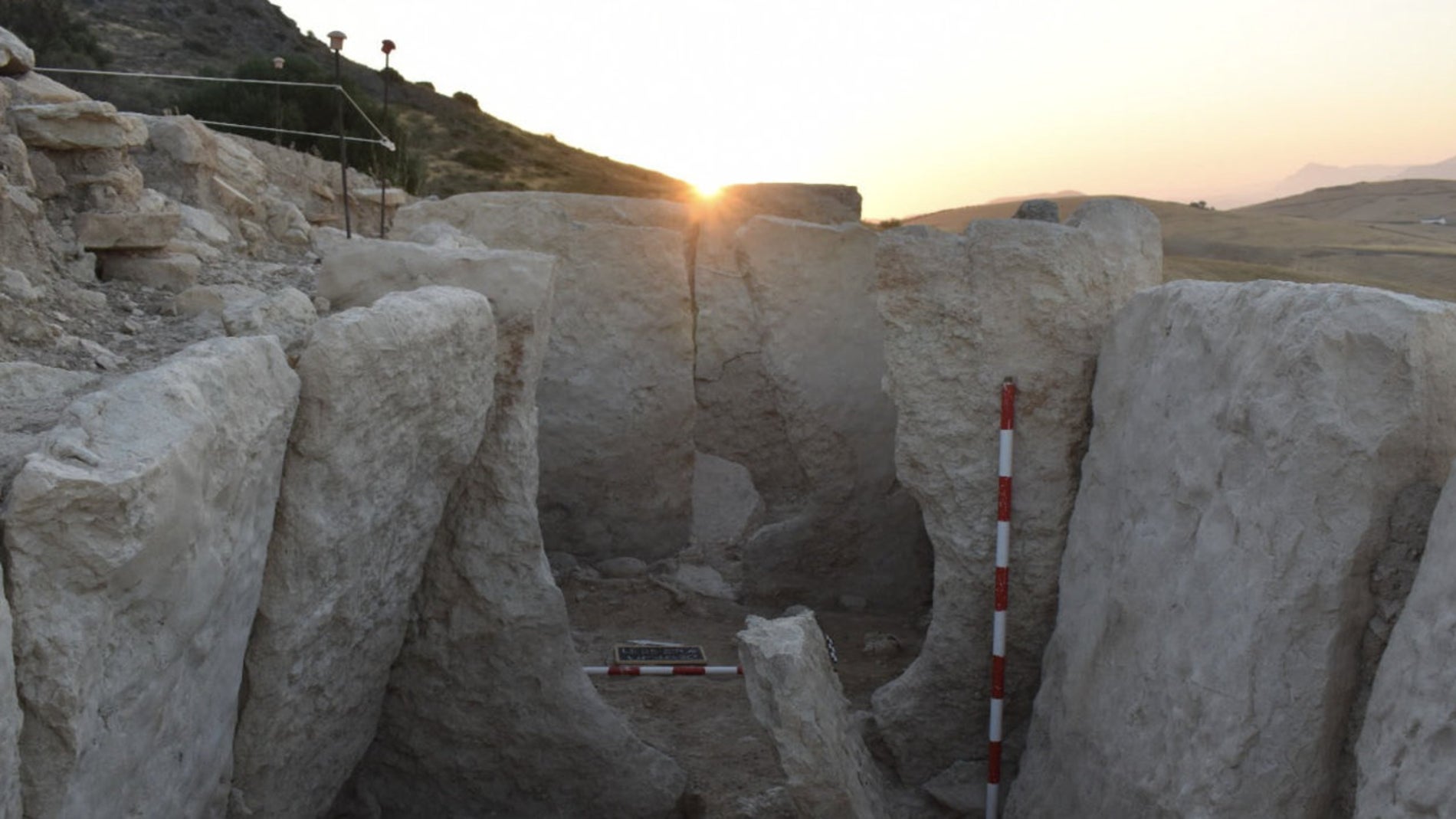
Constructed during the Bronze Age in the third millennium BCE, the monument features large vertical stone slabs known as orthostats that stand more than 1.80 metres high. The structure contains multiple internal compartments that were originally sheltered beneath a cover of massive horizontal stone slabs, buried under an artificial mound of sand and small stones.
Eduardo Vijante, co-director of the excavation project, said the true value of the site rests in the flawless preservation of its architectural structures. He explained that the site will allow researchers to analyze the lifestyle, daily rituals, and religious beliefs of prehistoric communities in the southern Iberian Peninsula with an unprecedented level of detail.
Artifacts and grave goods
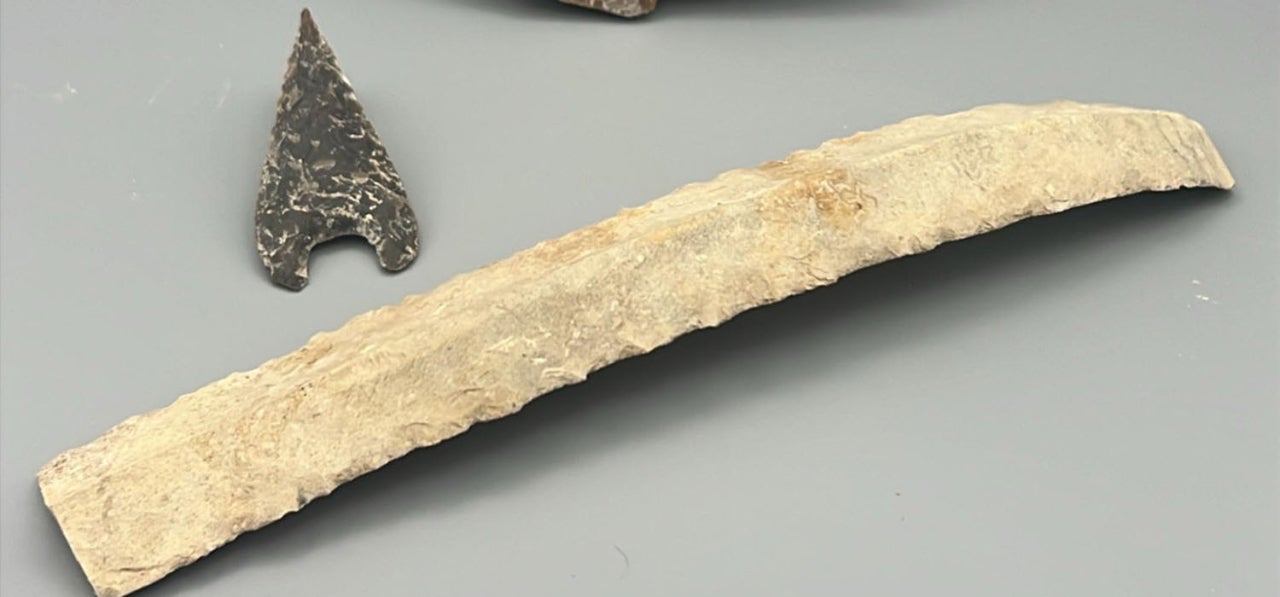
Inside the monument, archaeologists discovered several chambers set aside as ossuaries for human remains, alongside a rich collection of grave goods. Excavators recovered decorative pieces made from ivory and amber, marine shells, and a refined selection of flint tools including arrowheads, large blades, and a stone halberd.
Juan Jesús Cantillo, a professor at the University of Cádiz, said the presence of sea shells in an inland region provides crucial evidence regarding ancient society. He noted that the marine items show the sea held immense symbolic value as a status symbol, while confirming that well-established long-distance trade networks connected the region during the period.
Historical significance in Europe
Dolmens are prehistoric megalithic structures built across Europe and Asia, featuring upright stones supporting flat capstones. Beyond serving as collective burial sites, these ancient monuments functioned as sacred places, shelters, and territorial markers used by early agricultural societies to claim ownership of surrounding land.
Researchers, including University of Cádiz professor Serafín Becerra, consider the Málaga tomb to be among the most monumental megalithic finds in southern Spain. Experts have compared its archaeological importance to major European monuments, such as the Guadalperal dolmen in central Spain, often called the Spanish Stonehenge, and Arthur's Stone tomb in England.


