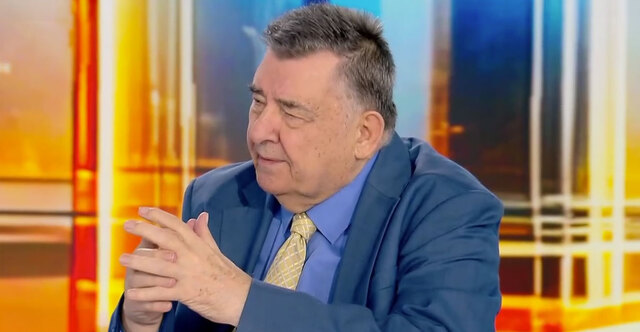
Peruvian political analyst Juan De la Puente warned that conservative politician Rafael López Aliaga is heading toward a severe political downfall following rising tensions within Peru's right-wing congressional alliance. Speaking in an interview about the early weeks of President Keiko Fujimori's administration, De la Puente outlined severe structural weaknesses in the government, undisclosed origins of major legislative proposals, and growing friction between coalition partners in Parliament.
De la Puente, who recently launched the YouTube political analysis program La República Obscena, highlighted significant irregularities surrounding a leaked government draft requesting broad legislative powers from Congress. According to De la Puente, the document appears to have been drafted jointly by a Peruvian neoliberal think tank and a law firm without the participation of the official cabinet.
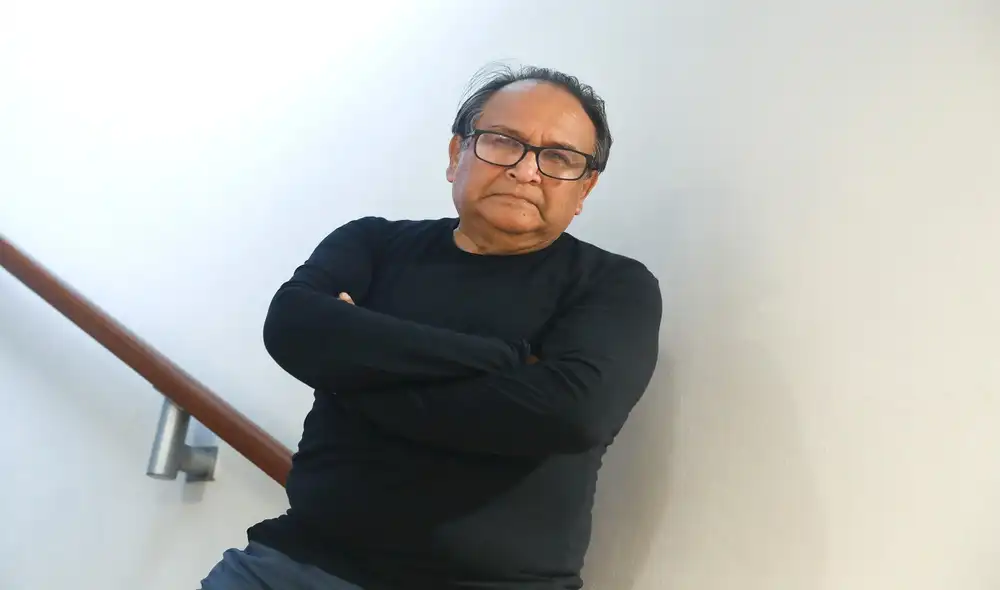
Records indicate the text was finalized on July 26, two days before Fujimori's cabinet was officially sworn in on July 28. The draft was unexpectedly presented during an unusual cabinet meeting on July 29, just hours before Peru's traditional national independence day military parade. De la Puente noted that no Peruvian cabinet in the last 100 years has met on July 29 immediately before the national parade, describing the incident as an irregular act against state procedure that parachuted a pre-packaged program onto incoming ministers without prior departmental review.
Controversy Over Leaked Government Powers Draft
The unexpected submission of the legislative proposal sparked immediate alarm among cabinet members, most of whom refused to endorse a block document that fell outside their stated sectoral priorities. De la Puente observed that President Fujimori quickly recognized the draft as a missile wrapped in candy paper, while pro-government lawmakers in Congress feared being handed a politically unmanageable burden.
Initial official responses sought to deny the existence of controversial elements within the draft. When asked about proposed reductions to public holidays contained in the document, President Fujimori dismissed the reports as inventions of the left. However, De la Puente emphasized that the text contained those exact provisions in black and white, raising serious questions about who leaked the document to the press and exposing the operational precarity of the administration.
De la Puente stated that allowing an ideologically aggressive document that limits constitutional rights to reach the highest level of executive power demonstrates deep improvisation. Under normal administrative procedures in Peru, legislative proposals must pass through the presidential general secretariat and the council of viceministers for technical screening before reaching cabinet discussions.
Keiko Fujimori Administration and Governance Style
Examining President Fujimori's leadership style, De la Puente addressed her public appearances on social media, where she has frequently featured traditional hats, blankets, and small dolls. While some commentators have drawn comparisons to El Salvador President Nayib Bukele's direct digital communication with citizens, De la Puente characterized Fujimori's posture as political frivolity, distinct from personal entertainment like former President Alan García's public dancing.
In political terms, De la Puente explained that frivolity involves distancing oneself from the daily exercise of power while presenting a light public image. Although Fujimori has stepped forward to defend ministers facing scrutiny over fuel prices and national security issues, De la Puente argued that her posture denies active politics in a nation demanding concrete policy commitments and answers.
De la Puente argued that Fujimori operates as a distinct political entity, dubbed a keikista project, rather than replicating the authoritarian model of her father, former President Alberto Fujimori. Alberto Fujimori led Peru in the 1990s following a 1992 self-coup that secured high initial public support, whereas Keiko Fujimori governs under vastly altered national conditions with limited popular backing.
The current administration faces severe legislative constraints, holding a fragile majority in the Senate and remaining a minority in the Chamber of Deputies within Peru's newly restored bicameral Congress. De la Puente noted that the cabinet as a collective unit exerts more weight than the president herself, describing the government as weak and improvised while facing an equally inexperienced and fragmented parliamentary opposition.
Recycled Officials and Power Interests
Addressing personnel decisions, De la Puente pointed to the widespread recycling of former public officials from previous administrations, including those who served under former President Dina Boluarte and former official Jerí. Recent administrative appointments include former Boluarte minister Ángel Manero as the new head of the State Property Agency (SBN), while official preparations are underway for the departure of Óscar Arriola from the General Command of the National Police of Peru (PNP).
De la Puente explained that public sector recycling reflects the government's lack of a comprehensive political project, forcing it to rely on established bureaucrats. Simultaneously, powerful interest groups have worked to retain key figures in strategic ministries, including the Central Reserve Bank of Peru (BCR), the Ministry of Economy and Finance (MEF), energy and mining authorities, and productive sector portfolios.
Tensions have also emerged over fiscal policy, as the Ministry of Economy and Finance (MEF) seeks to dismantle spending legislation previously passed by Fujimori's party, Fuerza Popular, which created heavy fiscal burdens. Despite these internal frictions, Fuerza Popular and its congressional allies successfully secured control of the Senate leadership board and a majority of parliamentary commissions.
Lima Metro Train Dispute and Right-Wing Coalition Rift
Friction between coalition partners intensified after Minister Rafael Rey publicly contradicted claims made by Lima Mayor Rafael López Aliaga regarding imported passenger trains. While López Aliaga had repeatedly characterized the rail cars as a donation to the city of Lima, Rey revealed that the vehicles were in fact purchased. Municipal records confirm that the Municipality of Lima paid 32.8 million Peruvian soles (S/32.8 million) to California commuter rail operator Caltrain for the equipment.
De la Puente described Rey's statement as a delayed-action bomb within the alliance between Fujimori's Fuerza Popular and López Aliaga's Renovación Popular party. The two conservative parties formed a legislative pact to secure a majority in the bicameral Senate, but De la Puente questioned whether their relationship constitutes a true political alliance or merely an opportunistic transactional arrangement.
In response to Rey's revelations, López Aliaga claimed that the train controversy posed a direct threat to Peru's diplomatic relations with the United States. De la Puente dismissed the claim as entirely impossible, stating that López Aliaga had run out of substantive arguments to defend his management of the deal.
De la Puente concluded that Peru's far-right political space is undergoing a significant power shift. Eight months ago, López Aliaga was regarded as the dominant figure of the Peruvian far right, while Fujimori was seen as a repeated election loser. However, De la Puente projected that López Aliaga is now entering the preliminary stages of a major political collapse, driven by controversial campaign conduct, parliamentary disengagement, and vulnerability in upcoming municipal elections.