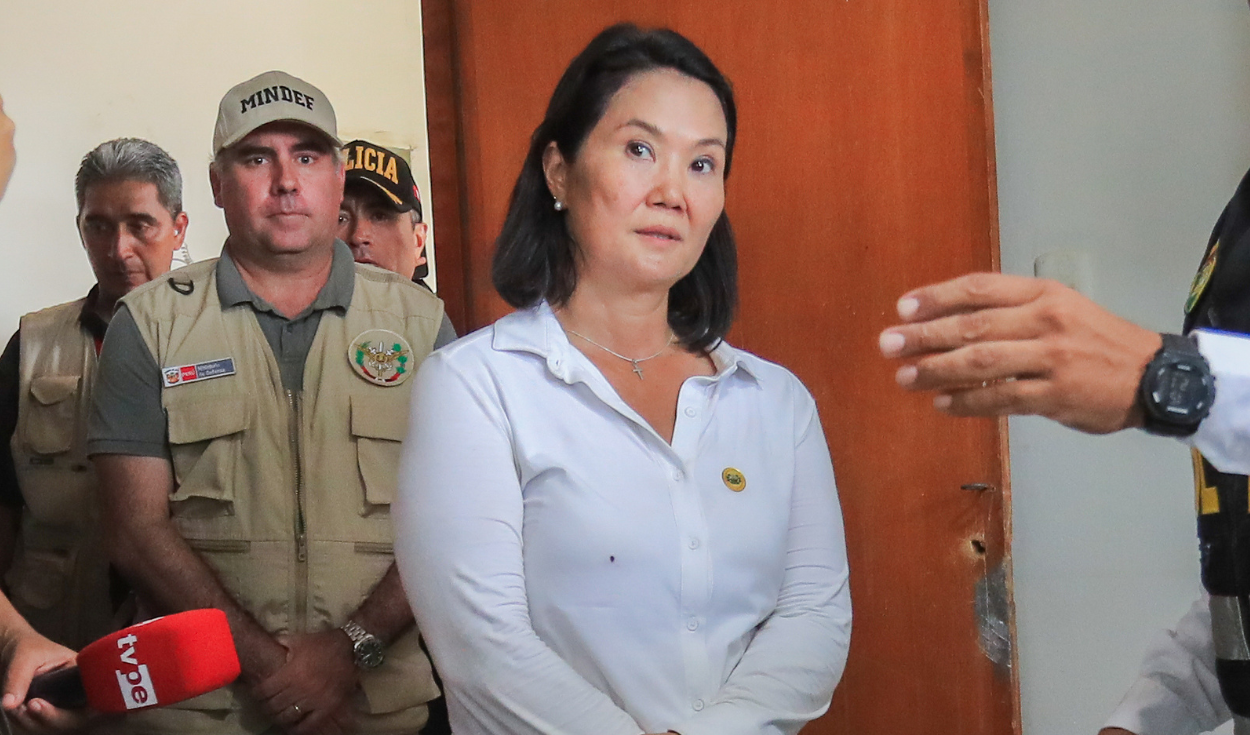
Peruvian President Keiko Fujimori has declined to endorse a disciplinary complaint filed by a senator from her party against three judges who sentenced four police officers over a 1992 prison massacre.
Speaking to reporters, Fujimori said each senator was responsible for their own opinion, distancing herself from the legal challenge launched by Fuerza Popular lawmaker Fernando Rospigliosi while stopping short of asking him to withdraw the filing.
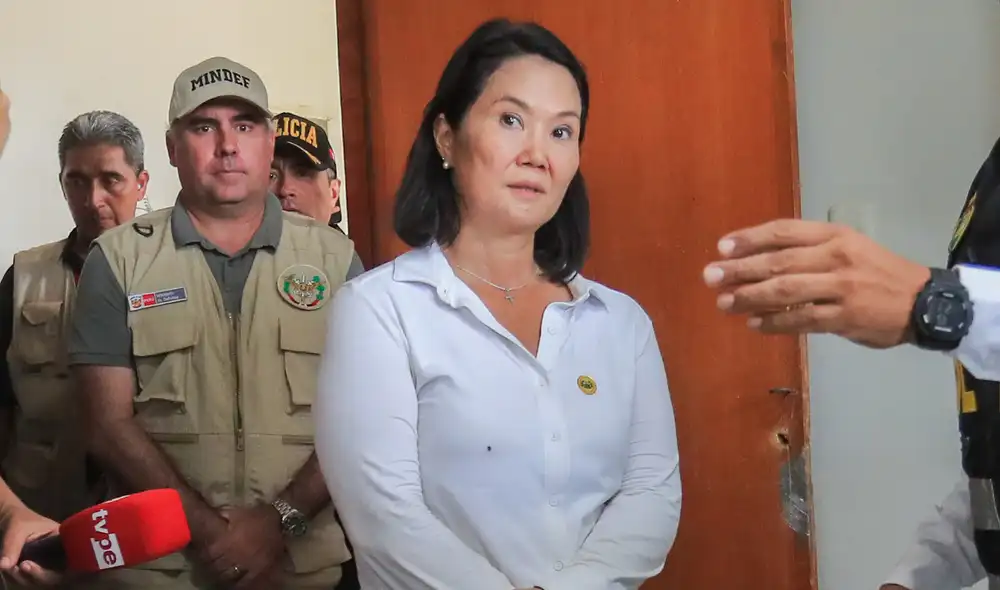
The president spoke hours after heads of Superior Courts of Justice across Peru issued a joint statement calling on political figures to respect judicial independence and stop using administrative complaints to challenge court rulings.
Fujimori, leader of the right wing Fuerza Popular party, did not defend the substance of Rospigliosi's complaint nor demand its withdrawal, leaving the matter to her party colleague and the National Board of Justice, the body responsible for judicial discipline in Peru.
The stance comes despite public commitments made by Fujimori on August 4 during a ceremony for Judges' Day, where she pledged absolute respect for the separation of powers and the independence of the judicial branch.
Disciplinary complaint over amnesty laws
The joint declaration by the regional court leaders, signed on August 11, came in direct response to a petition Rospigliosi submitted that same day to the National Board of Justice, known locally as the JNJ.
Rospigliosi requested the immediate dismissal of judges Miluska Cano Lopez, Otto Verapinto Marquez, and Helbert Llerena Lezama, who sit on the Third National Transitory Liquidating Superior Criminal Court.
The panel had sentenced four police officers to 15 years in prison over the Castro Castro Massacre, a 1992 crackdown by security forces at the Miguel Castro Castro maximum security prison in Lima during Peru's internal conflict.
In their verdict, the magistrates declined to apply two laws championed by Rospigliosi in the previous Congress: Law 32107, which sets a statute of limitations for crimes against humanity committed before 2002, and Law 32419, which provides amnesties to police officers and military personnel prosecuted for actions during counter subversive efforts.
Rospigliosi argued that refusing to enforce the statutes ignored a ruling by the Constitutional Court of Peru and constituted a severe official infraction.
Judicial leaders invoke constitutional protections
The response from the judiciary was signed by court presidents from regions including Piura, Lima Norte, Arequipa, Junin, Cusco, Callao, La Libertad, Lambayeque, and Huanuco.
Citing Article 139 of the Constitution of Peru, the judicial heads insisted that any legal disagreement with a court ruling must be handled through formal appeals rather than disciplinary sanctions against magistrates.
The document also warned against intimidation and the instrumentalisation of public institutions to exert pressure on judges evaluating human rights cases.
The move against the Castro Castro panel reflects a broader pattern of filings by Rospigliosi against prosecutors and judges who decline to apply his amnesties.
In July, the senator filed a disciplinary complaint against prosecutor Rosario Quico Palomino in a similar case. In March, he joined lawmaker Jorge Montoya to target judge Jorge Chavez Tamariz.
In August 2025, Rospigliosi filed a complaint against judge Richard Concepcion Carhuancho, resulting in the JNJ suspending the magistrate for six months in June 2026.
Warnings of political pressure on judges
The escalating confrontation aligns with warnings delivered on August 4 by the President of the Judiciary, Janet Tello, during the Judges' Day ceremony attended by Fujimori.
Tello warned that removing a magistrate simply because a political authority disagreed with their judicial criteria would strip away judicial independence entirely, describing such an outcome as arbitrary.
The judicial chief stressed that attacks on judges carry greater severity when coming from political figures dissatisfied with a decision, particularly when those figures hold a direct interest in the outcome of the proceedings.
Tello also rejected claims that Peruvian courts engage in political persecution against military and police personnel, stating that investigating unlawful acts is an obligation to uncover truth rather than a campaign against security forces.
With Fujimori declining to intervene, the National Board of Justice must now determine whether to open formal disciplinary proceedings against the three judges.