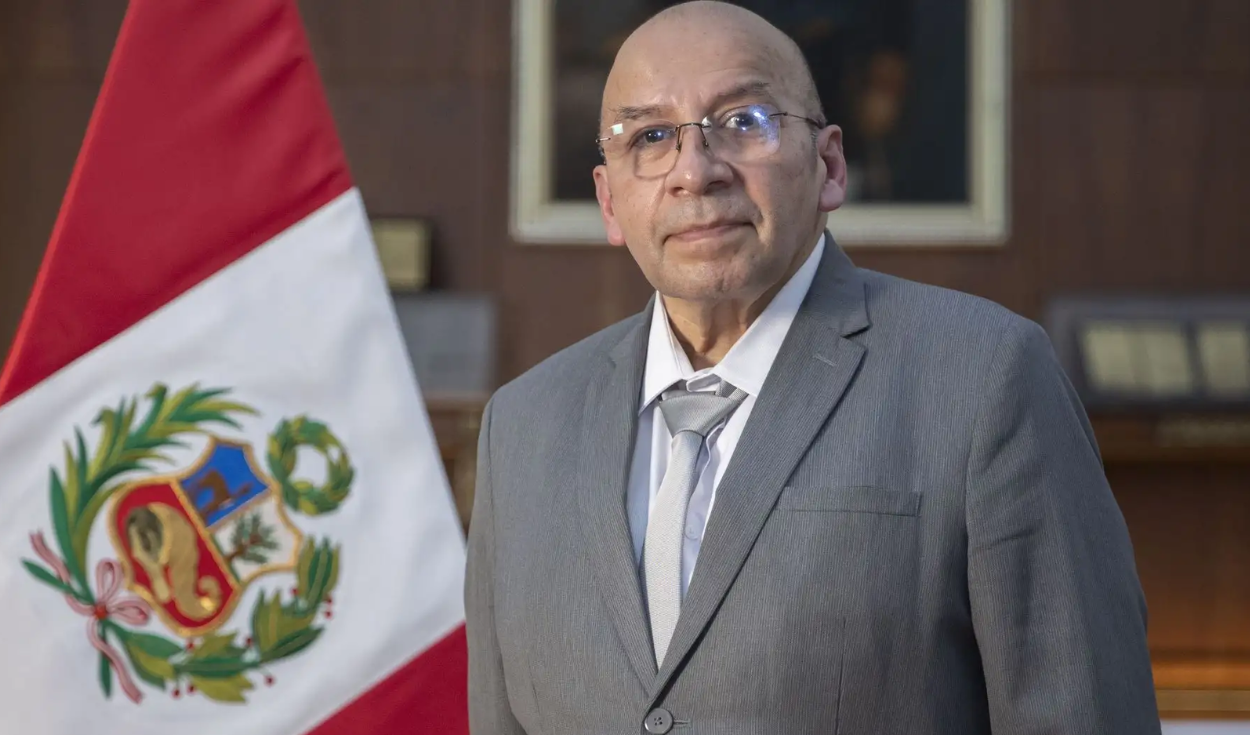
Former Economy Minister Kurt Burneo has criticised Peru's Congress for approving unconstitutional spending laws that lack financial backing.
Burneo, who also serves as a professor at Centrum PUCP, said lawmakers acted populistically to gain favour with voters while ignoring constitutional rules that prohibit Congress from initiating public spending. His comments come as the executive branch prepares to challenge a package of four unconstitutional laws before the Constitutional Court.
The spending laws were originally backed by majority parliamentary groups, including Fuerza Popular. However, the current government now describes the measures as fiscally irresponsible. Burneo said responsibility for the crisis is shared between the previous Congress and the Constitutional Court, which initially validated the spending initiatives despite clear evidence of constitutional violations.
Fiscal policy and temporary revenue
Burneo described approving unfinanced public spending as the opposite of sound fiscal policy. He stressed that state expenditure cannot be expanded without identifying permanent source revenues to cover the costs.
The former minister highlighted that even where funding mechanisms were specified, lawmakers attempted to fund permanent commitments using temporary revenue spikes from rising international metal prices. He warned that metal price surges are inherently temporary and cannot sustain permanent public expenditures over time.
He backed current efforts by the Ministry of Economy and Finance to challenge the laws, arguing that public spending cannot increase without permanent income streams to support it.
Executive inaction and budget formulation
Burneo stated that previous executive cabinets share blame for the fiscal breakdown due to their passive response. When Congress enacted unconstitutional laws, past ministers failed to submit timely legal challenges, allowing parliamentary overreach to destabilise national finances.
As the government prepares the national public budget, Burneo said the executive branch must submit bills for budget balance and public debt alongside an updated Multiannual Macroeconomic Framework. He noted that policymakers must address existing legal obligations clearly while recognising that solutions cannot apply retroactively.
Addressing specific commitments, Burneo backed the finance ministry's proposal to implement benefit gratifications for CAS contract workers gradually. He explained that funding 100 percent of these worker benefits immediately was unmanageable without additional budget injections. He added that a recent Constitutional Court ruling rectifying its position on congressional spending power provides the legal ground to annul all four laws.
Institutional weakening and teacher pensions
Burneo explained that the Ministry of Economy and Finance lost institutional strength in recent years because its legal authorities were repeatedly overridden. He recalled that during his tenure as economy minister, he insisted that ministry competencies were non-negotiable to prevent Congress and fellow cabinet members from imposing unfinanced spending.
Burneo also endorsed warnings issued by the Fiscal Council regarding a legislative measure for retired teachers. He stated that the teacher pension law effectively revives the former life pension scheme, known as the cédula viva, which created unsustainable pressure on state coffers before being abolished under the administration of former President Alejandro Toledo.
Burneo concluded that Peru faces a serious fiscal imbalance driven by new permanent spending tied to temporary funding sources. He warned that the government must build economic credibility by taking firm legal action to eliminate these unconstitutional fiscal risks.