Peruvian President Keiko Fujimori has completed her first 30 days in office without delivering major policy achievements or fulfilling election security promises, political analyst Paula Távara wrote in a commentary published by 247 News Agency.
Távara argued that the new administration has failed to provide Peruvians with clear solutions to pressing economic and security demands, leaving the country without a defined governing direction 30 days after taking power.
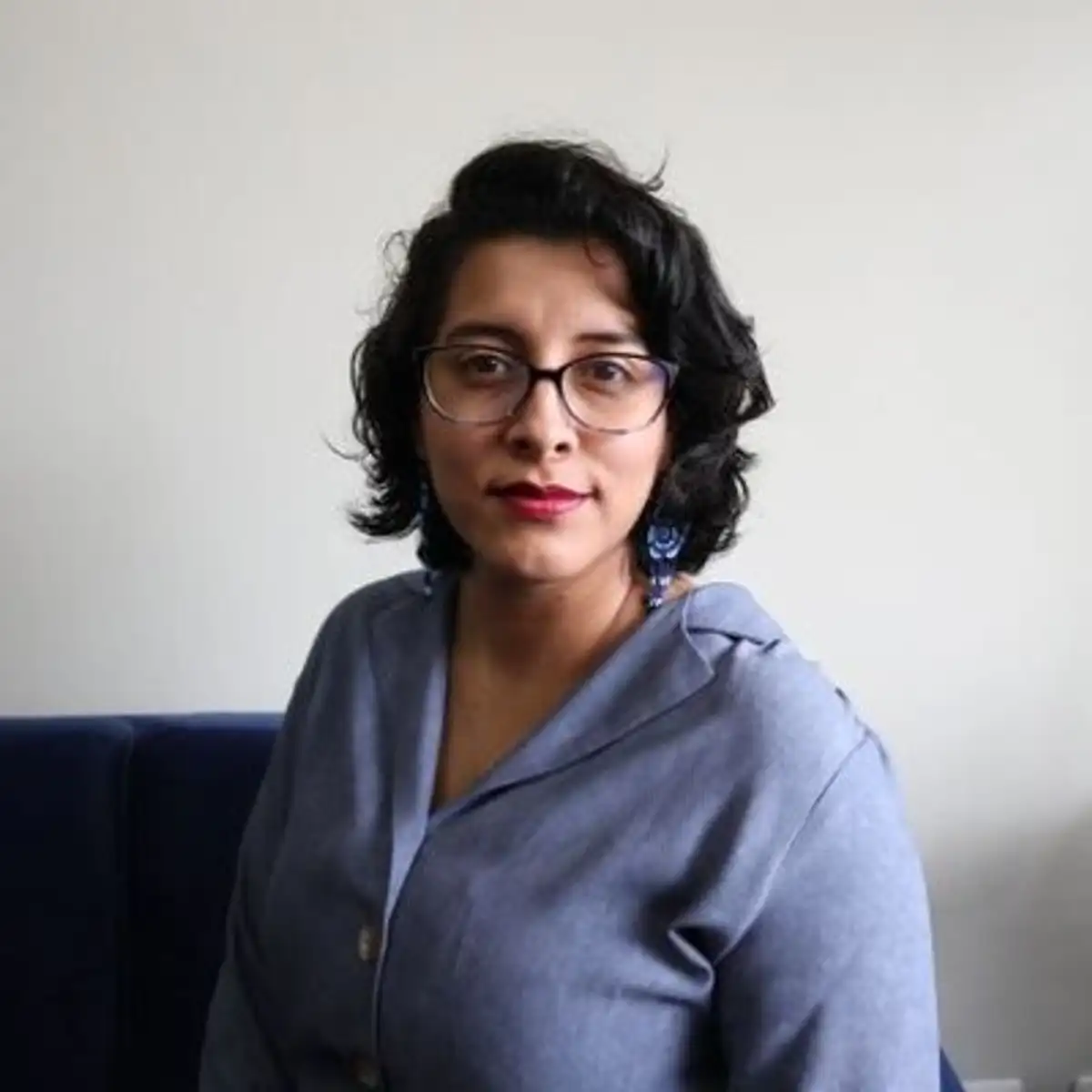
Távara, a political scientist, public servant, and university professor holding master's degrees in public policy and political leadership, noted that Fujimori campaigned on promises of order, security, and a highly capable cabinet. Fujimori, leader of the right-wing Popular Force party, spent 15 years seeking the presidency before taking office.
However, Távara wrote that no notable successes, management achievements, or memorable course corrections have occurred during Fujimori's initial month. While fears of a dramatic authoritarian shift or final blow have not materialized, daily life for citizens has not improved.
The analyst highlighted Fujimori's limited public profile, describing her appearances as infrequent and largely irrelevant. In one notable instance, Fujimori made public comments regarding facial skincare routines on the same night that Villa El Salvador, a heavily populated working-class district in southern Lima, suffered severe urban flooding.
Stalled Legislation and Economic Delays
Shortly after taking office, the administration faced controversy when a leaked request for legislative powers revealed a focus on liberalizing employment and industrial regulations rather than addressing public safety concerns. The draft generated widespread criticism and internal friction within the cabinet, leading officials to shelve the document.
In response to the lack of tangible results after 30 days, Fujimori attributed her administration's inertia to previous governments, claiming they left lamentable economic figures that are difficult to reverse quickly. She urged citizens to grant her government time to organize public administration before expecting visible progress.
Távara rejected the president's defense, reminding readers that Fujimori and her party were directly responsible for appointing and sustaining those prior administrations. She added that while citizens understand major structural transformations take months or years, voters expected rapid leadership on measures Fujimori had explicitly promised.
Public discontent has been further fueled by an announcement that planned increases for beneficiaries of Pension 65, Peru's state assistance program for impoverished elderly citizens, will be delayed until 2027. Recipient senior citizens living in severe financial precarity currently subsist on bi-monthly stipends of 350 soles, equivalent to approximately 90 US dollars.
Although adjusting an approved annual budget presents administrative challenges, Távara pointed out that congress regularly reallocates funds for far less urgent matters. She condemned the Minister of Economy for presenting on-time payment schedules as positive news, stating that punctual disbursements are basic administrative duties rather than special favors.
Opposition Inactivity and Oversight Gaps
Távara also directed sharp criticism at Peru's political opposition forces, describing their oversight during the first month as low intensity despite campaign pledges to mount a firm democratic counterweight to the executive branch.
The main opposition pushback to date has centered on statements by the Minister of Justice and the Minister of Culture regarding state jurisdiction over the Lugar de la Memoria, la Tolerancia y la Inclusión, a Lima museum commemorating victims of Peru's internal armed conflict between 1980 and 2000.
While sharing concern over the museum's future, Távara argued that opposition lawmakers are failing to act decisively on critical national issues. She questioned the absence of a high-profile legislative campaign to repeal controversial pro-crime laws passed in recent sessions, which critics say weaken law enforcement.
Távara also criticized opposition leaders for failing to summon government ministers to explain emergency preparation plans for the El Niño climate phenomenon. The recurring weather pattern threatens severe rainfall and widespread flooding across major portions of Peru beyond Villa El Salvador.
Furthermore, Távara raised concerns over whether lawmakers returning from their monthly constituency representation week will summon the Minister of Health. The summons would address the reported violation of rights of a patient who was denied access to a therapeutic abortion, a procedure legally permitted under Peruvian law to safeguard a woman's life or health.
Távara emphasized that even newly elected parliamentary blocs consist of experienced political figures who had ample time to prepare strategies. Calling for strong confrontation against an administration led by a president who waited 15 years to govern, Távara concluded that Peruvians deserve both a capable government and a firm opposition to prevent further alienation between citizens and their leaders.