


Science communicator Ignacio Crespo in Madrid outlined safety guidelines and viewing instructions for the upcoming total solar eclipse on August 11, 2026. He urged the public not to let media saturation or confusion over safety precautions ruin the astronomical event.
Crespo noted that television news programs, radio shows, advertisements, and comedians have covered the eclipse extensively. He said coverage frequently repeats six basic details, including the date, time, viewing locations, hotel occupancy rates, certified eye protection, and spectator interviews.
Media outlets have previously created false alarms around astronomical events such as harvest moons, comets of the century, supermoons, and asteroid threats, according to Crespo. He said supermoons are nearly indistinguishable from a normal moon to the human eye, while harvest moons hold no real astronomical interest.
Comparison with Other Phenomena
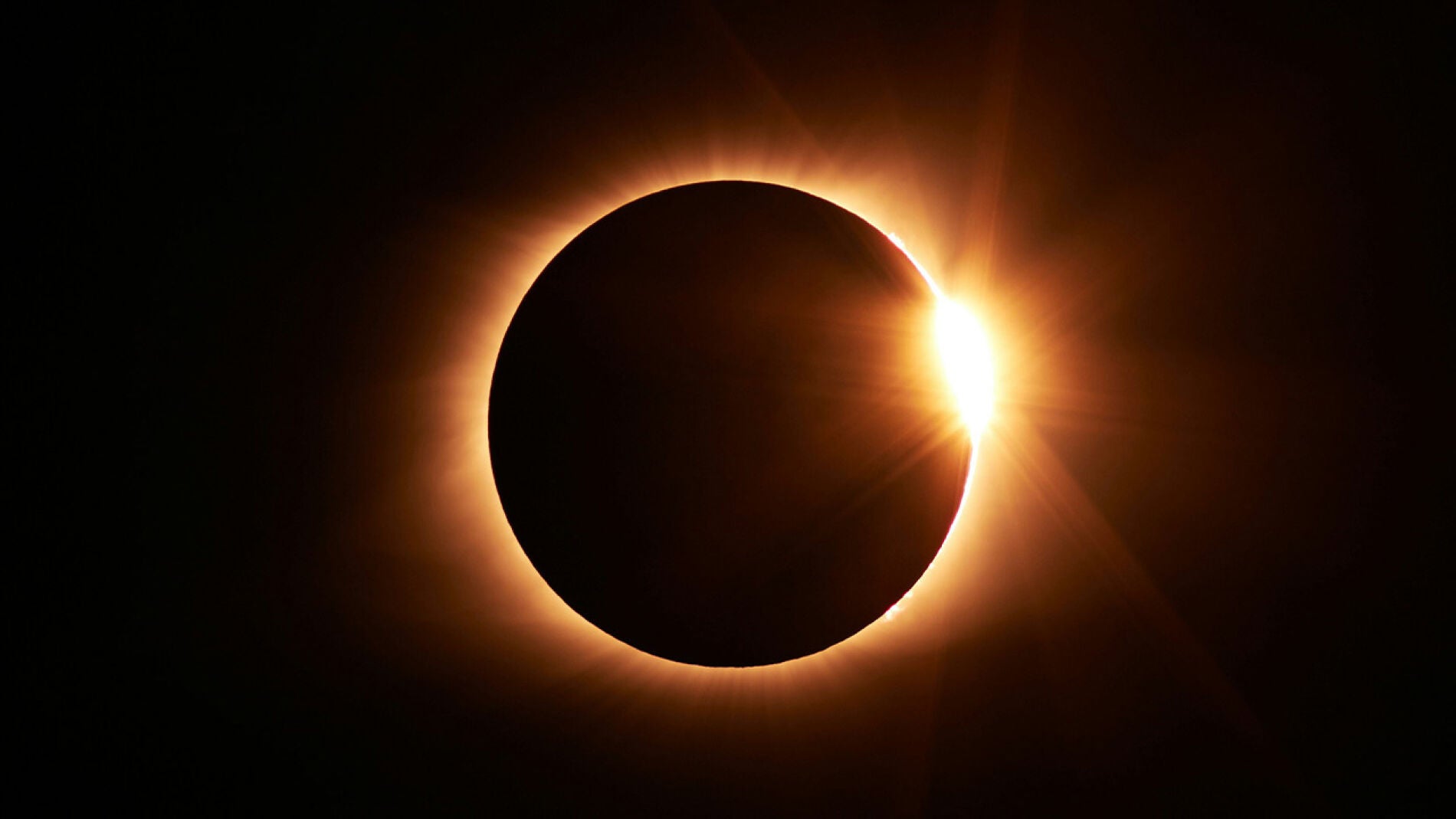
Crespo described a total solar eclipse as an unmatched spectacle compared to any other atmospheric or astronomical event visible from Earth. He rated it above the northern lights in Tromsø, Norway, which many Spanish travelers spend hundreds or thousands of euros to visit.
The upcoming eclipse allows observers in Spain to experience a rare natural phenomenon without needing to buy a plane ticket, Crespo said. He added that spectators only need certified protective glasses to view the event safely.
Eye Protection and Safety Rules
Looking directly at the Sun is dangerous at any time, but Crespo noted that contradictory and alarmist warning messages have created unnecessary anxiety among the public. He said some people have become overwhelmed by complex instructions and now prefer to skip the event entirely.
Viewing safety rules remain simple and straightforward, according to Crespo. Spectators must put on certified eclipse glasses while looking down at the ground before turning to face the Sun. They must also look back down at the ground whenever putting on or removing their glasses.
Certified glasses block all light during totality, which lasts slightly more than one minute. Crespo explained that viewers can safely remove their glasses during complete darkness to observe the solar corona and surrounding twilight.
Glasses must be placed back over the eyes before the first ray of direct sunlight returns. The National Geographic Institute provides exact local timing for totality, and Crespo suggested setting a timer or alarm for 10 seconds before totality ends.
Standards and Official Information
Protective eyewear must meet the ISO 12312-2:2015 safety standard, Crespo noted. While an extremely small risk of equipment failure exists, he compared taking sensible precautions to using pedestrian crosswalks when crossing the street.
Crespo cautioned against avoiding the event out of media fatigue or contrarianism, comparing that attitude to people who boast about never watching the television show Game of Thrones. He also cautioned against participating solely out of a fear of missing out, encouraging people to make a rational choice.
Official preparations for the event have been underway across Spanish government agencies. A statement published on July 10, 2026, by the Ministry of Science, Innovation and Universities noted that Spain is preparing for its first total solar eclipse in the Iberian Peninsula in 114 years.
The State Meteorological Agency, known as AEMET, issued a special weather prediction for the total eclipse in August 2026. Additionally, the Ministry of Transport and Sustainable Mobility published big data studies analyzing mobility patterns for a series of three upcoming solar eclipses.


