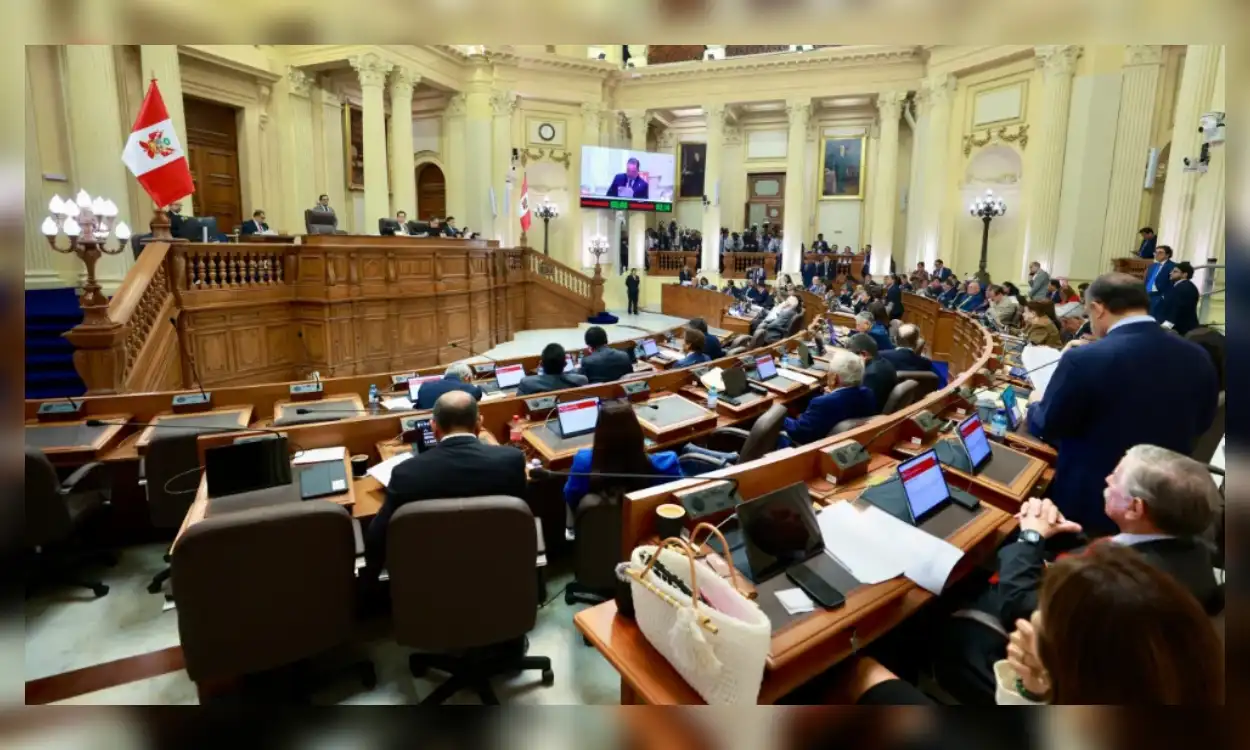
A majority of Peruvians, 51%, disapprove of Congress's decision to grant President Keiko Fujimori's government special legislative powers, according to a survey released Wednesday by the Institute of Peruvian Studies (IEP). Only 34% approved of the move, while 15% said they did not know or had no opinion.
In October, Congress granted the government legislative powers for 90 days to issue norms on citizen security and on preparing for the El Niño weather phenomenon, a recurring climate pattern that brings heavy rains and flooding to Peru's coast.
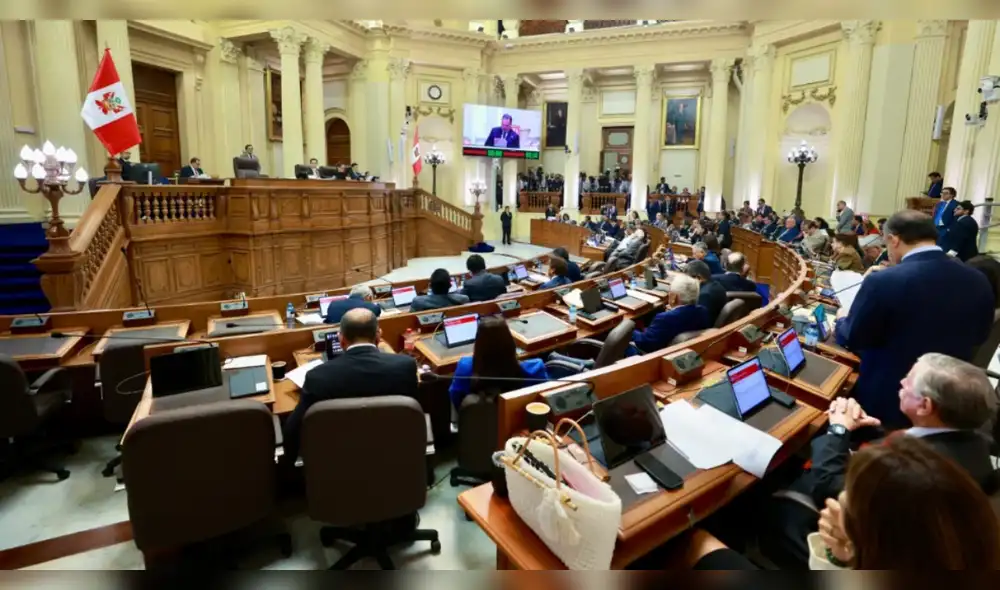
The executive branch's original request covered 66 points, but the Chamber of Deputies approved only 20 of them. The Senate later added seven more matters, bringing the final approved text to 27 points.
Lawmakers criticise Senate additions
Senator Alfonso López Chau, leader of the Ahora Nación party, questioned the Senate's decision to add seven additional matters to the 20 points already approved by the Chamber of Deputies. He argued those points should have gone through the regular legislative process as separate bills.
He said his bloc had supported the original 20 points and believed the rest should have been handled as bills, calling the Senate's approach a mistake that created unnecessary division, since voting on bills would have produced less of a split.
Humberto Morales, a lawmaker from Juntos por el Perú, also criticised the Senate for incorporating seven powers that had not been approved by the Chamber of Deputies, describing the procedure as a violation of the constitution.
Morales said the constitution and congressional rules had been violated and described the move as a coup, albeit, he added, a very subtle one.
Views split on Congress's impact on Fujimori
The IEP survey also asked Peruvians how Congress is affecting Fujimori's government. The largest share, 34%, said the legislature neither helps nor hinders her work. Another 33% said Congress is making her job harder, while 25% said it is actually helping her. The remaining 8% did not know or had no opinion.
The view that Congress has no real impact was strongest among urban respondents, at 38%, and reached 30% in Lima Metropolitana. Broken down by region, that sentiment was reported by 44% of respondents in Lima Metropolitana and 29% in the central region.
The perception also varied by age and gender. It was most common among people aged 18 to 29, at 40%, followed by those aged 30 to 49, at 37%. More women held this view, at 37%, than men, at 30%.
Breakdown by income and ideology
Across economic levels, the perception that Congress has little effect on the executive was fairly consistent: 36% among the A/B bracket, 33% among the C bracket, and 33% among the D/E bracket. By education level, the figure was lower among those with basic education, at 29%, and higher among those with higher education, at 38%.
Respondents who identified with the left were slightly less likely to see no impact, at 35%, compared with 43% among those who identified as centrist. The same neutral view was shared by 37% of those who described themselves as very interested in politics.
The IEP is a Peruvian research institute that regularly publishes opinion polls on political and social issues, including approval ratings for the government and Congress.