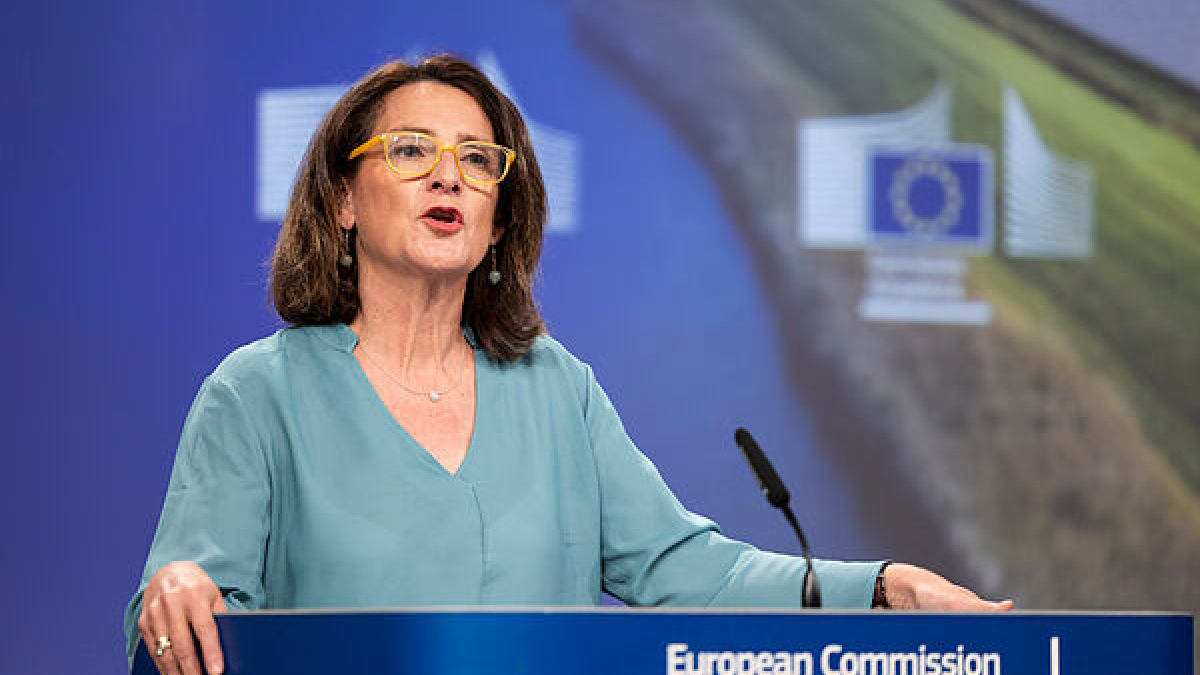
Greece is on course to shed its reputation as the European Union's “king of debt,” with Italy set to take over as the bloc's most indebted state by the end of 2026, according to a report in the German business newspaper Handelsblatt.
Handelsblatt reported that Italy is expected to reclaim the position of the EU member state with the highest public debt-to-GDP ratio by the end of this year, a ranking it last held in 2006. For much of the past two decades, Greece has carried that distinction instead, a legacy of the sovereign debt crisis that forced it to accept international bailouts between 2010 and 2018.
Pierrakakis points to healthier finances
Kyriakos Pierrakakis, Greece's Minister of National Economy and Finance, said the shift marked a turnaround in the country's public finances. He said that a few years ago, Greece was still the country with the biggest fiscal problems in Europe, but that today it was among the countries with the healthiest fiscal metrics.
Pierrakakis has set a target of cutting Greece's public debt to 110% of gross domestic product by 2030. His plan also includes the early repayment of the loans Greece received under its bailout, or “memorandum,” programmes, and an ambitious goal of securing an “A” credit rating from international ratings agencies.
Four-year fiscal plan reviewed in Athens
The targets came as Greece's cabinet, meeting in Athens on 25 November under Prime Minister Kyriakos Mitsotakis, examined Pierrakakis's fiscal planning for the next four years. Mitsotakis told ministers at the start of the meeting that the plan reflected the transition of the economy to a new, dynamic phase.
Background: years as Europe's most indebted state
Greece's public debt ballooned during the eurozone debt crisis that began in 2009, pushing the country to the brink of bankruptcy and forcing it to accept three rescue packages from the European Union, the European Central Bank and the International Monetary Fund in exchange for deep spending cuts and tax increases. Athens exited its last bailout programme in 2018 but has continued to carry one of the highest debt burdens in the currency bloc.
Under EU fiscal rules, member states are supposed to keep public debt below 60% of gross domestic product, though several of the bloc's largest economies, including France, Italy and Greece, have long exceeded that threshold by a wide margin. Credit rating agencies such as Standard & Poor's, Moody's and Fitch grade government debt on a scale that determines how cheaply a country can borrow on international markets, with an “A” rating sitting several notches into investment grade territory.
Italy's turn at the top
Italy, the eurozone's third-largest economy, has also carried a heavy debt load for decades, though it has not topped the EU's debt-to-GDP ranking since 2006. Handelsblatt's report suggests that status is about to change again, more than twenty years later.
Test yourself
Which country is expected to become the EU's most indebted state by the end of 2026?
What debt-to-GDP target has Greece set for 2030?
Who is quoted as Greece's Minister of National Economy and Finance?
Have your say
How important do you think it is for governments to reduce public debt?
Where it happened
Athens, Greece