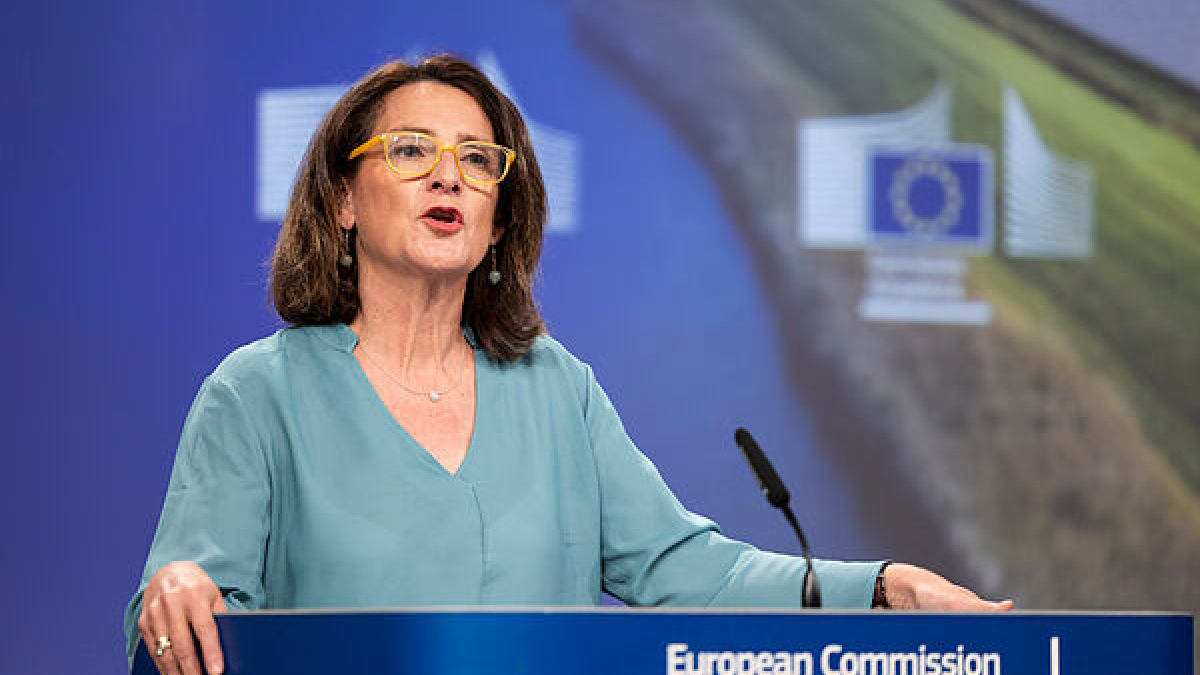
The European Commission has extended until June 2027 a special State aid framework that lets European Union member states give subsidies or favorable loans to companies struggling with higher energy costs linked to the war in Iran.
The framework was originally created after the closure of the Strait of Hormuz, triggered by the war in Iran, pushed up fuel, fertilizer and electricity prices across the bloc. Under the rules, EU countries can finance up to 70% of the additional costs that companies face on their energy bills.
The Commission said the situation in the Middle East continues to affect energy markets. It said persistent volatility in the prices of fuel, fertilizers and wholesale electricity continues to put pressure on vulnerable businesses, particularly in agriculture, fishing and aquaculture, transport, and energy-intensive industries. Given this, the Commission said it still considers temporary support justified.
Broad support from member states
The extension follows a consultation with EU member states that showed broad support for prolonging the measure. The Commission said it will keep monitoring the framework in the spring of 2027 and would be willing to extend it further if circumstances justify doing so.
Aid granted under the program is capped at 50,000 euros per beneficiary. With the extension, companies that have already received subsidies or soft loans of this kind under the scheme will be able to qualify again.
Who can receive the aid
In April, Brussels identified fishing, agriculture, transport and large energy-intensive industry as the potential recipients of the new aid. For the first four corporate segments, the Commission set the compensation ceiling at up to 70% of the additional costs stemming from higher fertilizer and fuel prices.
Brussels specified that if countries choose favorable loans instead of non-repayable subsidies, the aid ceiling can rise to 100% of the extra costs these companies have incurred.
For industry, the Commission raised the aid intensity that could already be granted under the Green Deal, from 50% to 70% of the electricity cost for subsidizable consumption. The subsidy, in any case, cannot exceed 50% of the total consumption of the beneficiary companies.
How the process works
To roll out the aid, countries must submit a request to the European Commission, which reviews each subsidy scheme to confirm it complies with the new framework and does not distort competition within the EU. Commission officials have a maximum of two months to carry out this review, though the process is expected to move much faster, typically taking just a few weeks from the moment a notification is received.
Under normal EU rules, State aid is tightly restricted to ensure companies compete on equal terms across the European Union, without gaining advantages based on how much fiscal room their home country has. Since the 2020 pandemic, however, the Commission led by Ursula von der Leyen has introduced several temporary frameworks that have opened the door to this kind of exceptional support.
What happens next
The European Commission said it will monitor the framework in the spring of 2027 and would consider extending it again if the situation justifies doing so.
Test yourself
Until when has the European Commission extended the State aid framework?
What percentage of additional energy costs can EU countries typically cover under the scheme?
What event originally triggered the creation of this aid framework?
Have your say
Should the EU keep extending energy aid for companies affected by the Iran war?
Where it happened
Brussels, Belgium