Greece will introduce price reductions of up to 30 percent on more than 1,600 supermarket items from Monday, August 31.
Development Minister Takis Theodorikakos confirmed the initiative under the National Social Agreement, while announcing that the Greek government also plans to extend a subsidy on diesel fuel.
The government initiative originally targeted more than 1,500 product codes but has been expanded to cover nearly 1,660 everyday goods. Price cuts will range between 5 percent and 30 percent, with the final list currently in its closing stages of preparation before launching on Monday.
Participating products will feature special labels on store shelves to allow shoppers to identify discounted items and compare prices easily. The complete registry of reduced price product codes will also be made available online.
The Ministry of Development functions as the Greek government department responsible for market supervision, trade regulation, and consumer protection policies across the country.
Supermarket product price reductions
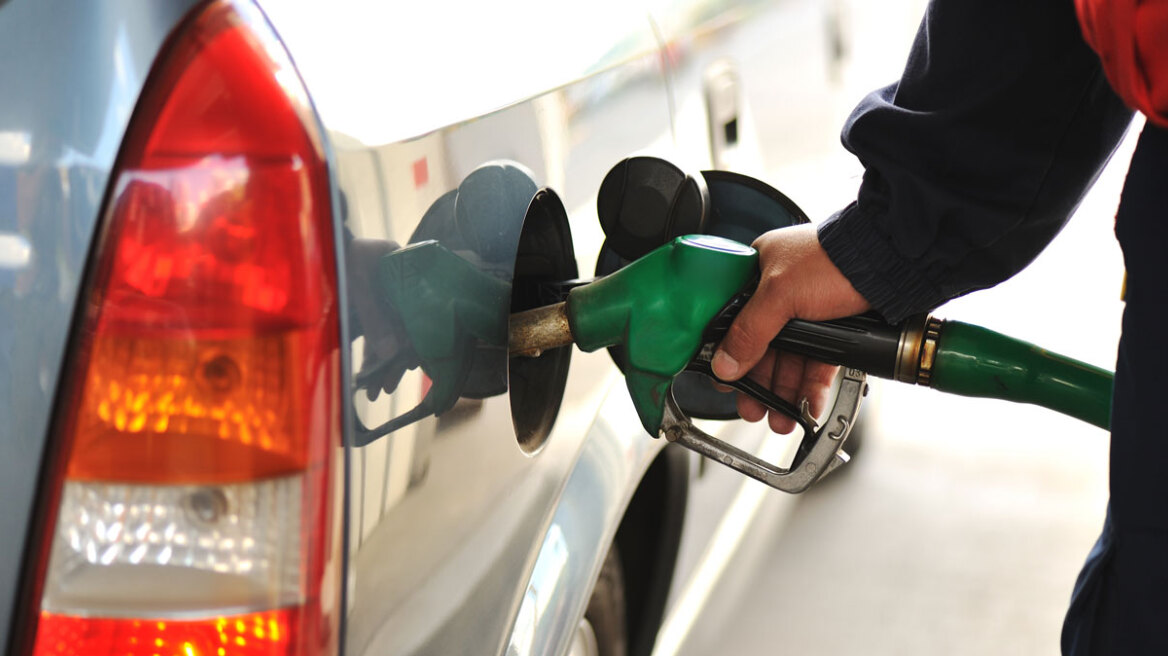
Alongside supermarket price relief, ministers are preparing to maintain a government subsidy of 10 cents per liter for diesel fuel. Theodorikakos told public broadcaster ERT3 that the measure had been discussed directly with the prime minister.
The exact length of the subsidy extension remains undecided because the final timeframe depends on international energy market trends and ongoing developments in the Middle East conflict.
Government officials are also monitoring whether domestic oil refineries will prolong their voluntary price discounts. For the past two months, refineries have provided price reductions of 10 cents per liter on unleaded petrol and 5 cents per liter on diesel fuel.
ERT3 is Greece's state-owned regional television channel, operating as part of the Hellenic Broadcasting Corporation from Thessaloniki.
Refinery prices and retail fuel market trends
Refinery prices for diesel have already experienced a notable downturn. Over the past week, wholesale diesel fell by approximately 9 cents per liter, dropping from 1.48 euros on August 22 to 1.39 euros per liter.
The decline in wholesale fuel costs followed broader international movements in Brent crude, which has been trading around 88 dollars a barrel. In contrast, refinery prices for unleaded petrol have remained largely flat during the same period.
Lower wholesale costs have not yet been fully passed on to consumers at filling stations, where retail fuel prices stay elevated. However, service station owners expect the first noticeable price drops to take effect over the weekend.
Brent crude serves as a major international benchmark for global oil pricing, drawn from oilfields in the North Sea and used to price oil purchases worldwide.