


Granada City Council has launched formal administrative proceedings against private concessionaire Fontdeis SL to enforce a long-standing court ruling on the Pabellón Mulhacén sports complex without demolishing its buildings.
Municipal officials decided to advance the urban compliance plan after filing a technical proposal with the High Court of Justice of Andalusia, despite receiving no formal response from the regional court.
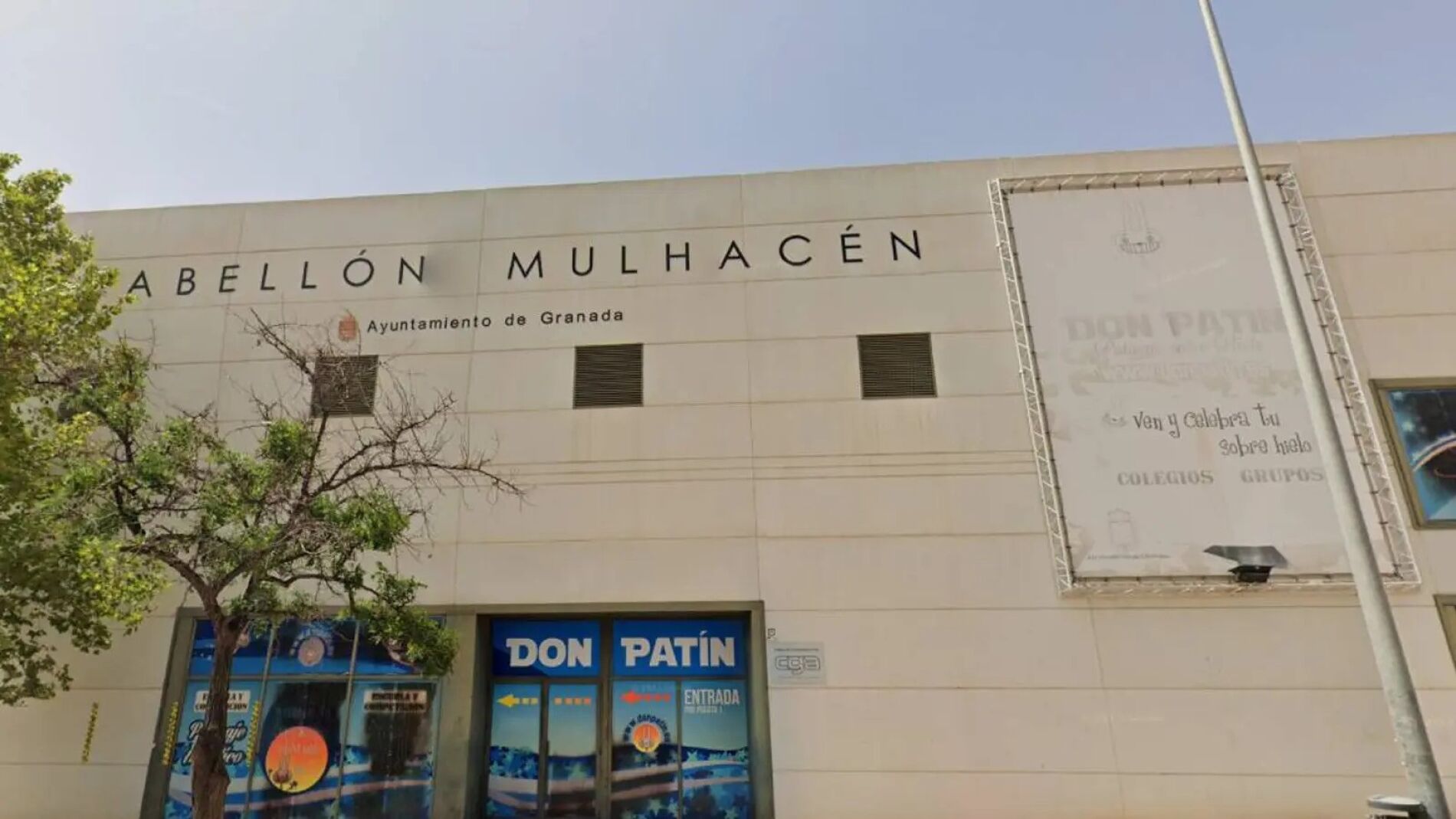
Legal advisors informed the municipal executive team that the Andalusia high court is not required to issue a specific ruling on the proposal submitted by the urban planning department. Under Spanish administrative procedure, local authorities carry direct responsibility for executing judicial sentences unless opposing parties introduce new legal challenges or appeals during the enforcement process.
To move the process forward, Granada has initiated an urban legal restoration file targeting Fontdeis SL, the private firm holding the concession to operate the sports and commercial complex. The local authority is also moving to contract a new Detail Study to reconfigure the legal and physical layout of the parcel located in southern Spain.
External technical report guides municipal roadmap
The city's administrative actions follow a technical roadmap commissioned by municipal authorities and authored by external architect Eva María Gómez Prieto. Her independent technical report, presented several weeks ago, concluded that Granada could achieve full legal compliance with the court ruling without knocking down any of the existing structures on the site.
Gómez Prieto proposed reinforcing the legal classification of the entire site as a single public endowment plot reserved for sports use. Her plan requires removing unauthorized physical additions that exceed municipal building codes and improving functional connections between the athletic facilities and adjacent dining venues, which formed the primary focus of the court's original objection.
The dispute traces back to a 2018 ruling by a Granada administrative litigation court, which was subsequently ratified on appeal by the High Court of Justice of Andalusia. Judicial magistrates declared the legal layout of the plot unlawful after finding that an unauthorized, covert division had taken place between the athletic pavilion and commercial structures designated for restaurants and catering.
Granada's municipal planning regulations permit up to 30 percent of public endowment land to be allocated for profitable commercial activities. However, regional judges ruled that physically separating the restaurant buildings from the sports arena violated the unified character required for public utility land under local planning laws.
Enforcement actions against concessionaire Fontdeis SL
To address the judicial finding, Granada's urban planning department opened a legal restoration procedure against Fontdeis SL. According to municipal technical reports, the administrative review provides legal grounds to inspect and rectify various construction works carried out on the site that lack proper urban planning authorization or cannot be legalized under current zoning laws.
Specific structures targeted for review include several glass enclosures installed along the arcades of commercial establishments, pergolas, and various auxiliary structures erected across the complex. The concessionaire firm, Fontdeis SL, has formally requested complete access to all municipal case documents and asked for an extension of the submission deadline to lodge official allegations. Municipal technical and legal teams are reviewing the company's request before taking further administrative steps.
Simultaneously, the city's urban planning division is advancing the structural remedy recommended in the architect's report by commissioning a new Detail Study. This secondary planning instrument will establish a revised zoning layout for the complex, formally recognize the exact built floor space currently on the site, and guarantee the legal and operational unity of the parcel without requiring a full amendment to Granada's General Urban Planning Plan.
Registry safeguards and financial impact
The municipal plan includes registering a formal note of indivisibility with the local Property Registry. Under Spanish property regulations, this marginal entry will legally bind the parcel, preventing any future physical or legal segregation between the sports facilities and commercial tertiary operations.
The council's strategy also incorporates minor physical modifications, such as dismantling non-compliant outer enclosures and opening internal access points to improve movement between different areas of the complex. Municipal officials emphasized that these targeted adjustments satisfy court mandates while protecting main building structures from destruction.
Granada Urban Planning Councilor Enrique Catalina stated that the local administration has a clear duty to enforce judicial decisions and a responsibility to do so with maximum technical rigor, strict adherence to the law, and full defense of the public interest and municipal resources.
Catalina added that the city council is taking all necessary steps in both judicial and administrative arenas to execute the sentence with complete legal guarantees. He noted that adapting the spatial layout of the Pabellón Mulhacén fulfills the court ruling while shielding local taxpayers from multi-million euro expenses associated with building demolition.


