

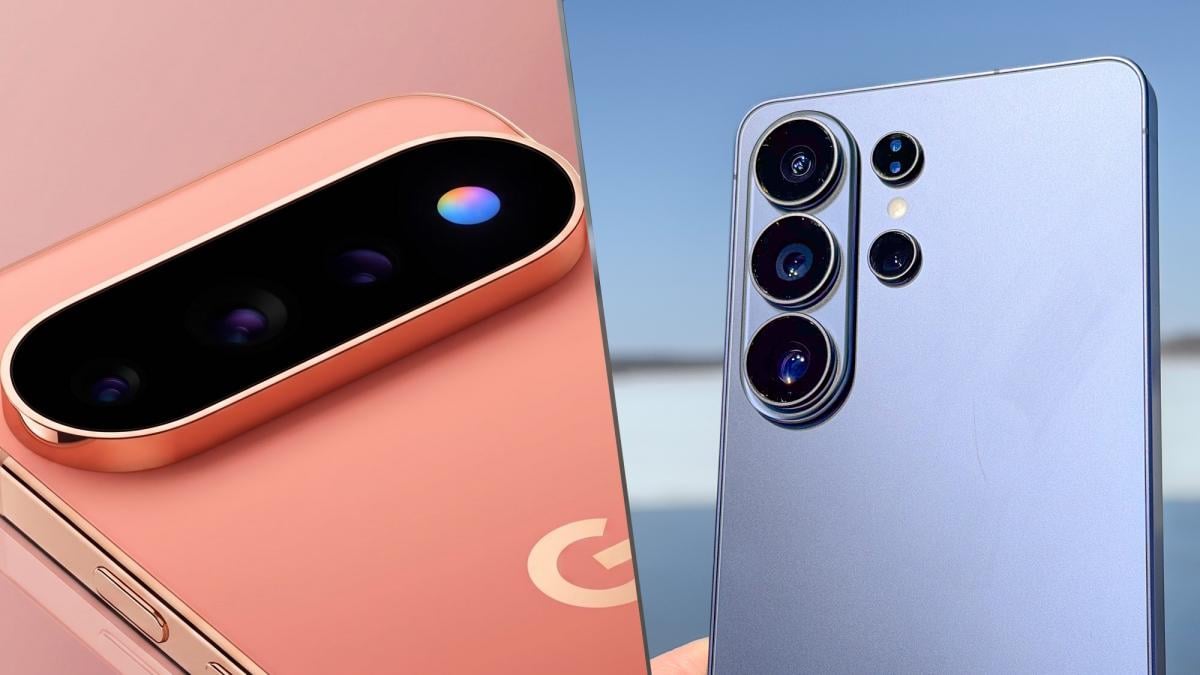
The Google Pixel 11 Pro XL and the Samsung Galaxy S26 Ultra have been evaluated in a full head to head comparison by technology portal Gizmochina to determine which top tier smartphone offers the better overall experience.
While both flagship smartphones carry roughly equivalent price tags, they represent fundamentally different design philosophies. Google focuses its flagship model on artificial intelligence features, computational photography algorithms, and a clean Android software experience, whereas Samsung equips its device with higher raw hardware performance, a versatile camera array, and stylus support.
Technology benchmark platform Gizmochina tested both phones across several key hardware categories, including display quality, overall performance, battery life, and camera specs. Flagship smartphones from major technology manufacturers regularly compete on hardware specifications and software capabilities, serving as showcase devices for each brand's mobile ecosystem.
Display specifications and screen protection
The Google Pixel 11 Pro XL features a 6.8 inch LTPO OLED display with a resolution of 1344 by 2992 pixels and a 120 Hz refresh rate. LTPO, or low temperature polycrystalline oxide, is an energy efficient screen technology that allows displays to dynamically adjust their refresh rate to conserve battery power. The Pixel screen reaches a claimed peak brightness of up to 3,600 nits, which helps screen visibility under bright direct sunlight.
In comparison, the Samsung Galaxy S26 Ultra incorporates a 6.9 inch Dynamic LTPO AMOLED 2X panel with a higher resolution of 1440 by 3120 pixels and a matching 120 Hz refresh rate. Its screen reaches a peak brightness of 2,600 nits. Samsung has equipped the panel with an anti reflective coating alongside a specialized Privacy Display feature designed to obscure screen contents from nearby observers.
Both smartphones carry an IP68 ingress protection rating, certifying the hardware as dust tight and capable of withstanding water immersion. The Pixel 11 Pro XL relies on an aluminum frame paired with Corning Gorilla Glass Victus 2 protective glass. Samsung uses a specialized Gorilla Armor 2 glass cover on the front panel, Gorilla Glass Victus 2 on the back, and an Armor Aluminum 2 frame.
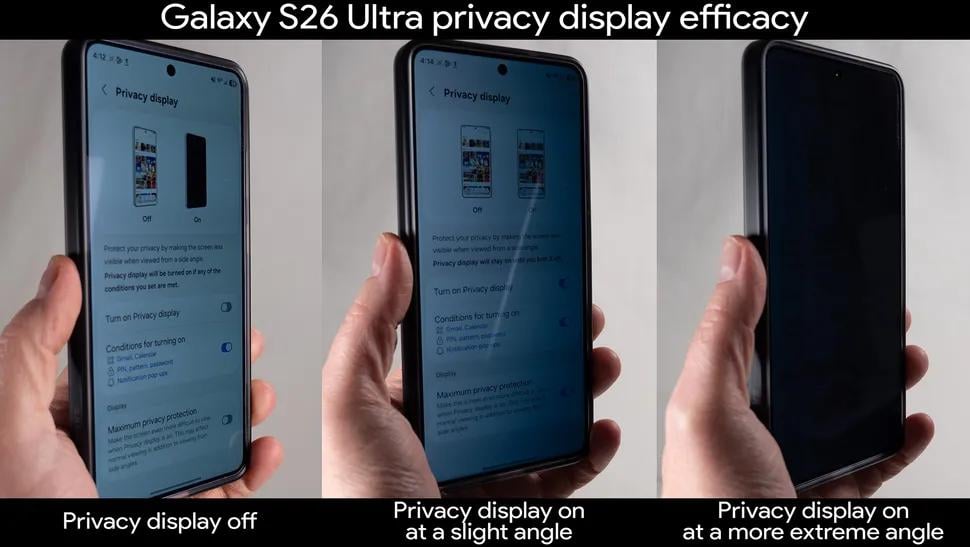
Gizmochina noted that while the Pixel 11 Pro XL boasts a higher maximum peak brightness, the Samsung Galaxy S26 Ultra takes the advantage in the display category due to its sharper screen resolution and tougher protective glass layer.
Processor performance and battery charging
Under the hood, the Pixel 11 Pro XL ships with Google's Android 17 operating system preinstalled and is driven by the proprietary Tensor G6 processor. The device comes configured with up to 16 GB of RAM and up to 1 TB of internal storage. The Galaxy S26 Ultra is powered by Qualcomm's Snapdragon 8 Elite Gen 5 processor and offers identical maximum memory configurations of 16 GB of RAM and 1 TB of storage space.
According to the comparison test, Samsung holds a distinct advantage in raw computing power. The Snapdragon processor delivers superior results during intensive mobile gaming sessions, heavy multitasking workloads, and sustained heavy processing loads. Conversely, Google's Tensor G6 system on a chip places its primary technical focus on driving artificial intelligence features and machine learning tasks.
Battery capacities and charging speeds differ slightly between the two flagships. The Pixel 11 Pro XL houses a 5,115 mAh battery supported by 45 W wired fast charging. The Galaxy S26 Ultra contains a slightly smaller 5,000 mAh battery cell but supports faster 60 W wired charging. Both smartphones support the Qi 2.2 magnetic wireless charging standard at speeds of up to 25 W. As a result, the Pixel provides a larger overall battery capacity, while Samsung offers faster wired recharge times.
Camera systems and photography capabilities
Camera hardware reveals another major difference in hardware strategy. The Google Pixel 11 Pro XL features a triple rear camera array headed by a 50 megapixel primary sensor. It is accompanied by a 48 megapixel periscope telephoto lens capable of 5x optical zoom and a 48 megapixel ultra wide angle camera. On the front, the Pixel uses a 42 megapixel selfie camera equipped with autofocus and 4K video recording capability.
The Samsung Galaxy S26 Ultra opts for a quad camera setup anchored by a 200 megapixel main sensor. This main lens is supported by a 10 megapixel telephoto camera with 3x optical zoom, a 50 megapixel periscope telephoto module featuring 5x optical zoom, and a 50 megapixel ultra wide sensor. Its front panel houses a 12 megapixel selfie camera featuring Dual Pixel phase detection autofocus and 4K video support.
Gizmochina reported that Samsung's quad camera arrangement grants greater versatility when capturing images across multiple focal lengths. By contrast, Google relies heavily on computational photography and AI software processing, positioning the Pixel 11 Pro XL as an ideal point and shoot mobile camera.
Overall benchmark verdict and flagship features
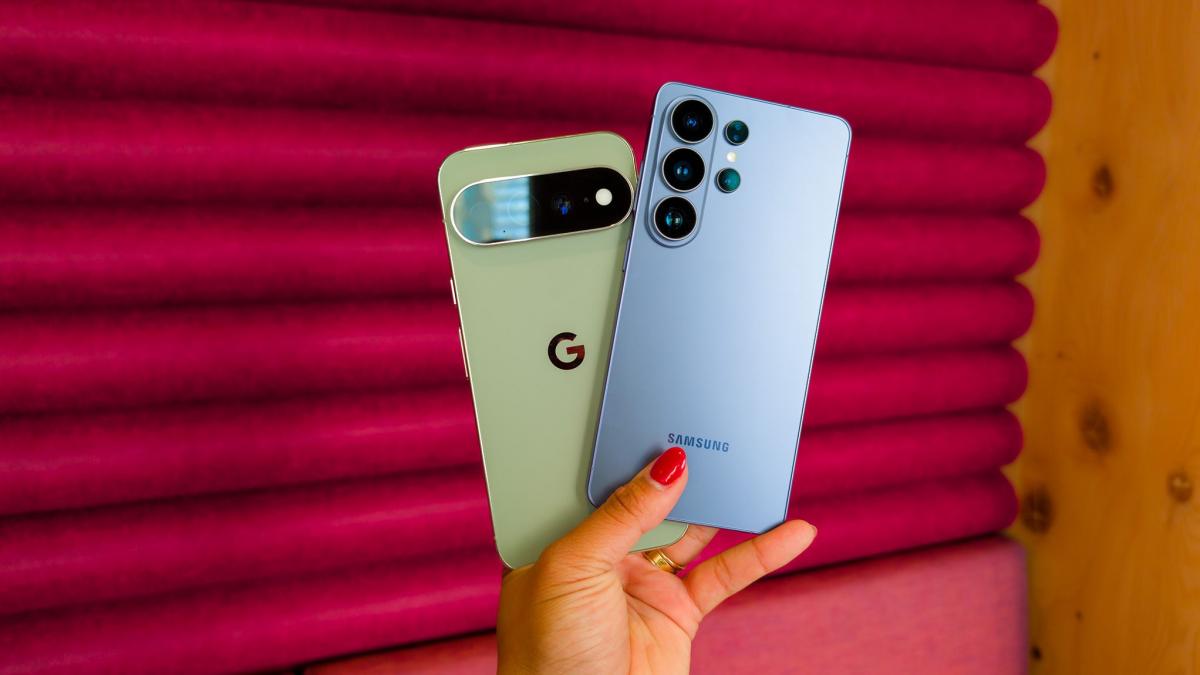
In its final assessment, Gizmochina concluded that the Samsung Galaxy S26 Ultra stands as the more versatile overall flagship device. The review highlighted Samsung's victories in raw performance benchmarks, camera versatility, wired charging speed, and productivity software tools, including the built-in S Pen stylus and Samsung DeX desktop mode, which allows the phone to function as a desktop computer.
Gizmochina found that the Pixel 11 Pro XL remains the preferred choice for users who prioritize a clean Android software interface, advanced artificial intelligence capabilities, and computational photography. Although its raw processor benchmarks lag behind Samsung, the Pixel offers a larger battery capacity and ships out of the box with Android 17.


