

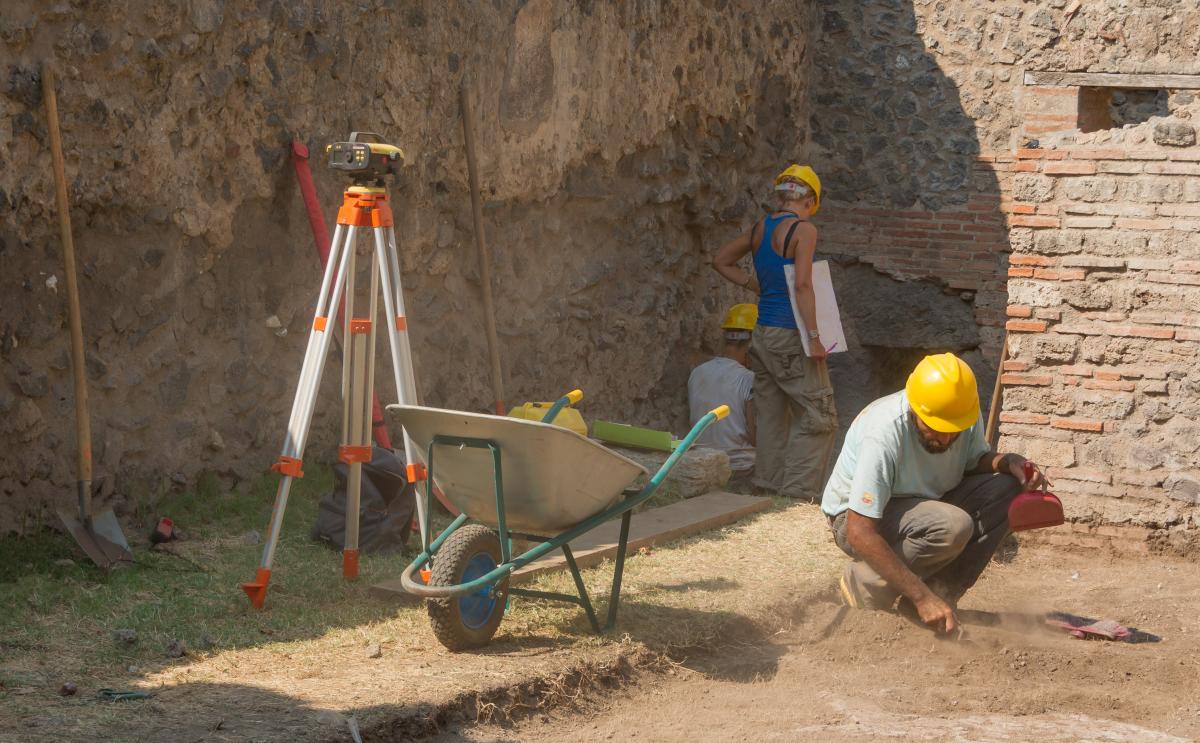
Archaeologists in Great Britain have discovered the remains of a large fourth-century Roman villa buried under Devon farmland for over 1,600 years, according to Fox News.
The ancient estate was found between the villages of Halberton and Sampford Peverell. Excavations were conducted as part of the Saving Halberton's Ancient Roman Environment project, known as SHARE, led by the University of Exeter and Cotswold Archaeology.
The most valuable find at the site is a multicolored Roman mosaic created from thousands of small stone cubes forming a floral pattern. Devon county archaeologist Bill Horner said the discovery represents the westernmost polychrome mosaic ever found in a Roman villa in Britain.
Horner said the mosaic and other signs of Roman culture and wealth show that even remote areas of the province were integrated into the Roman Empire.
Stone Structures and Artifacts
Archaeologists investigated two stone structures during the dig. Researchers believe one building was a Roman bath complex, while the second structure served agricultural purposes.
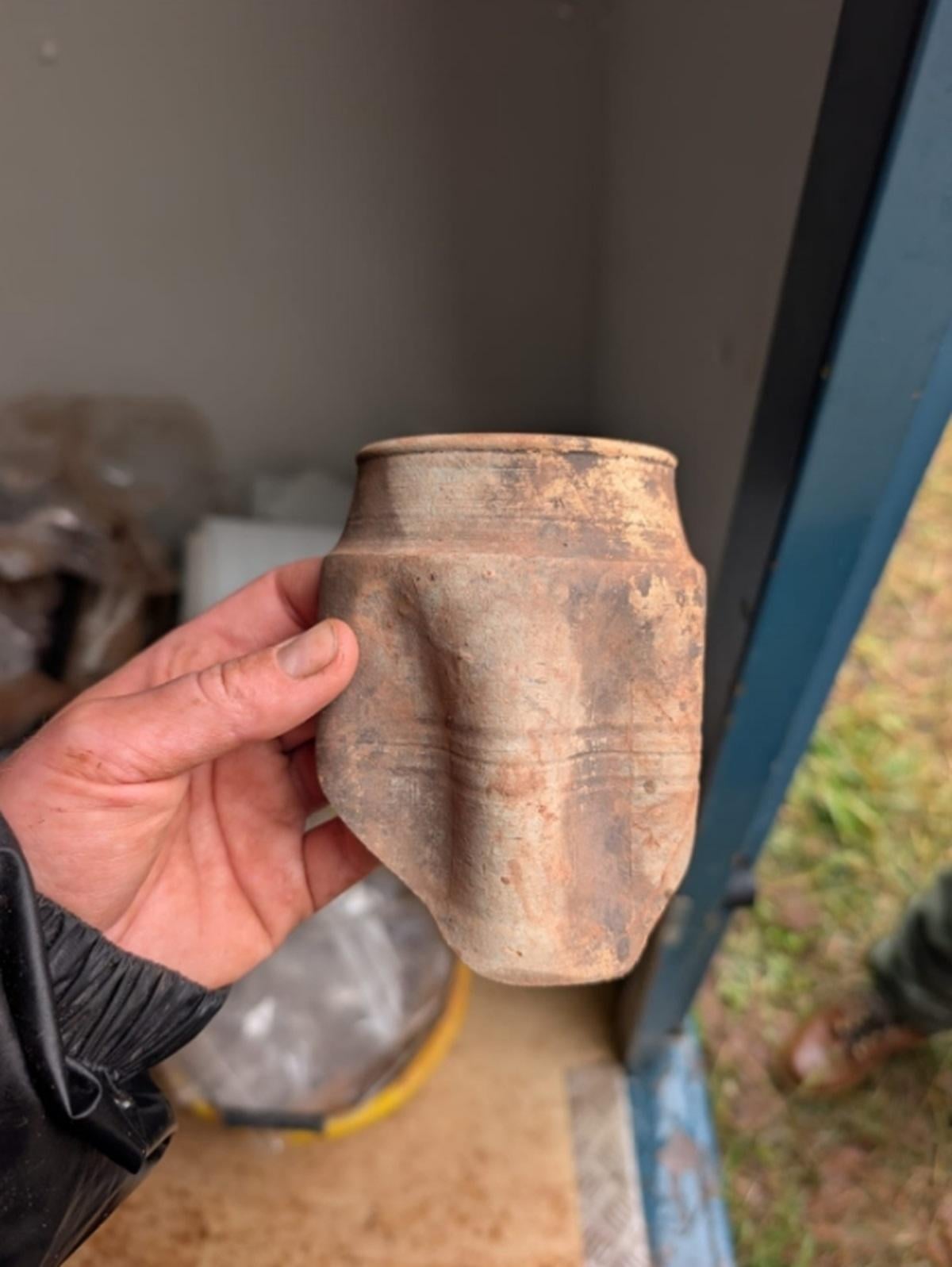
Excavators uncovered multiple items at the site, including a copper bracelet, a silver-plated spoon, a drinking cup, numerous pottery fragments, and an engraved gemstone depicting the goddess Victory.
The mosaic features red, white, and dark blue stone cubes arranged in a stylized eight-petaled flower design. Scientists believe the villa was the home of a wealthy and influential Roman family.
Susan Greaney, an archaeology professor at the University of Exeter and project leader, said researchers did not expect to find such a luxurious bath complex. Greaney said that although the team knew the site was important for studying the Romanization of Devon, the excavations yielded far more unexpected discoveries than anticipated.
Discovery History and Display
The existence of the Roman site was first uncovered in 2004 when local treasure hunter John Gill detected Roman artifacts on the property using a metal detector.
Specialists are preparing the mosaic for transport to the Tiverton Museum of Mid-Devon Life, where it will go on display for visitors.
The excavation adds to a series of significant Roman-era discoveries across Great Britain. Archaeologists found a 2,000-year-old Roman settlement in the Cotswolds last year, and workers preparing for railway construction this summer uncovered a rare Roman coin alongside a complex of ancient artifacts.


