

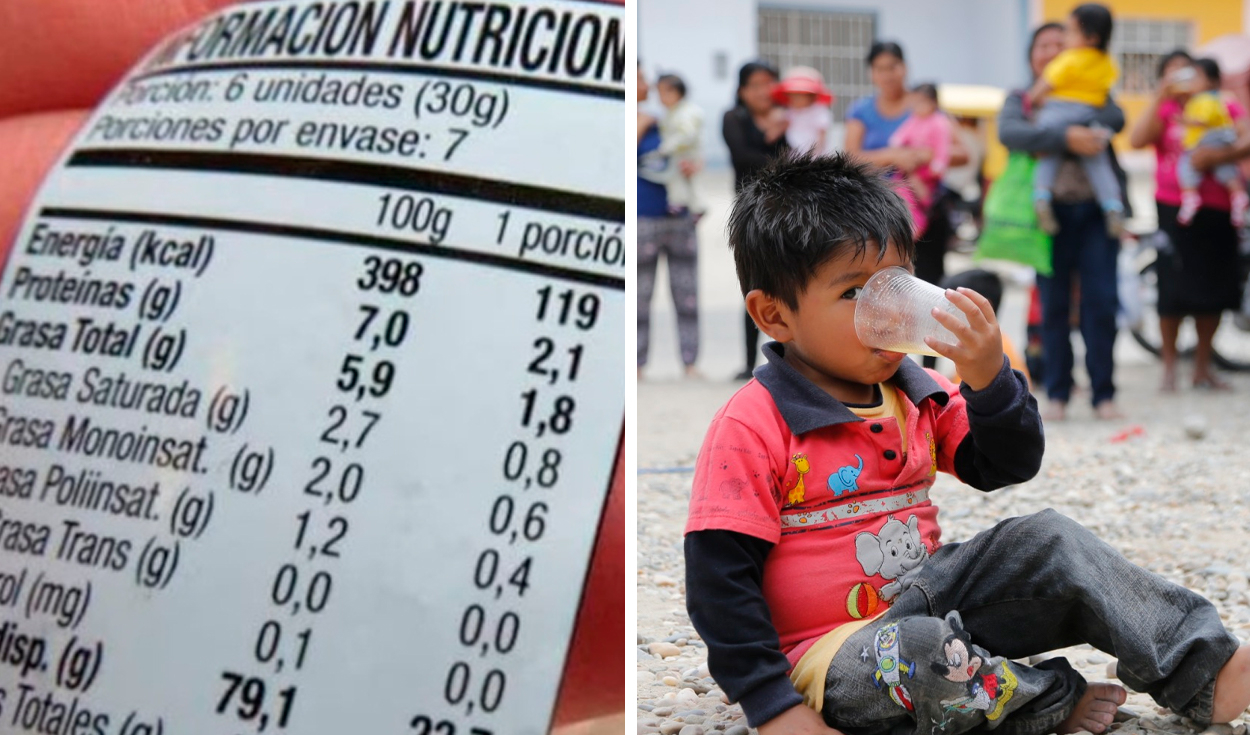
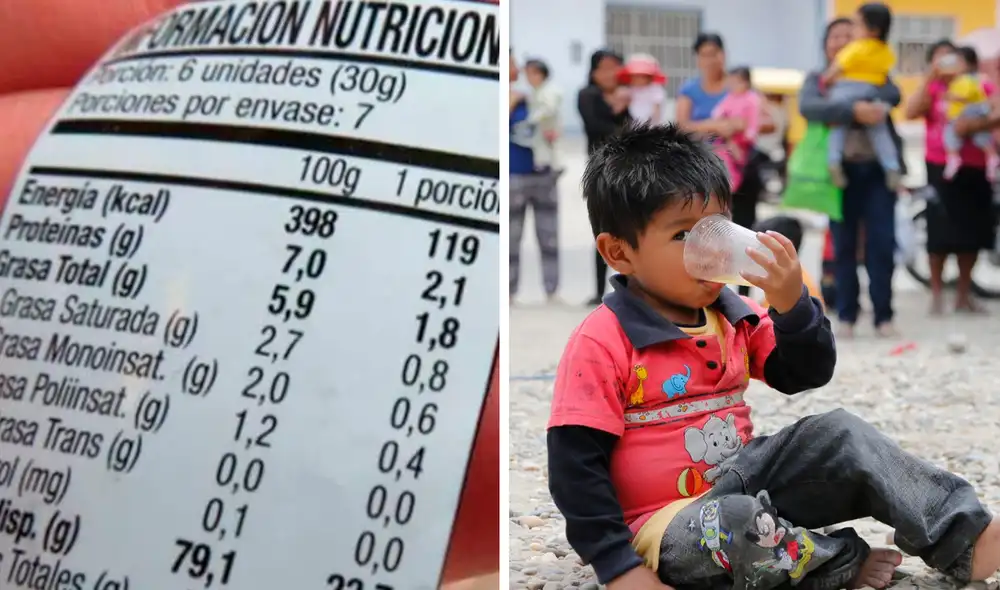
Peru's National Institute of Quality approved updated food labeling standards to present clearer nutritional information on packaged products across the country.
The National Institute of Quality, known as Inacal, passed the fourth edition of Peruvian Technical Standard NTP 209.652:2025, titled Packaged Foods. Nutritional Labeling. The regulation establishes updated criteria for declaring energy value, proteins, carbohydrates, total sugars, total fats, saturated fats, and sodium, as well as other nutrients when applicable.
The standard also sets guidelines for displaying information about vitamins and minerals when official recommendations exist or when competent authorities deem those nutrients relevant.
Jessica Huamán, a nutritionist and former dean of the College of Nutritionists, said the updated standard reinforces the right of consumers to know what products actually contain. She noted that the regulation guarantees that citizens can identify nutrients, but emphasized that it must be part of a broader national strategy to address persistent nutrition problems across Peru.
Huamán said it is especially important for nutritional information to appear on all applicable products, including imported goods and items made by small manufacturers. She explained that some products highlight positive features on front packaging, such as being high in fiber, while rear labels provide insufficient detail for buyers to determine true product composition.
Standardized nutrition tables and tolerance margins
Under the new rules, nutritional information must appear in easy to read tables. When package dimensions are too small to fit a table, manufacturers may present the data linearly.
Values can be expressed per 100 grams, 100 milliliters, per serving, or per package to help shoppers compare similar items. The standard also introduces verification mechanisms to ensure declared values match actual food content, setting technical tolerance margins between label figures and laboratory analysis results.
Front warning octagons will continue to alert consumers when critical nutrients exceed official limits, while the updated table details complete nutritional composition. Huamán suggested strengthening front labels alongside table updates by evaluating warning markers for sweeteners and specific food additives, following measures adopted in other countries.
Broader public health policies for obesity and malnutrition
Huamán warned that clearer food labels alone will not reduce obesity or overweight rates. She said preventing these conditions requires food education, reliable access to healthy food, and sustained public policies.
She highlighted that Peru faces simultaneous challenges from anemia, malnutrition, overweight, obesity, and food insecurity. According to figures cited by Huamán, anemia affected 34.9% of children aged 6 to 35 months during 2025, while chronic malnutrition reached 12.1% of children under five years old.
Data also shows that 30.5% of the Peruvian population experienced moderate or severe food insecurity in 2025. Huamán stressed that nutrition cannot continue to be addressed solely through temporary public campaigns.
Strategies for combating iron deficiency anemia
Huamán explained that addressing anemia requires a different approach than managing ultra-processed foods. Iron deficiency anemia is the most frequent form of the condition in the country.
She urged authorities to promote the consumption of natural foods rich in iron, particularly animal sources such as organ meats and sangrecita, a traditional cooked blood dish.
She noted that diet alone does not explain persistent anemia rates, pointing to factors such as access to safe water, iron supplementation, maternal education, and family socioeconomic conditions. Interventions must combine health, education, food, sanitation, and social protection services.
Proposed national policy for school feeding
Turning to school nutrition, Huamán called for a national school feeding policy that remains stable across changing government administrations. She criticized the practice of altering or restructuring feeding programs with every new administration.
Huamán noted that Peru is one of the few Latin American countries without a formal school feeding law. She urged the government to set clear nutritional goals and establish direct links between schools and local farmers so students receive fresh, natural food, citing Brazil's program as a reference model.
She advocated for placing nutritionists permanently in schools alongside existing educational staff. School nutritionists would track student growth using anthropometric evaluations, teach food education, improve kiosk and cafeteria menus, and train parents and teachers.
Community programs and consumer label reading tips
Huamán also proposed expanding nutritionist positions across local government programs, including community kitchens, unsupplied dining halls known as ollas comunes, and the Glass of Milk program. She said their involvement would optimize state food delivery, improve nutrition education, and ensure quality control for beneficiaries.
To read labels effectively, Huamán advised consumers to inspect the ingredient list rather than relying solely on front packaging. Ingredients appear in decreasing order by weight, meaning items listed first represent a major portion of the product.
She recommended checking warning octagons, the nutrition table, and the full ingredient list before buying. For young children, she advised prioritizing natural foods and limiting products with heavy additives or colorings, as early childhood is when lifelong eating habits form.
Huamán concluded that while the updated label gives consumers better information, its success depends on public understanding, official inspection, healthy food access, and addressing structural causes of malnutrition across Peru.


