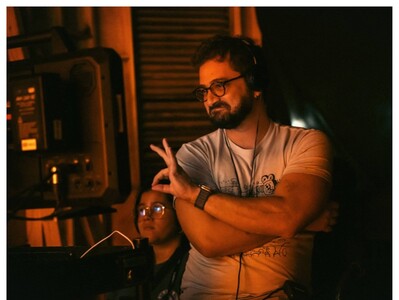
Families in the Dominican Republic preparing for the start of the school year should not overlook their children's eye health, according to Dr. Ana Ramirez, a pediatric ophthalmology specialist at the Instituto Espaillat Cabral in Santo Domingo.
With the school year set to begin in two days, Ramirez said a general checkup before classes start is ideal to confirm a child's wellbeing or begin treatment if needed. She said the eyes deserve particular attention, since catching vision problems early helps improve reading, concentration and classroom performance in children and adolescents.
Ramirez said some vision problems can go unnoticed because children do not always know how to identify or describe difficulty seeing.
She said that for a child, the way they see is their reality, and a child may assume everyone sees the same way and never mention that something is wrong. Because of this, she said, it is important for parents and teachers to watch for certain warning signs.
Signs of alert

Ramirez listed signs that may point to a need for evaluation, including sitting too close to books, notebooks or screens, squinting to see things at a distance, frequent headaches or eye strain, constantly rubbing the eyes, trouble copying from the whiteboard, and losing one's place while reading.
She said not every school difficulty is related to vision, but when these signs appear, it is worth ruling out a vision problem that could be interfering with a child's activities.
When to seek an evaluation
Ramirez recommended a pediatric eye evaluation before or at the start of the school term, especially when symptoms, a family history of vision problems, or concerns from parents or teachers are present.
She said early detection allows possible issues to be identified and addressed at an important stage in a child's visual development.
Beyond formal evaluations, Ramirez said families can encourage habits that support visual wellbeing. These include studying under adequate lighting, keeping an appropriate distance from books and electronic devices, taking breaks during long periods of screen time, and avoiding excessive use of phones, tablets and computers outside of schoolwork.
She said the return to school is a good moment to remember that visual health is part of a student's overall wellbeing, and that staying alert and seeking an evaluation when necessary can help a child face schoolwork more comfortably.