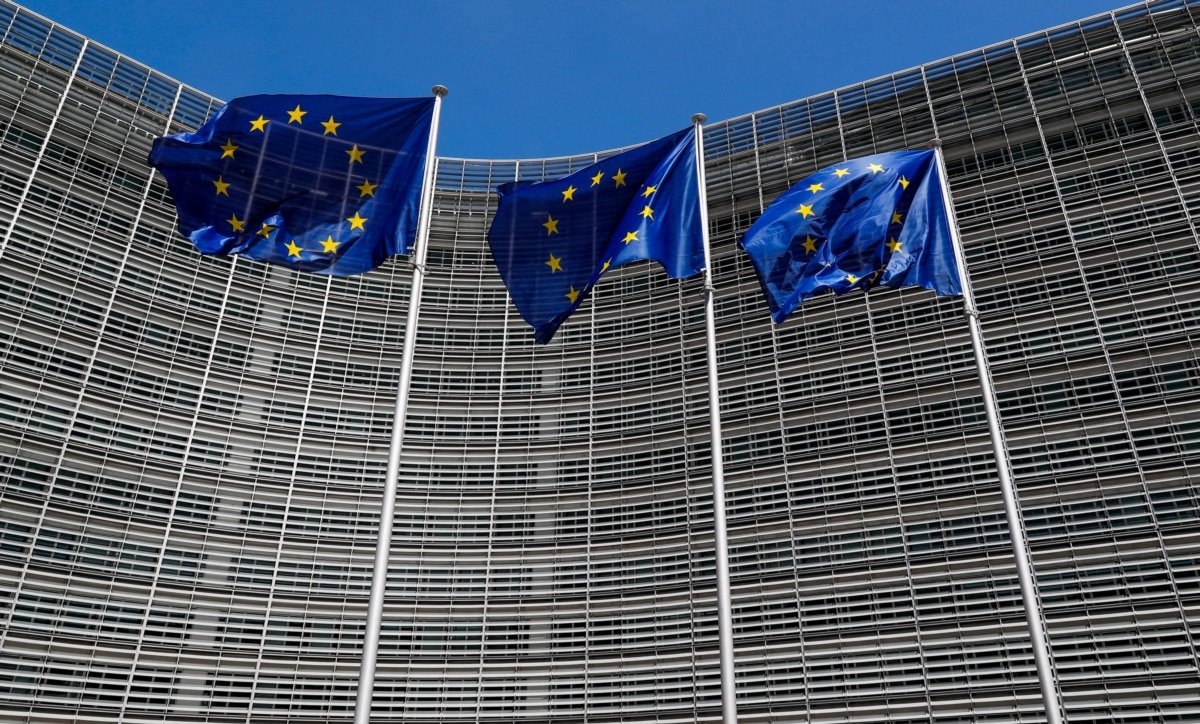
The European Union has adopted its 21st package of sanctions against Russia over the war in Ukraine, targeting banks, oil traders, the so-called shadow fleet and Russian energy revenue. The list includes Russian billionaire Mikhail Gutseriev, who is of Ingush origin, along with a series of companies operating in southern Russia, close to the war zone, including the airports in Mineralnye Vody and Rostov-on-Don and a Novorossiysk agency that recruits sailors for the shadow fleet.
Southern Russia targets
The new sanctions list includes the airports in Rostov-on-Don and Mineralnye Vody; the southern banks Kuban Credit, Yug-Investbank, Center-invest, RostFinance and Nokssbank; the Rosneft-owned repair company KNG-Mashzavodservis in Kuban; the Novorossiysk-registered crewing company Aquamarine Ship Management; the Rostov joint-stock company Aluminum Metallurg Rus, the largest producer of aluminum semi-finished products in southern Russia; the Volgograd plant Krasny Oktyabr, one of the country's largest metal suppliers; the Stavropol plant Elektroavtomatika; the Kalmyk Oil and Gas Company; and the sea port in the village of Olya in Astrakhan region.
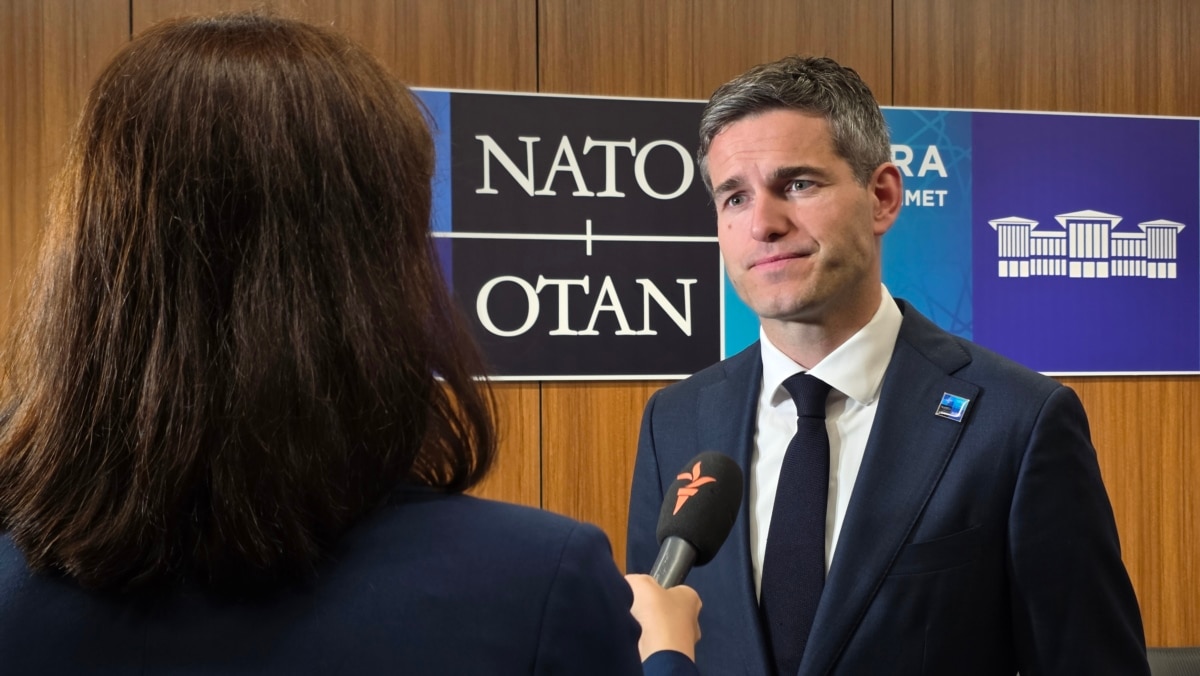
Illia Shumanov, managing partner at TriTrace Investigations, told Radio Svoboda's Caucasus.Realii service that the package pursues specific goals rather than reflecting a shortage of larger targets. He said several lines run through the package: some continue old priorities, while others reflect new trends. According to Shumanov, smaller companies should be judged not by their size but by their role in the oil fleet, refining and logistics, in the military-industrial supply chain, or in the payment circuit that includes banks and the crypto services that have emerged in Russia. He added that another driver is the ongoing effort by Russian businessmen to contest their sanctions in court, which pushes the EU to refine the criteria that keep them listed.
Gutseriev's on-off sanctions
In May 2026, an EU court removed sanctions on Gutseriev, founder of the Safmar industrial and financial group, over his support for Alexander Lukashenko's government in Belarus. Two months later he was relisted on separate, "Russian" grounds. Shumanov said contesting the new listing would be harder, given precedents in which Roman Abramovich and Dmytro Pumpyansky lost their cases at the EU courts after being designated as businessmen whose activity generates significant revenue for the Russian state and budget. He said it would be impossible for Gutseriev to prove he receives no income from the Russian state, since even though he personally stepped back, his family continues to receive income, and indirectly so does he. Shumanov added that Gutseriev's ties to Lukashenko have weakened, since he has transferred part of his assets to Belarusian authorities and his son has given up crypto assets, but that European officials appear to have overlooked that Gutseriev remains a prominent figure in the Russian edition of Forbes for 2026, which lists him as tied to a large portfolio of assets. He remains under British sanctions.
Banks face a mostly symbolic hit
Asked what changes practically for banks like Kuban Credit or Center-invest, Shumanov said an ordinary mortgage holder would notice little difference, since sanctioned Russian banks have continued operating domestically using national infrastructure, with the Bank of Russia maintaining support measures in anticipation of such sanctions. He said problems would arise mainly around foreign-exchange payments, since counterparties in Turkey, the South Caucasus and Central Asia may avoid dealing with sanctioned banks for fear of losing correspondent accounts in European banks. He said the cost of working with countries seen as friendly to Russia would also rise, as they charge higher fees and apply stricter checks, and advised Russians against trying to use these banks' cards abroad. Overall, he called the bank listings more of a symbolic gesture than a serious blow.
Airports lose international ties
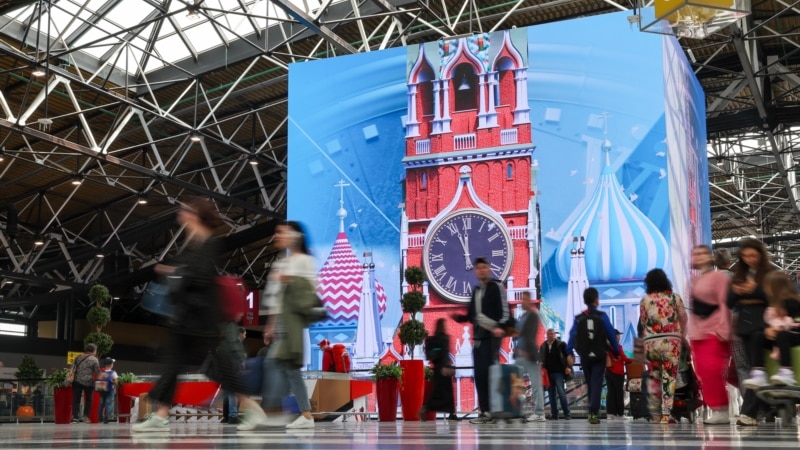
On the airports, Shumanov noted that Rostov's Platov airport is already closed because of the war, making Mineralnye Vody effectively one of the main hubs in the North Caucasus. He said EU sanctions bar European companies and residents from doing business with a listed airport, covering financial institutions, equipment suppliers, consultants and IT providers, and that risks rise for anyone interacting with such an airport, since EU sanctions often precede similar U.S. measures. He pointed out that the list also includes Sheremetyevo, which is far larger and more significant for Russia.
Shumanov said carriers such as Flydubai, which flies to Mineralnye Vody, would likely find it simpler to withdraw than to manage compliance risk, though the route matters more for Uzbekistan Airways, which also serves the airport. He said the EU is essentially sealing gaps in Russia's logistics system, and that the listings specify the airports' role in supporting operations tied to the war in Ukraine. He expects users to see fewer flights and reduced safety, as the airports lose access to software and technology and are forced toward costlier or lower-quality alternatives.
Caspian port and the Iran route
The list also includes the Caspian port of Olya, which the New York Times has previously reported is used for trade with Iran, including the supply of drone components. Shumanov said the port was not previously invisible to sanctions risk but that the EU has now chosen to scrutinize this channel, limiting Iran's options while raising Russia's costs. He described it as a route for logistics from Iran to Russia tied to drones, missiles and other components used in the war, adding that vessels using it often sail without their transponders switched on and are difficult to monitor from a distance. He said enforcement effectiveness would likely be low given how important the Caspian corridor is to both Russia and Iran, but called it a relevant tool for closing remaining gaps.
First crewing company sanctioned
Sanctions were also placed on the Novorossiysk-based crewing company Aquamarine Ship Management, which helps recruit sailors. Shumanov called it, to his knowledge, the first crewing company listed in this context, saying earlier sanctions had targeted sellers, vessels or intermediaries but not the personnel side of the shadow fleet. He said the justification centers on the company supplying people to vessels engaged in the dangerous practice of transporting oil without proper insurance, without AIS signals switched on, and with opaque ownership structures. He called it a bottleneck for the shadow fleet, since the pool of firms worldwide that recruit crews is small, and predicted other such firms may now think twice, potentially creating a segregated class of intermediaries, crewing companies and insurers that serve only the shadow fleet.
Defense-linked industrial firms
Asked why companies such as Volgograd's Krasny Oktyabr, Stavropol's Elektroavtomatika and the aluminum plant in Rostov's Belaya Kalitva have long served Russia's state defense order but are only now appearing on EU lists, Shumanov said listing requires legal proof that a company supplies equipment to Russia's armed forces, tracing the chain of interaction, the source of goods and payment. He said aluminum profiles supplied by such a company only became a valid basis for listing once it was established that defense enterprises already under sanctions had received more than $168 million worth of its products.
He said Krasny Oktyabr, a producer of special steel, and Elektroavtomatika, shown to be a contractor on Defense Ministry contracts, are subject to similar detailed dossiers, with each listing built on a specific investigation rather than assumption. He added that some cases also require political consensus when third jurisdictions are involved, to avoid damaging relations with other countries, though this is less of an issue for Russian legal entities.
What comes next
Looking ahead, Shumanov said future EU sanctions packages are likely to expand what he called a growing "list of death" of executives and owners of major Russian companies across entire sectors linked to the military-industrial complex or state revenue. He expects further sanctions on shadow-fleet infrastructure, including oil refining, transshipment, insurers, bunkering companies, crewing firms and specific ports, as well as expanded action against crypto intermediaries and alternative payment channels operating across multiple jurisdictions such as Dubai. He noted the current list already includes an oil refinery in Georgia, along with companies in China, Hong Kong, India, Turkey and the United Arab Emirates, illustrating that geography is no longer a limiting factor. He also expects deeper scrutiny of supply chains for steel, bolts and aluminum used in missile and drone production, saying any company involved anywhere in a defense-industrial supply chain risks being listed. Shumanov said sanctions criteria are also being tightened to close legal loopholes that have allowed some businessmen to contest their listings in court. He described the overall package as a deliberate system aimed at the most painful points of the Russian economy rather than a final sweep, with each listed entity backed by a legally sound justification.