


Brent crude oil surged past $107 a barrel, rising more than 2.3%, driving up fuel and electricity costs for Spanish households, according to an analysis on the radio programme La Linterna, hosted by Ángel Expósito on the Spanish network COPE.
La Linterna is a nightly current affairs programme, and the segment in which the analysis aired, Clases de Economía, regularly examines economic issues affecting Spanish households.
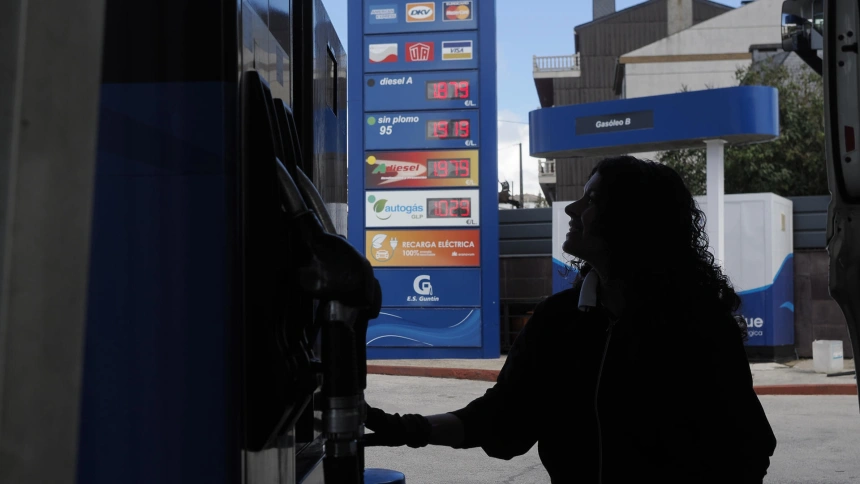
Pilar García de la Granja, economic analyst and director of the COPE programme Mediodía COPE, said oil prices were most likely to settle between $95 and $120 a barrel over the coming months. She said that if that level persists, it could push inflation above 5% should gas prices also continue rising.
Tax burden and fuel discounts
García de la Granja said taxes make up 50% of the cost of a litre of petrol. She also explained why government aid has not fully reached the pump, noting that some petrol stations were unable to apply a 20-cent discount on diesel because they still held stock bought before the earlier rise in crude prices.
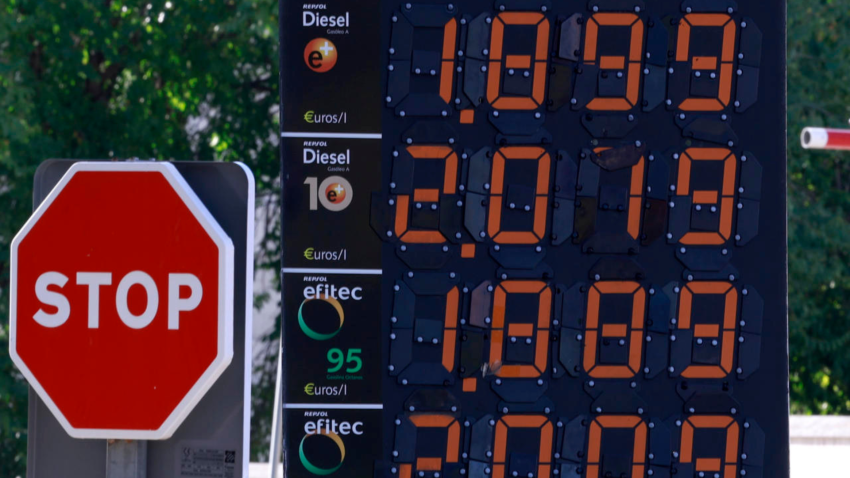

Marta Ruiz, COPE's head of economic news, said the government's fuel discount has already been absorbed by the market. She said diesel prices have risen 20% in just two weeks, with a litre now averaging €1.86, while petrol has climbed to an average of €1.82 a litre.
Nacho Rabadán, spokesman for the fuel retailers' association CEEES, made a similar point. He said that when flat discounts or bonuses are approved, there is a risk that within about two weeks the market will more than offset the saving.
Diesel prices and calls for tax cuts
Numerous petrol stations are now charging more than €2 a litre, adding around €20 to the cost of filling a tank compared with a year earlier. Industry associations are calling for the government to cut fuel taxation to a 10% VAT rate, as forecasts point to a further, notable rise in diesel prices in the coming weeks.
García de la Granja called on the government to focus on the part of the price it can influence. She said officials cannot control the international price of oil or dictate policy to Iran or the United States, but they can act on the tax portion of fuel prices, which she said is what fuel retailers themselves are asking for. The call comes as some drivers have started applying for direct fuel aid to cut their running costs.
The rocket and feather effect
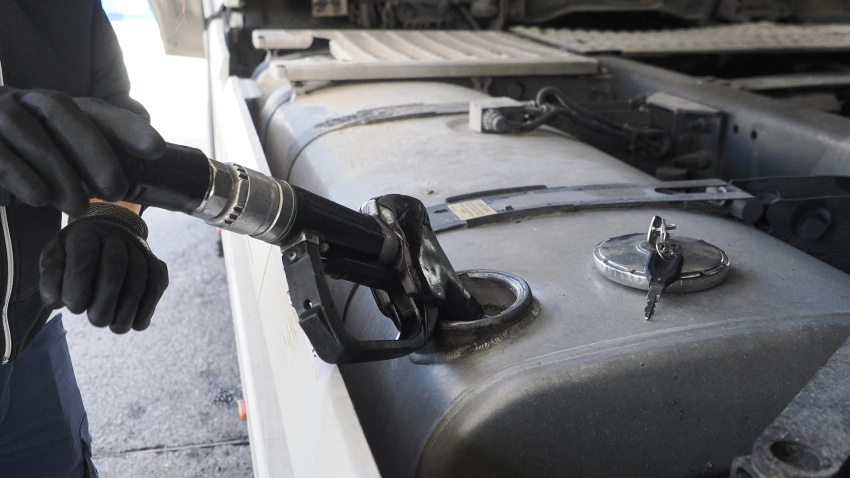
The way crude costs pass through to pump prices follows what is known as the rocket and feather effect, under which stations pass on international price rises immediately but lower prices only slowly and gradually. Rising freight and distribution costs add to the pressure, feeding into a logistics cycle that also pushes up the price of consumer goods and the weekly shopping basket.

Economist José María Camarero said diesel will rise to €2.30 a litre on 1 October, when measures from the government's latest anti-crisis plan expire. He added that he did not expect the government to take further action.
Electricity market pressure
Energy expert Roberto Cavero and analyst Raymond Torres warned of a direct knock-on effect on electricity bills. The wholesale electricity market has reached its highest price of the year, at €177.44 per megawatt hour. Cavero said this makes electricity more expensive when combined-cycle gas plants are brought online, adding pressure on gas heating costs heading into autumn, and pointed to a difficult few weeks ahead for household budgets.
Under the marginal pricing system run by grid operator OMIE, combined-cycle plants that burn natural gas above €80 per megawatt hour set the price for all electricity generation, because their costs are indexed to oil. Given Spain's heavy reliance on imported energy, a 10% rise in crude prices raises overall inflation by 0.27%, according to the analysis. Experts cited in the programme estimated the price pressure would persist until 2027, with electricity costs settling at around €120 per megawatt hour.


