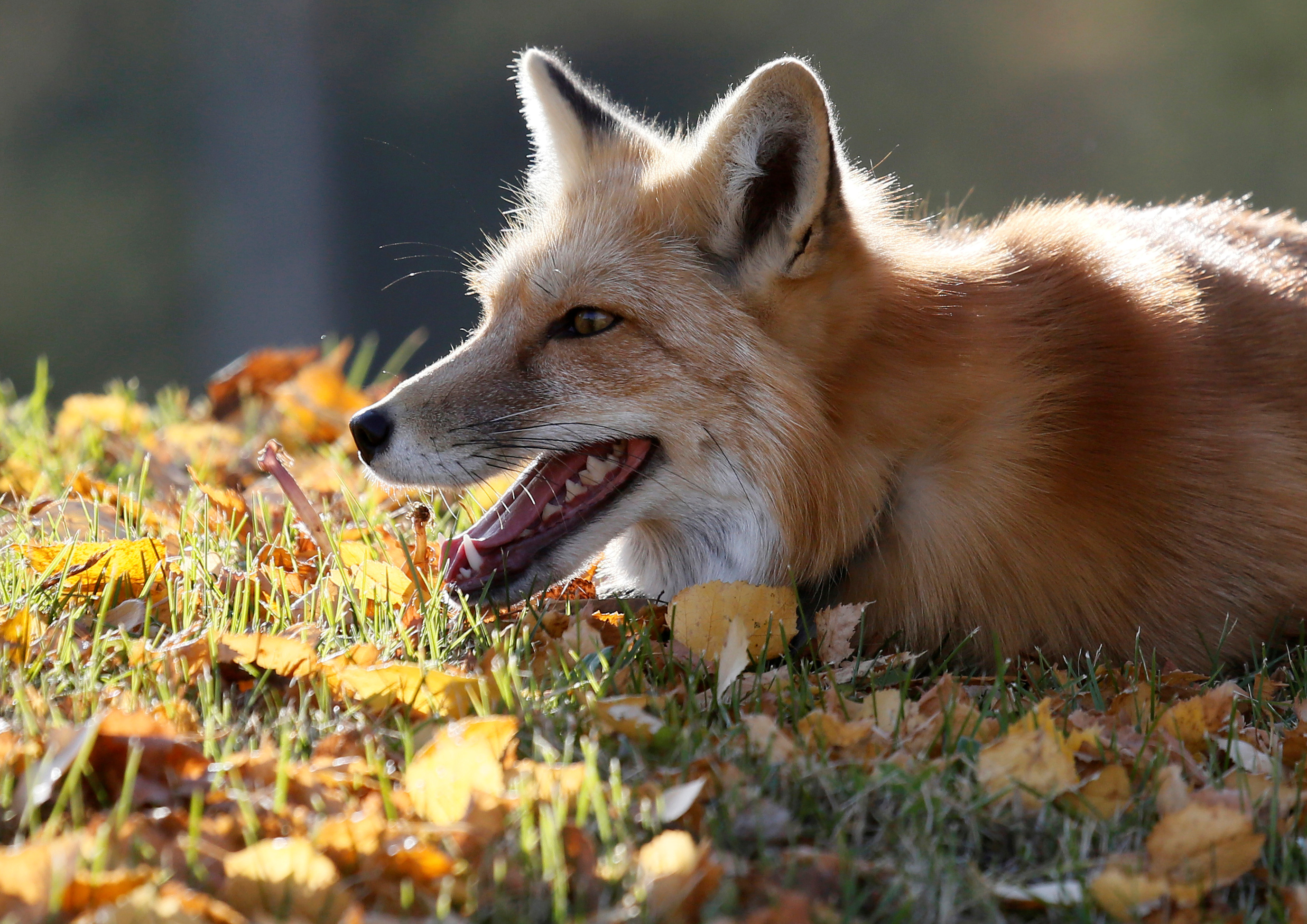
Foxes venturing toward people in and around Moscow may be carrying dangerous diseases, a biologist has warned, as sightings of the animals in the capital grow more frequent.
Biologist Pavel Glazkov told the Telegram channel Ostorozhno, Moskva that wild foxes have been spotted in Yauza Park and in residential areas including Butovo Park, Pushkino and Shcherbinka. He said the fox population had grown by almost 40 percent due to a lack of natural population controls and feeding by residents.
Glazkov said a hunting ban inside Moscow allowed foxes to breed unchecked, and that animals were also moving in from the surrounding Moscow region. He noted that foxes had filled the niche previously occupied by stray dogs.
He warned that foxes can carry rabies and ringworm, and that signs of infection include poor coordination, unusual behaviour and heavy salivation. Experts advise people not to approach or feed foxes, as such symptoms appear only at late stages of illness.
In a separate incident, a fox attacked a dog belonging to a 49-year-old man during a walk in the Odintsovo district. When the man tried to intervene, the fox bit his right hand and severed a finger bone. He was hospitalised and received medical treatment.