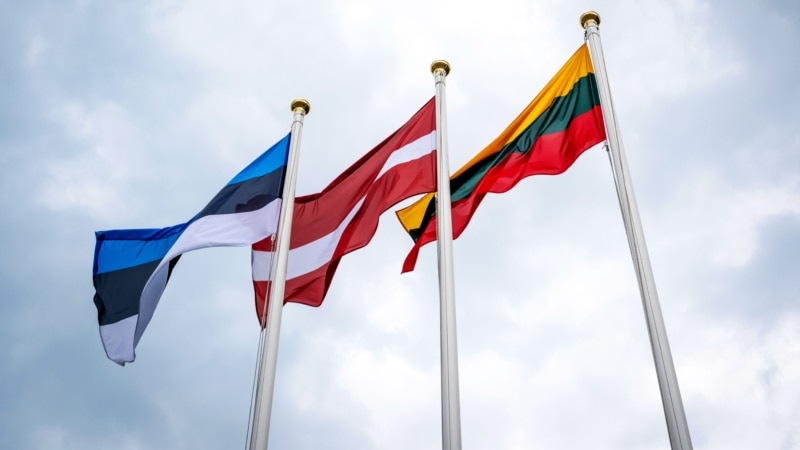
European commissioners from Estonia, Latvia, and Lithuania have warned of worsening security near Russia, as intelligence indicates potential Russian incursions this autumn.
In a joint letter dated July 30 sent to European Commission President Ursula von der Leyen, the officials highlighted a deteriorating security environment marked by an increasing frequency of airspace violations and drone incursions across the region.
The document was signed by Baltic European Commissioners Kaja Kallas, Andrius Kubilius, and Valdis Dombrovskis, alongside Polish and Finnish European Commissioners, following earlier warnings from Estonian leadership regarding growing drone threats.

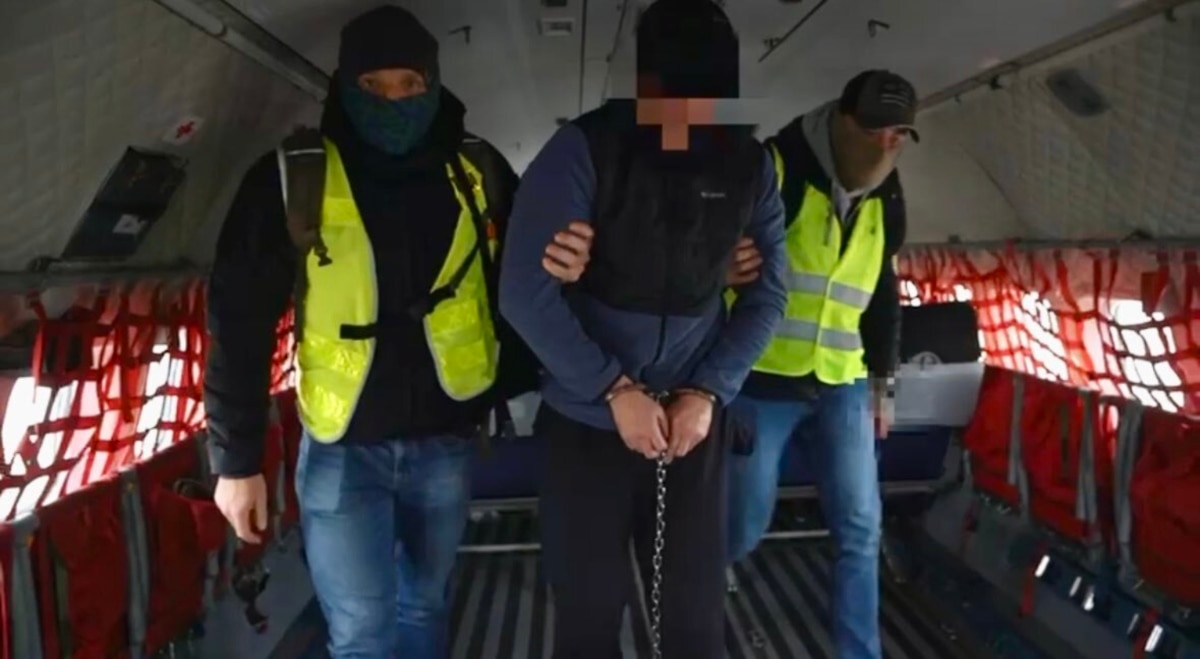
The letter forms part of a broader series of security warnings issued over the summer, culminating in an unannounced visit by Central Intelligence Agency Director John Ratcliffe to Moscow on August 25. Sources informed about the trip confirmed to Radio Free Europe that Ratcliffe flew to the Russian capital to urge Kremlin officials against escalating tensions with United States allies, primarily Estonia, Latvia, and Lithuania.
Intelligence reports published by The Wall Street Journal on August 6 indicated that Russia could test NATO resolve through a limited invasion as early as this autumn. Baltic diplomats speaking anonymously to Radio Free Europe confirmed receiving additional intelligence over the summer regarding potential Russian false-flag operations, though they observed no signs of an imminent conventional military attack.
Diplomats emphasized that covert operations might extend beyond the Baltic nations, pointing to recent cases of suspected Russian involvement in assassinations, arson, and drone incursions across several NATO member states, including Germany, Poland, and Slovakia.
Financial Support and High Tech Defense
On paper, Estonia, Latvia, and Lithuania appear well prepared to counter potential Russian aggression. All three Baltic nations have reached or will soon meet the target established by NATO to allocate 5 percent of gross domestic product to defense spending by 2035. Additionally, the European Union has promised and already begun channeling approximately 14 billion dollars into defense and security investments across the region.
Beyond conventional military preparations, the Baltic states are expanding their defense capabilities through advanced technology, particularly in Estonia. Estonian company DefSecIntel Solutions has developed artificial intelligence software that processes captured imagery and consolidates all operational data onto a single monitor.
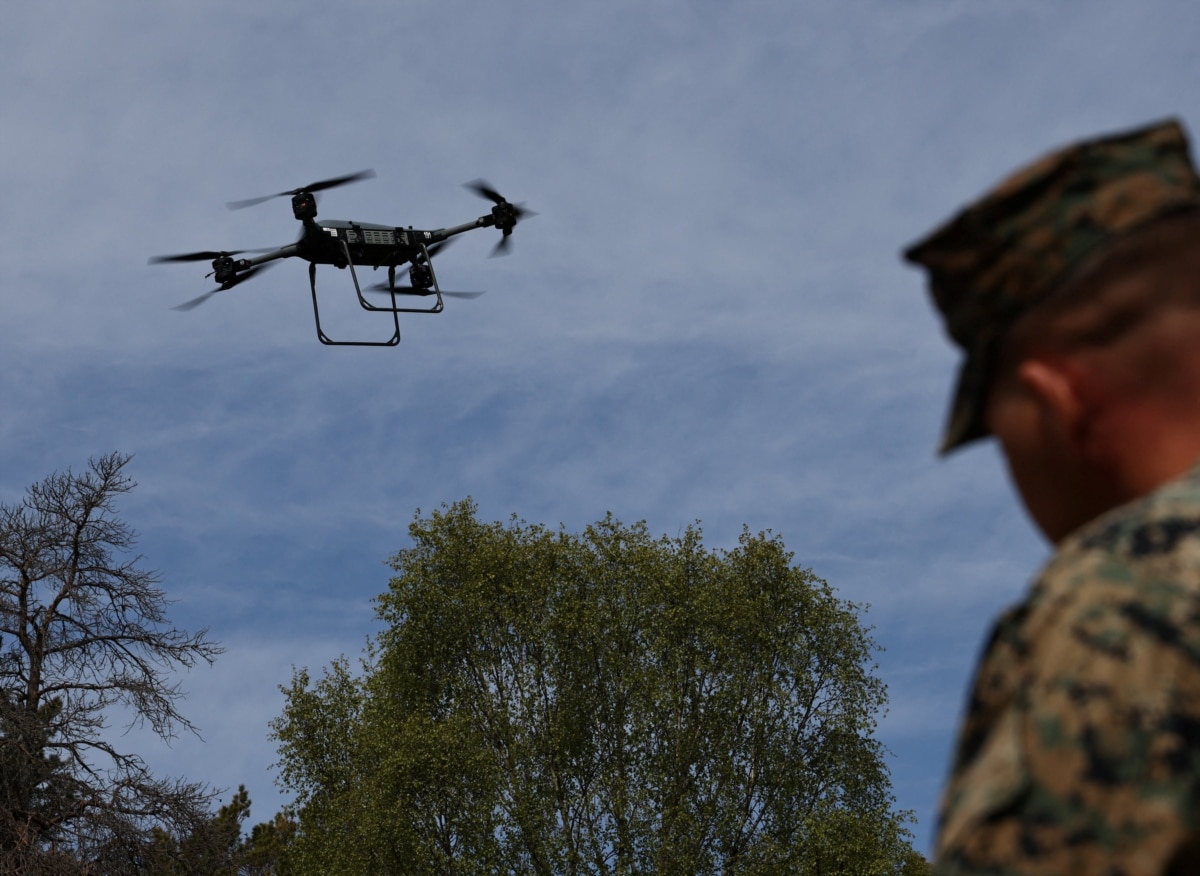
DefSecIntel Solutions Vice President Jaan Hein told Current Time that the company made the decision to support Ukrainian forces and had been present on the front lines alongside them since the autumn of 2022. Hein explained that deploying their technology in Ukraine provided a significant operational boost and noted that the company's product is now used to secure borders in Estonia and roughly a dozen other countries.
Another Estonian startup, Wayren, developed specialized software installed on smartphones, tablets, and battlefield devices to protect data exchanges from external interference. Wayren co-founder Henry Harm told Current Time that as a small country with limited heavy industry, Estonia focuses on smart, innovative technologies that integrate into larger platforms like tanks or warships to provide military forces with a tactical advantage.
Despite these technological advancements, regional defense funding faces prospective constraints. Initial negotiations for the upcoming seven-year European Union budget opened with a European Commission proposal to allocate 145 billion dollars for security and defense investments. However, net donor nations, led by Germany as the largest contributor, have signaled a desire for a reduced overall European Union budget. European Union officials express concern that defense funding could be reduced during negotiations, a worry highlighted in the leaked letter.
Border Infrastructure and Stockpiles
To counter funding uncertainties, the July 30 letter urged European Union leadership to direct approximately 115 billion dollars toward strengthening the business environment and public confidence in frontline states. The authors noted that Russian drone activity and related security incidents were already damaging local investment and public trust.
Proposed measures in the document include establishing rapid response mechanisms for energy supply disruptions and threats to critical electricity and gas infrastructure. The commissioners also requested regional stockpiles of essential commodities, civil defense resources, emergency shelters, and evacuation infrastructure, alongside enhanced capabilities to counter hybrid, cyber, sabotage, electronic, and information threats.
The signatories included a symbolic proposal calling for the entire European Commission to pay an urgent visit to a frontline nation this autumn to demonstrate solidarity as threats against the Baltic region escalate.
Meanwhile, previously publicized defense concepts such as a proposed eastern flank drone wall have stalled. The plan, widely discussed last year, aimed to line the eastern border of the European Union with specialized sensors and defense equipment to detect and shoot down hostile unmanned aircraft.
A Baltic official told Radio Free Europe that proposing a drone wall was far simpler than constructing one, adding that no nation, including Ukraine, currently possessed such an operational system. The initiative faces technical, financial, and legal obstacles, including incomplete development of radars and sensors, unclear funding sources, and ongoing debates over whether command structures should be automated or human-controlled.
Railway Upgrades and Suwalki Corridor
Defense logistical planning has also been hampered by delays to Rail Baltica, a major railway infrastructure project launched in 2015 to integrate the Baltic nations into the broader European rail network. Railway lines in Estonia, Latvia, and Lithuania currently operate primarily on Soviet-standard track gauges.
The original target to open the railway line this year was abandoned, and the revised 2030 deadline is increasingly questioned due to rising costs, initial design flaws, and administrative disagreements within and between participating countries. Project management currently aims to complete the initial operational phase by 2030.
Military strategists view Rail Baltica as a critical corridor for military mobility, enabling rapid deployment of NATO troops and heavy equipment to defend the region while mitigating vulnerabilities surrounding the Suwalki Corridor. The narrow land passage connects Poland and Lithuania between Belarus and the Russian exclave of Kaliningrad, making it a primary target for Russian forces in any conflict with NATO.
To reinforce defenses near the corridor, Lithuania enacted legislation this year authorizing the construction of a military training facility near the border village of Kapciamiestis. Preparatory work has commenced at the site, which will accommodate up to 4,000 Lithuanian soldiers and NATO allies.
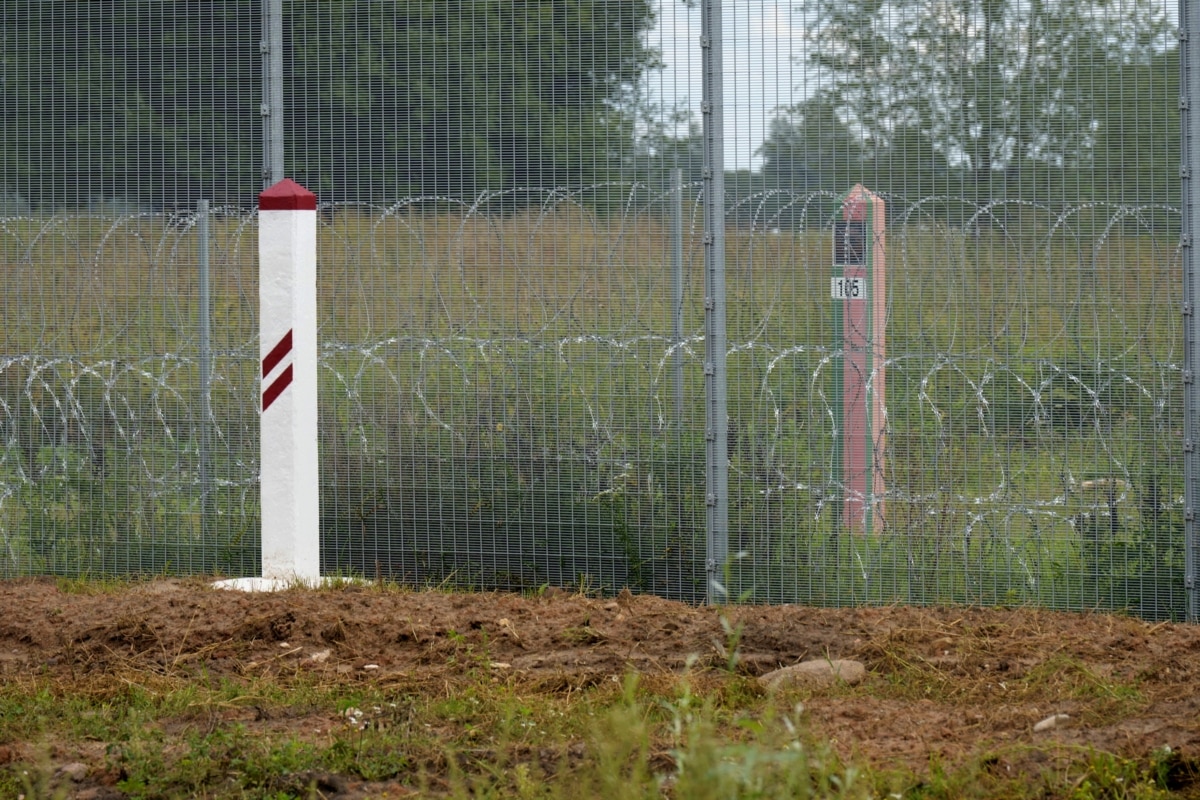
The training site complements Germany's 45th Armored Brigade deployed directly north of the corridor, as well as a United States-led multinational NATO battle group stationed just south in Poland. In addition, border fences and ditches have been constructed along the borders of Latvia, Lithuania, and Poland with Belarus to deter military incursions and state-sponsored migrant crossings, which officials accuse Belarus and Russia of facilitating since 2021.
However, local military experts have questioned the focus of these physical installations. Former commander of the Lithuanian Armed Forces Valdas Tutkus expressed skepticism during an interview with Current Time, stating that purchasing a thousand trucks and constructing static defense lines failed to account for how modern warfare would be conducted without primary reliance on tanks.
Tutkus added that while the ministry of defense asked the public to trust that the Kapciamiestis training ground was necessary, officials had failed to provide clear arguments explaining its strategic rationale.