


Shepherd Acácio Fernandes guided his flock of sheep on Sunday to complete the 2026 Grande Rota da Transumância in Celorico da Beira, Portugal.
The 23-year-old shepherd led walking participants across approximately six kilometres of mountain trails, travelling between the historic village of Linhares da Beira and the parish of Carrapichana on 25 October.
The trek formed the tenth and final stage of the annual event, titled Caminho da Feira, and concluded at the grounds of the Festival do Borrego Serra da Estrela DOP.
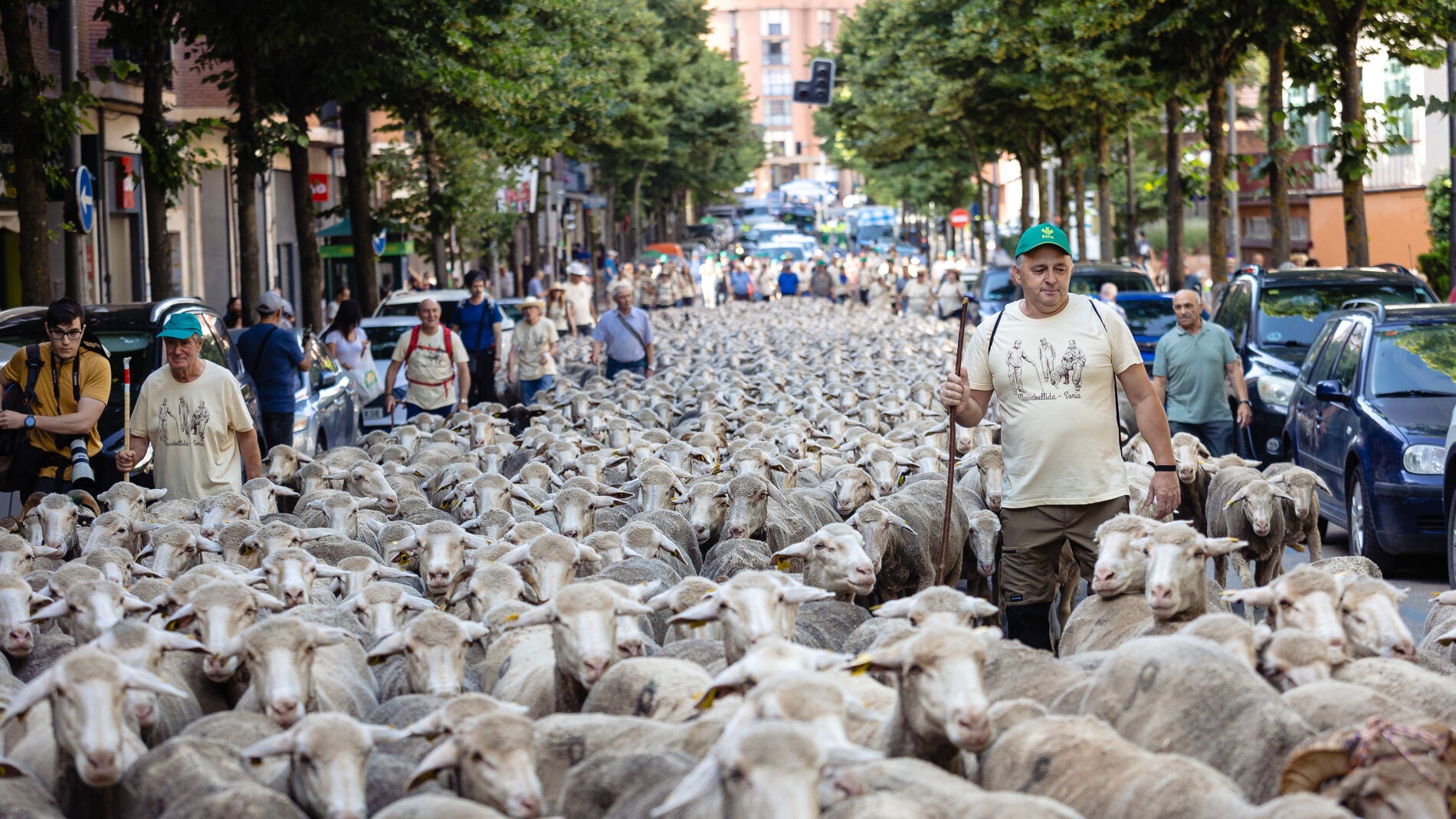
Final stage along the Caminho da Feira
The day began in Linhares da Beira with a guided heritage tour. Participants explored the historic settlement and learned about its architectural and cultural background before beginning their descent toward Carrapichana.
Hikers then met Fernandes and his flock to start the journey down the mountainside. The group followed rural roads, unpaved tracks, and footpaths that descend through the countryside of Celorico da Beira.
According to Portuguese regional broadcaster Beira Alta TV, reporting through the SAPO news portal, the event was organised to bring together local heritage, natural landscape, and rural livestock farming traditions.
Youngest shepherd on the mountain route
Fernandes was highlighted by Portuguese media as the youngest shepherd to lead a flock along the Grande Rota da Transumância. He chose to enter pastoral farming at the age of 21, taking up an occupation that few people of his generation pursue.
Beira Alta TV described Fernandes as a symbol of hope for the survival of mountain herding. Broadcasters noted that his decision to work in the sector helps protect ancestral knowledge and ensures the continuity of traditional grazing practices.
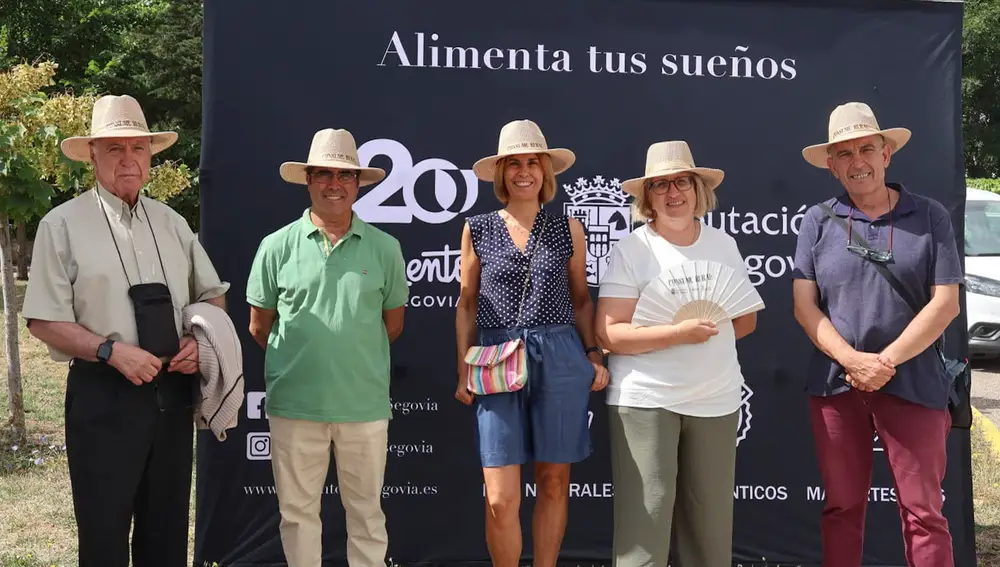
Reviving historic cattle trading trails
The six-kilometre stage followed the Caminho da Feira, an old route once used regularly by rural communities to travel to the Carrapichana livestock market. The trail allowed farming families to move animals across the valley for trade.
The destination maintained a direct connection to that commercial history. The Festival do Borrego Serra da Estrela DOP is held on the exact site that once housed the historic cattle and livestock market.
The arrival of Fernandes, his sheep, and the walking participants at the festival enclosure marked the official conclusion of the 2026 route. Organisers used the final leg to celebrate the relationship between active shepherds, working animals, and the rural communities that sustain them.
Pastoral traditions in the Serra da Estrela
Transhumance is the seasonal movement of livestock between summer pastures in high mountain areas and lower valleys during winter. Across the Iberian Peninsula, shepherds have followed established drovers roads for centuries to find fresh grazing for their flocks.
The Serra da Estrela range is mainland Portugal's highest mountain system and the historical heart of the country's sheep farming industry. Local flocks, including indigenous Bordaleira Serra da Estrela and Churra Mondegueira breeds, produce the milk used for Serra da Estrela cheese as well as certified lamb.
The Festival do Borrego Serra da Estrela DOP celebrates lamb with a Protected Designation of Origin, an official European Union quality label that links the product to regional grazing methods and local feed.
Rural areas across southern Europe face growing challenges from rural depopulation, an aging agricultural workforce, and the decline of traditional mountain farming. Initiatives like the Grande Rota da Transumância aim to preserve historic drovers routes and raise public awareness of the essential role shepherds play in maintaining regional ecosystems.